
Companion Plants
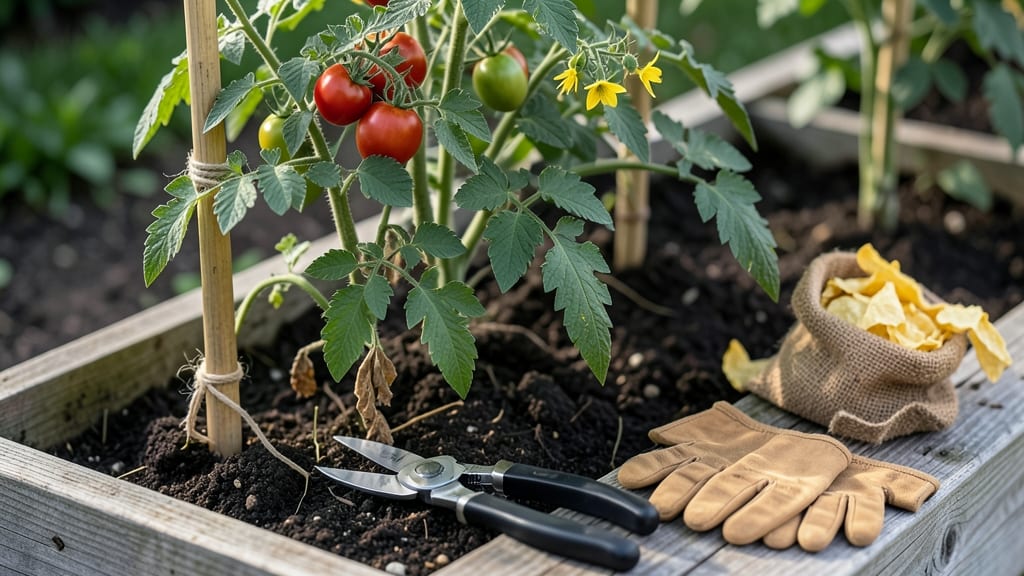
Removing lower leaves from tomato plants at the right time saves your harvest from disease and boosts fruit production—here's exactly when to do it. 🌱 I used to skip this step until I noticed my plants struggling with blight every summer.
The key is waiting until the plant reaches 18-24 inches tall and has at least 4-5 sets of leaves before touching anything. This isn't about making your plant look neat—it's about airflow and sunlight. Those lower leaves block air circulation, trapping moisture where fungal diseases like early blight thrive.
By removing them, you're letting light reach the fruit and keeping the plant's energy focused on producing tomatoes instead of maintaining unnecessary foliage. Just be careful not to go overboard—never remove more than one-third of the plant's leaves at once.
You'll know you're doing it right when you see sturdier stems and healthier fruit developing. The plants will look more open, and you'll notice fewer yellowing leaves. If done correctly, you'll see a 20-30% increase in fruit set compared to unpruned plants.
Just avoid pruning during hot afternoons or when the plant is under stress—wait for cool, cloudy days. The best time of year to start is late spring to early summer, right before flowering.
If you're in a warm climate, you might begin as early as April, while cooler zones should wait until May or June. And remember—never prune during wet weather, as this increases the risk of infection.
A little patience here pays off with a bigger, healthier harvest later.
📚 In This Guide
- What you need
- Instructions
- Tips and common mistakes
- Wrapping up and next steps
What you need
- ● Pruning shears or sharp scissors: Clean, sterilized tools (rubbing alcohol or bleach wipe) to avoid disease spread. Size: Small-handled for precision.
- ○ Gloves (optional but recommended): Nitrile or leather gloves to protect hands from thorns and sap.
- ● Disinfectant (e.g., 10% bleach solution or hydrogen peroxide): 1 cup bleach per gallon of water for sterilizing tools between cuts.
- ● Trash bag or compost bin: For disposing of pruned leaves (avoid composting diseased foliage).
- ● Garden twine or plant ties: To support stems if heavy pruning is done (1–2 rolls, 10–15 ft each).
- ● Mulch (straw, grass clippings, or shredded leaves): 2–3 inches thick to cover soil post-pruning and retain moisture.
- ● Fungicide (copper-based or neem oil): Spray lightly on cuts if plants show signs of blight or stress (follow label instructions).
- ● Notebook or app (e.g., Gardenate): To track pruning dates and plant progress.
Step-by-step guide to pruning lower tomato leaves
Here's the precise timing and technique I use to remove lower leaves without stressing plants.
🌿 Step 1: Wait Until Plants Reach 12-18 Inches Tall
Never prune lower leaves until the plant has developed at least 4-6 true leaves and stands 12-18 inches tall. This ensures the plant has built enough energy reserves to support new growth after pruning. You'll know it's ready when the main stem is sturdy and the first flower clusters appear near the top.
I wait until mid-morning when leaves are dry to avoid introducing fungal spores through wet foliage. The plant should also have strong roots—gently tug on the base to confirm stability. If it resists, it's ready for pruning.
✂️ Step 2: Remove Leaves Below the First Flower Cluster
Use clean, sharp pruners to snip leaves below the first flower cluster, typically 12-18 inches from the ground. This prevents disease from touching the soil and directs energy to fruit production. I remove one leaf at a time, working upward as the plant grows.
Never remove more than one-third of the foliage at once—this stresses the plant. Watch for new suckers (side shoots) forming in the leaf axils; these should be pruned immediately to prevent competition. The goal is to leave 3-4 leaves above each fruit cluster to maintain photosynthesis.
💧 Step 3: Monitor for Stress and Adjust Pruning
After pruning, water deeply to help the plant recover. You'll notice slower growth for 3-5 days as the plant redirects energy. If leaves yellow or wilt excessively, you've pruned too aggressively—stop immediately and let the plant recover.
Continue pruning every 7-10 days as the plant grows, always keeping the lowest leaves above the first fruit cluster. This prevents soil-borne diseases like early blight from splashing onto the fruit. By mid-summer, your plant should have a clean stem with only leaves supporting active fruit.
☀️ Step 4: Increase Airflow and Sun Exposure
Pruning lower leaves improves airflow and reduces humidity around the plant, which prevents fungal diseases. You'll see brighter green leaves above the pruned area as sunlight reaches previously shaded foliage. This also speeds up ripening by focusing energy on the fruit.
If your tomatoes are ripening unevenly, prune any leaves shading fruit clusters. The top 6-8 leaves should remain to support photosynthesis, while the rest can be removed to improve air circulation. This is especially critical in humid climates where fungal diseases thrive.
Tips & tricks for pruning tomato plants without stressing growth
Here's what nobody tells you about pruning tomato leaves that'll make all the difference in your harvest.
Timing Secret: The 12-18 inch height guideline isn't just about size—it's about the plant's readiness to handle stress. Look for 4-6 true leaves and check for flower clusters near the top before pruning. I've seen gardeners rush this step and end up with stunted plants that never recover. The mid-morning timing is equally critical: wet leaves harbor fungal spores, and pruning then can introduce diseases like early blight right at the plant's most vulnerable point.
Pruning Precision: When removing leaves below the first flower cluster, aim for clean cuts just above the leaf stem. This prevents tearing that can damage the plant's vascular system. I always work my way upward as the plant grows—never remove more than one-third of the foliage at once. That one-third rule is non-negotiable: I learned this the hard way after watching a tomato plant I'd over-pruned give up completely. Leave those 3-4 leaves above each fruit cluster to maintain photosynthesis while still improving airflow.
Sucker Management: Those little side shoots (suckers) forming in the leaf axils are sneaky little energy vampires. They compete with your main plant for nutrients that should go to fruit production. I make it a habit to remove suckers immediately with my fingers—no need for pruners. This might seem tedious, but it's worth the extra 5 minutes every 7-10 days. The payoff comes when you see those tomatoes ripening faster and more uniformly.
Recovery Strategy: After pruning, that 3-5 day slowdown isn't a sign of failure—it's the plant redirecting energy. Watch for leaves that yellow or wilt excessively, and if you see this, you've pruned too aggressively. The deep watering afterward isn't just about hydration; it helps the plant establish new root growth to support the upcoming fruit load. In humid climates, I even add a light mulch around the base to prevent soil-borne diseases from taking advantage of the plant's weakened state.
Pro Tips for When To Remove Lower Leaves From Tomato Plants
- Here's what nobody tells you about pruning tomato leaves that'll make all the difference in your harvest.
- Timing Secret: The 12-18 inch height guideline isn't just about size—it's about the plant's readiness to handle stress.
- Pruning Precision: When removing leaves below the first flower cluster, aim for clean cuts just above the leaf stem.
Frequently asked questions
about removing lower leaves from tomato plants can help clarify best practices and troubleshoot common challenges. Here are answers to the most pressing questions:When is the best time of day to remove lower leaves?
Remove lower leaves in the early morning when the plant is turgid (full of water) and temperatures are cooler. This reduces stress on the plant and minimizes disease entry points. Avoid pruning in the heat of the day or when the foliage is wet.
How often should I remove lower leaves?
Prune lower leaves weekly or biweekly as the plant grows, focusing on leaves touching the soil or below the first flower cluster. Over-pruning isn’t necessary—just keep the plant’s energy directed upward. Aim for a balance between airflow and photosynthesis.
What if I don’t remove lower leaves? Will my tomatoes still grow?
Yes, but yield and quality may suffer. Unpruned lower leaves can harbor pests/diseases, block sunlight, and increase humidity near the soil. While tomatoes will still grow, pruning improves air circulation, fruit size, and overall plant health—worth the effort!
Can I use scissors or should I pinch leaves off by hand?
Both work, but clean pruning shears or sharp scissors are best for larger stems to avoid tearing. Pinching small leaves by hand is fine for precision. Disinfect tools with rubbing alcohol between cuts to prevent spreading disease.
What if it rains right after I prune?
No need to panic! Just ensure cuts are small and clean (not jagged). Rain can introduce pathogens, so avoid pruning during wet weather. If it rains soon after, monitor the plant for signs of stress or disease and keep the area dry with mulch.
Should I remove suckers or lower leaves first?
Prioritize lower leaves first, especially those touching the ground. Suckers (side shoots) can be removed after the main stem is established (usually 12+ inches tall). Focus on airflow and sunlight—lower leaves are the bigger priority for disease prevention.
Wrapping up and next steps
Removing lower leaves from your tomato plants isn’t just about tidiness—it’s a game-changer for healthier vines, better fruit production, and fewer pests. By focusing on timing (early growth stage or when leaves touch the soil) and technique (sterilized tools, gentle pruning), you’ll set your plants up for success.
Don’t let hesitation hold you back—your garden (and future sauces!) will thank you.
Ready to take action? Grab your pruners and start pruning! 🌱 For extra tips, check out our guide on companion plants that boost tomato health—your next harvest could be the best yet!