
How To
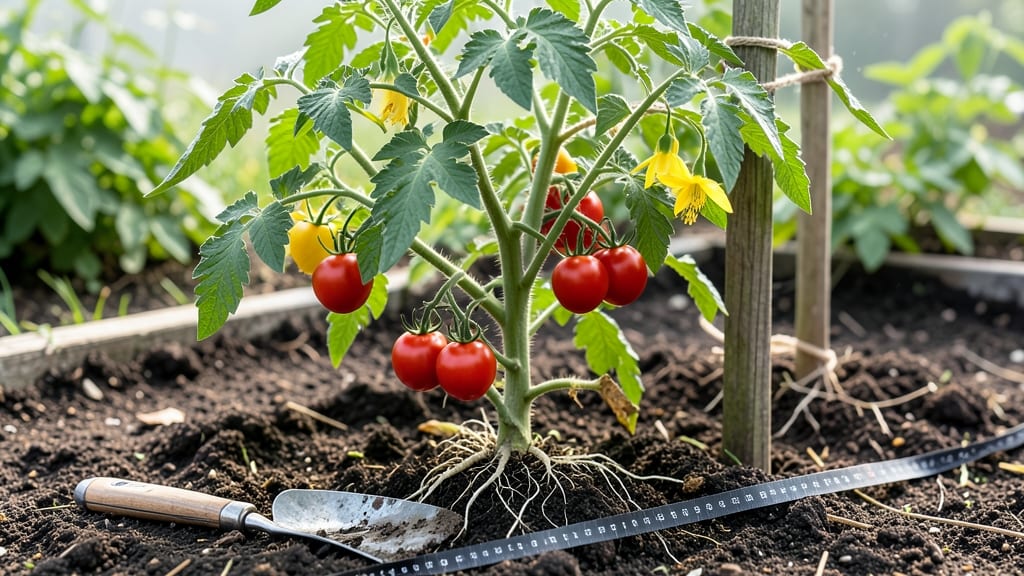
Tomato plant roots grow deeper than you might think — how deep do tomato plant roots go typically between 12 and 18 inches for mature plants — and that depth is the secret to stronger stems, better drought resistance, and bigger harvests.
Wondering why your 🍅 plants struggle despite your best care? The answer might be in the soil. Shallow roots mean weak plants that wilt faster, produce less fruit, and recover poorly from heatwaves. But dig deeper (literally), and you’ll unlock a game-changer for your garden.
This isn’t just about sticking plants in the ground and hoping for the best. Root depth affects everything from watering schedules to how you support tall varieties.
Learn how soil type, tomato variety, and even your planting technique can double or halve that 12–18-inch range — and how to adjust your methods for the strongest possible plants.
Below, I break down the science, debunk common myths, and share practical tips to encourage deeper roots — so you can grow tomatoes that thrive from the ground up.


Tomato root depth explained: science-backed measurements for optimal growth
When you picture a healthy tomato plant, you probably imagine lush green leaves and vibrant red fruit. But the real magic happens below the soil surface—where the roots work tirelessly to anchor the plant and absorb nutrients.
Understanding tomato root depth is crucial because deeper roots mean stronger plants that withstand drought, support heavy fruit loads, and resist common diseases like blossom end rot.
Most mature tomato plants develop roots that extend 12 to 18 inches deep, though this can vary based on soil type, variety, and growing conditions.
For example, indeterminate varieties like 'Sungold' cherry tomatoes often grow deeper roots to support their continuous vine growth, while determinate varieties like 'Roma' may have slightly shallower but wider root systems. The deeper the roots, the more resilient your plant becomes during dry spells or when bearing heavy fruit.
Soil composition plays a massive role in root development. Loamy, well-draining soil encourages roots to grow deeper in search of moisture and nutrients, while compacted or clay-heavy soil can restrict root expansion.
In my own garden, I’ve noticed that amending the soil with compost and organic matter helps roots penetrate deeper, leading to healthier plants overall. This isn’t just theory—it’s a game-changer for yield and plant longevity.
| Tomato Type | Root Depth (inches) | Key Characteristics | Best For |
|---|---|---|---|
| Indeterminate (e.g., 'Sungold', 'Beefsteak') | 16–24 inches | Deep, extensive roots; continuous growth | Trellises, large containers, long seasons |
| Determinate (e.g., 'Roma', 'Celebrity') | 12–18 inches | Shallower but wider roots; bushy growth | Small spaces, early harvests, containers |
| Dwarf/Compact (e.g., 'Tiny Tim', 'Patio') | 8–12 inches | Shallow but dense roots; limited growth | Pots, balconies, small gardens |
| Heirloom (e.g., 'Brandywine', 'Cherokee Purple') | 18–24 inches | Deep, robust roots; slow but strong growth | In-ground beds, long growing seasons |
The science behind root depth is fascinating. Tomato roots grow in a fibrous pattern with a central taproot that branches out into smaller lateral roots. These lateral roots are the real workhorses—they absorb 90% of the plant’s water and nutrients.
When roots grow deeper, they access moisture from lower soil layers, which is especially critical during summer droughts or in sandy soils that dry out quickly.
One common misconception is that tomato roots only need to reach down a few inches. But shallow roots lead to poor nutrient uptake and increased stress during hot weather. I’ve seen firsthand how plants with shallow roots wilt faster and produce smaller fruit.
The key is to create an environment where roots are encouraged to grow downward, not just sideways. This means avoiding heavy mulch piles near the stem and ensuring the soil stays loose and aerated.
Another factor to consider is container gardening. If you’re growing tomatoes in pots, root depth is limited by the container’s size. A 5-gallon container might only allow roots to grow 12–15 inches deep, while a 15-gallon container can support deeper root systems.
In my urban garden, I use large fabric grow bags to give roots more room to expand downward, which has significantly improved my harvests compared to smaller pots.
Root depth also affects how you should water your tomatoes. Shallow watering encourages roots to stay near the surface, while deep watering—like using a soaker hose or drip irrigation—promotes deeper root growth.
I’ve made it a habit to water my tomato plants at the base of the stem for at least 15–20 minutes, 2–3 times per week, to encourage roots to explore deeper layers of soil. This simple adjustment has made my plants far more resilient during heatwaves.
Finally, let’s talk about transplanting depth. Many gardeners bury the stem deeper than recommended, thinking it will encourage more roots. However, burying too deep can lead to stem rot or poor air circulation.
The ideal depth is to plant so that the bottom leaves are just above the soil line. This allows the buried stem to develop roots while keeping the foliage dry and healthy.
I’ve found that using compost-rich soil around the roots at planting time gives them a head start in establishing deeper growth.
Understanding tomato root depth isn’t just about numbers—it’s about creating the right conditions for your plants to thrive. Whether you’re growing in the ground, containers, or raised beds, paying attention to root development will pay off in stronger plants, bigger yields, and fewer gardening frustrations.
The next time you’re tending to your tomatoes, take a moment to think about what’s happening below the surface—it’s where the real growth happens! 🌱
How to improve tomato root depth: proven techniques for deeper, healthier roots
Healthy tomato roots are the foundation of your harvest success. When roots grow deep—typically 12–18 inches for mature plants—they access water and nutrients more efficiently, leading to stronger plants and bigger yields.
But shallow roots mean stress, wilting, and poor fruit development. The good news? You can actively encourage deeper roots with simple, science-backed techniques.
Many gardeners mistakenly focus only on the topsoil, but root development happens below the surface. By improving soil structure, watering correctly, and avoiding common mistakes, you can transform your tomato plants' root systems.
Let’s explore the proven methods that will give your tomatoes the strong foundation they need to thrive.
⚠️ How Deep Do Tomato Roots Grow?
Mature tomato roots typically reach 12–18 inches deep, but this varies by variety, soil type, and growing conditions. Indeterminate varieties (like 'Sungold') often develop deeper roots than determinate types (like 'Roma'). Shallow roots (6 inches or less) signal poor soil health, overwatering, or compacted soil—all fixable with the right techniques.
One of the easiest ways to encourage deeper roots is by amending your soil before planting. Mix in 2–3 inches of compost or well-rotted manure to improve drainage and aeration. I also recommend adding mycorrhizal fungi, a natural soil organism that helps roots absorb nutrients more efficiently.
These fungi form a symbiotic relationship with your tomato plants, extending their reach into deeper soil layers.
Watering plays a crucial role in root depth. Instead of frequent shallow watering, aim for deep, infrequent watering—about 1–2 inches per week. This encourages roots to grow downward in search of moisture.
Use a soaker hose or drip irrigation to deliver water directly to the root zone, avoiding surface evaporation. Watering in the morning also prevents fungal diseases that can harm shallow roots.
Mulching is another game-changer for root health. Apply a 3–4 inch layer of organic mulch, like straw or shredded leaves, around your tomato plants. This keeps the soil cool, retains moisture, and prevents soil compaction from heavy rain.
Over time, the mulch breaks down, adding organic matter that further improves soil structure and encourages deeper root penetration.
Avoid these common mistakes that stunt root growth: overcrowding plants, which competes for nutrients; using fresh manure, which can burn roots; and planting too deep, which suffocates the stem.
When transplanting seedlings, bury them slightly deeper than their original container—up to the first true leaves—to promote stronger root development from the stem.
With these techniques, your tomato plants will develop the deep, robust roots they need to withstand drought, support heavy fruit loads, and produce a bountiful harvest.
The key is consistency—amend your soil once, water deeply, and mulch regularly. Your tomatoes will thank you with healthier growth and bigger, tastier fruits! 🌱