
Plants
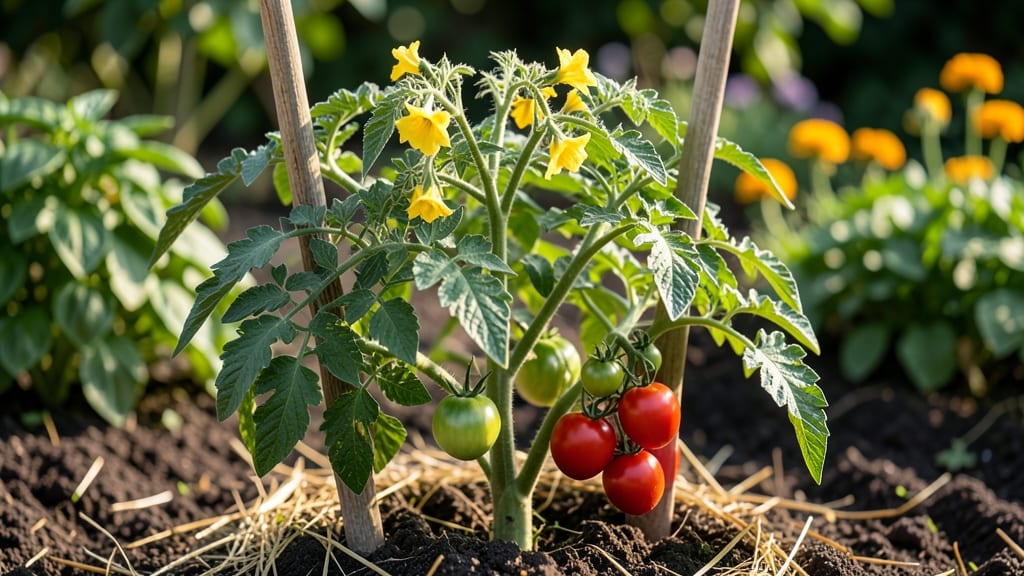
Your tomato plant health isn’t doomed by wilted leaves—just waiting for the right fix. 🌱 I’ve nursed back more struggling tomato plants than I can count, and the fixes are simpler than you’d think, from adjusting water habits to spotting hidden pests before they take over.
The real game-changer? Prevention. Most problems start with overwatering, poor air circulation, or ignoring early signs of stress. A quick check of the soil moisture, leaf undersides, and stem firmness can save your harvest before it’s too late.
By the end of this, you’ll spot the difference between a thirsty plant and one fighting blight, and your tomatoes will rebound with stronger stems, glossier leaves, and bigger yields—no chemicals needed. Works for backyard gardens, containers, and even greenhouse setups. Let’s turn those droopy leaves around!
Root Causes Of Leaf Stress
Tomato plants are resilient, but their leaves can quickly show signs of distress when underlying issues go unchecked. Understanding why your tomato plant’s leaves wilt, yellow, or develop spots is the first step to restoring its health.
Below, we break down the most common culprits—environmental, biological, and cultural factors—that trigger these problems, along with the science behind them.
Tomato plants thrive on consistency, but too much water—or waterlogged soil—can suffocate roots and lead to anaerobic conditions, where roots starve for oxygen.
This triggers: - Wilting leaves (even when soil is wet) due to root rot (Phytophthora or Pythium fungi). - Yellowing between leaf veins (chlorosis) from nutrient uptake failure. - Black, mushy stems in severe cases.
Why it happens:
- Compacted or clay-heavy soil holds excess moisture, preventing oxygen flow.
- Lack of drainage holes in containers traps water, while overzealous watering (e.g., daily in humid climates) drowns roots.
- Fungal pathogens exploit soggy conditions, blocking water and nutrient transport.
Tomatoes are drought-tolerant but not drought-proof. When soil dries out too much, plants close stomata (pores) to conserve water, leading to:
- Drooping, crispy leaves (scorched edges) from dehydration.
- Blossom-end rot (black, sunken patches on fruit) due to calcium uptake disruption.
Why it happens:
- Inconsistent watering (e.g., deep soaks followed by dry spells) stresses roots.
- High temperatures (above 90°F/32°C) increase transpiration rates, outpacing root absorption.
- Shallow root systems in young plants or container-grown tomatoes struggle to reach moisture.
Tomatoes are heavy feeders, and deficiencies show up fast. Common symptoms and their causes:
| Symptom | Likely Deficiency | Why It Happens |
|---|---|---|
| Yellow lower leaves | Nitrogen (N) | Soil depletion or poor organic matter; nitrogen fuels leaf growth. |
| Purple stems/leaves | Phosphorus (P) | Cold soil slows P uptake; phosphorus aids energy transfer in cells. |
| Weak stems, small fruit | Potassium (K) | Leaching in sandy soils or overwatering; K regulates water and disease resistance. |
| Yellow veins, brown spots | Magnesium (Mg) | Acidic soil locks out Mg; central leaf veins rely on it for chlorophyll. |
| Interveinal chlorosis | Iron (Fe) | Calcareous (alkaline) soil binds Fe, making it unavailable despite presence. |
Pro Tip: 💡 Soil tests reveal imbalances—aim for a balanced 10-10-10 or 5-10-10 NPK fertilizer with micronutrients. Epsom salt (magnesium sulfate) can fix Mg deficiencies fast.
Hidden invaders steal nutrients and clog plant systems. Key offenders:
- Aphids/Spider Mites 🕷️:
- Symptoms: Sticky honeydew, curled leaves, white webbing.
- Why it happens: These sap-suckers inject toxins, causing phyllody (flower-to-leaf transformation) and stunted growth. They thrive in dry, dusty conditions.
- Fungal Infections (Early Blight, Late Blight) 🍄:
- Symptoms: Concentric brown spots (early blight) or rapid leaf collapse (late blight).
- Why it happens: Alternaria solani (early blight) spreads via spores in humid, stagnant air; Phytophthora infestans (late blight) loves cool nights + wet foliage.
- Root-Knot Nematodes 🐛:
- Symptoms: Stunted growth, gnarled roots, wilting despite water.
- Why it happens: Microscopic worms burrow into roots, forming galls that disrupt water/nutrient flow. They survive in warm, moist soil.
Sudden changes or human error can trigger stress responses:
- Temperature Swings ❄️☀️:
- Below 50°F (10°C): Slows metabolism, causing yellowing or blackened fruit.
- Above 95°F (35°C): Proteins denature, leading to leaf scorch or blossom drop.
- Wind Or Hail Damage 🌪️:
- Torn leaves increase water loss and invite pathogens.
- Stem bruising disrupts vascular flow, mimicking nutrient deficiencies.
- Herbicide Drift Or Chemical Burn 🚫:
- Symptoms: Bleached patches, distorted growth.
- Why it happens: Glyphosate or other systemic herbicides disrupt plant hormones, even when sprayed nearby.
Tomatoes need circulation to dry leaves quickly and prevent fungal spores from lingering. Without it:
- Humidity builds, creating ideal conditions for powdery mildew (white, talcum-like coating).
- Stagnant air traps ethylene gas, accelerating senescence (premature aging) in leaves.
Why it happens:
- Overcrowded plants (too close to each other or other crops).
- Dense foliage from excessive pruning or tall varieties (e.g., indeterminate types).
- Greenhouses without ventilation or shady spots that slow evaporation.
Quick Fixes for Sick Tomatoes
When your tomato plants start looking worse for wear, don’t panic—most issues have simple, effective solutions. Below, we’ve matched common problems to practical fixes, along with prevention tips to keep your plants thriving. Whether it’s wilting, spots, or stunted growth, these steps will help you revive your tomatoes fast.
Cause: Too much water, not enough nutrients, or poor drainage. Solution:
- 🔥 Step 1: Check the Soil – Stick your finger 1–2 inches deep. If it’s soggy, your plants are drowning.
- 🍳 Step 2: Adjust Watering – Water deeply 2–3 times per week (less in rain) and never let soil stay wet. Use a moisture meter if unsure.
- 👨🍳 Step 3: Feed with Balance – Sprinkle balanced fertilizer (10-10-10) around the base (not leaves) and water it in. For organic growers, try compost tea or fish emulsion.
- ⏰ Step 4: Improve Drainage – If soil stays wet, mix in perlite or coarse sand to aerate it.
💡 Prevention Tip: Mulch with straw or grass clippings to retain moisture without overwatering.
Cause: Not enough water, extreme heat, or fungal/bacterial infections (like early blight). Solution:
- 🔥 Step 1: Water at the Roots – Give plants 1–2 inches of water per week (more in heatwaves). Use drip irrigation to avoid wetting leaves (which spreads disease).
- 🌡️ Step 2: Beat the Heat – If temps hit 90°F+, provide shade cloth (30–50%) or plant in afternoon shade.
- 🎯 Step 3: Prune for Airflow – Trim crowded leaves to improve circulation and reduce humidity (which fuels fungi).
- ✨ Step 4: Treat Fungal Issues – If wilting is paired with brown spots, spray with neem oil or copper fungicide (follow label rates).
💡 Prevention Tip: Morning watering reduces evaporation and fungal risks.
Cause: Humid conditions, wet leaves, or poor airflow. Solution:
- 🔥 Step 1: Remove Infected Parts – Snip off yellow/brown leaves with sterilized scissors and dispose of them (don’t compost!).
- 🍳 Step 2: Spray Fungicide – Use baking soda spray (1 tsp baking soda + 1 quart water + a drop of soap) or commercial fungicide like Serenade or copper soap.
- 👨🍳 Step 3: Space Plants Wider – Give tomatoes 18–24 inches apart for better airflow.
- ⏰ Step 4: Water at the Base – Avoid overhead watering; use a soaker hose instead.
💡 Prevention Tip: Rotate crops—don’t plant tomatoes in the same spot yearly to break disease cycles.
Cause: Bugs sucking sap, chewing leaves, or spreading viruses. Solution:
- 🔥 Step 1: Handpick Hornworms – Check leaves daily and drop them in soapy water.
- 🍳 Step 2: Blast Off Soft Pests – Spray aphids/whiteflies with water from a hose (strong stream) or insecticidal soap.
- 👨🍳 Step 3: Use Row Covers – For early prevention, floating row covers block pests before they arrive.
- ⏰ Step 4: Attract Predators – Plant marigolds or basil nearby to draw in ladybugs and lacewings, which eat pests.
💡 Prevention Tip: Interplant with herbs (like dill or cilantro) to repel pests naturally.
Cause: Compacted soil, root rot, or lack of nutrients. Solution: - 🔥 Step 1: Loosen the Soil – Gently fork around roots to aerate (avoid damaging them). - 🍳 Step 2: Test Soil pH – Tomatoes thrive in 6.0–6.8 pH.
Adjust with lime (to raise pH) or sulfur (to lower it). - 👨🍳 Step 3: Add Organic Matter – Mix in well-rotted compost or worm castings for slow-release nutrients. - ⏰ Step 4: Check for Root Rot – If roots smell sour or look mushy, repot in fresh, dry soil and reduce watering.
💡 Prevention Tip: Plant in raised beds for better drainage and root health.
If your tomatoes are critically wilted or diseased, act fast:
- Trim all diseased/dying foliage (sterilize tools with rubbing alcohol).
- Transplant to fresh soil (if root-bound or diseased).
- Fertilize lightly with kelp meal or fish emulsion for a quick nutrient boost.
- Shade and hydrate for 3–5 days to let them recover.
Final Tip: Keep a plant journal—note what works (and what doesn’t) for your specific climate and tomato varieties! 🌱📝
Frequently asked questions
Why do my tomato leaves turn yellow first on the lower ones?
This is usually a sign of nitrogen deficiency or natural aging. Tomatoes grow from the bottom up, so older leaves yellow as the plant redirects nutrients to new growth. Check if your soil lacks organic matter—add compost or a balanced fertilizer like 10-10-10 to revive your plant.
Can I save a tomato plant with root rot?
Early stages might be recoverable! First, stop watering and repot in fresh, well-draining soil. Trim any blackened roots with sterilized scissors, then let the plant recover in partial shade for 3-5 days before resuming light watering. Severe cases may require replacing the plant entirely.
How often should I fertilize tomato plants?
Feed every 2-3 weeks once flowering begins, but less is often better. Over-fertilizing leads to lush foliage but fewer tomatoes. Use a balanced fertilizer (like 5-10-10) or organic options such as fish emulsion. Always water thoroughly after applying to prevent root burn.
What's the best way to prevent fungal diseases like blight?
Focus on air circulation and leaf dryness. Space plants 18-24 inches apart, prune crowded foliage, and water at the base in the morning. Copper fungicide sprays or neem oil can provide extra protection during humid seasons.
Why are my tomato fruits cracking?
This happens when soil moisture fluctuates wildly—either too much water followed by drought, or inconsistent irrigation. Maintain even moisture by mulching and watering deeply 1-2 times per week. Varieties like 'Celebrity' or 'Better Boy' are less prone to cracking.