
Planting
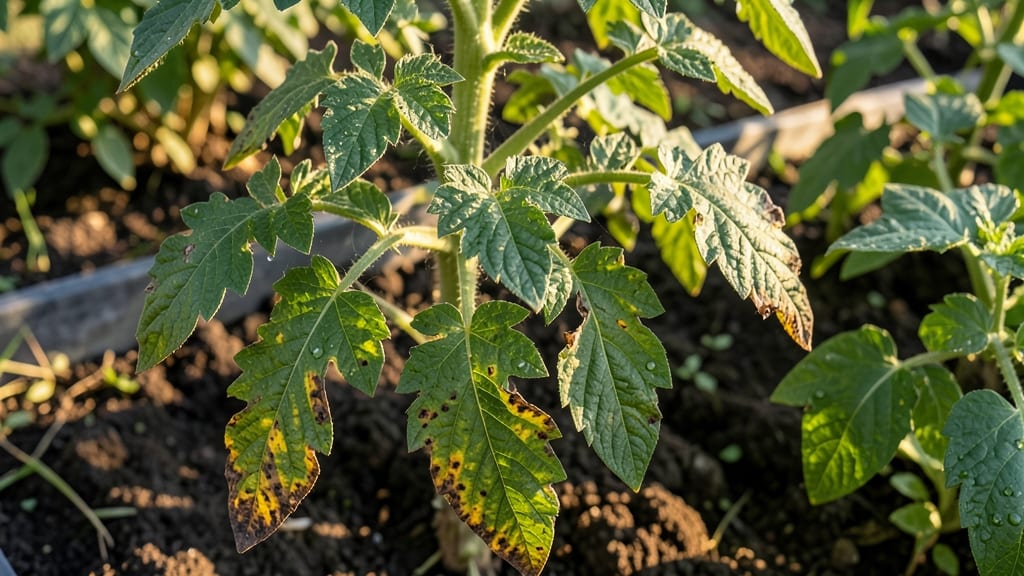
Your tomato plant’s leaves dying can feel like a death sentence—but it’s usually fixable. 🌱 I’ve saved dozens of plants from the same problem by checking just three things first: watering habits, pest pressure, and signs of disease. The key is acting fast before the issue spreads to the fruit.
Start by inspecting the leaves: yellowing edges often mean overwatering, while crispy brown spots signal underwatering or heat stress. Look for tiny holes (aphids) or sticky residue (spider mites)—pests spread faster than you’d think.
If you spot dark, sunken patches, that’s likely early blight, a common fungal issue in humid climates.
Once you’ve identified the problem, the fix is straightforward: adjust watering (deep soak once a week), prune infected leaves immediately, and apply neem oil or copper fungicide for fungal issues. Most plants bounce back within 7-10 days if you catch it early.
Prevention is easier than curing: space plants for airflow, water at the base (not overhead), and rotate crops yearly to break disease cycles. If the plant stays weak after treatment, it might be fusarium wilt—time to replace it and sterilize the soil.
📚 In This Guide
- What you need
- Instructions
- Tips and common mistakes
- Wrapping up and next steps
What you need
- ● Pruning shears or sharp scissors – Sterilized to avoid spreading disease (70% isopropyl alcohol works well).
- ● Gloves – Disposable or washable to protect your hands from sap, soil, or pests.
- ● Spray bottle (8–16 oz) – For applying diluted solutions like neem oil or hydrogen peroxide.
- ○ Fungicide (optional but helpful) – Copper-based or organic fungicide (e.g., Serenade Garden or Neem Bliss).
- ● pH testing kit – To check soil acidity (ideal range: 6.0–6.8 for tomatoes).
- ● Watering can or hose with adjustable nozzle – For deep watering (avoid overhead spraying).
- ● Notebook & pen – To track symptoms, treatments, and progress over time.
- ○ Magnifying glass (optional but useful) – Helps spot tiny pests or fungal spores on leaves.
- ● Soil moisture meter – Ensures you’re not over- or under-watering.
- ● Compost or organic fertilizer – Balanced (e.g., 10-10-10) to replenish nutrients.
- ● Reflective mulch or aluminum foil – Redirects sunlight to deter pests like aphids.
- ● Beneficial insects (ladybugs, lacewings) – Natural pest control for mites or aphids.
- ● Plant support (stakes or cages) – If leaves are dying due to overcrowding or weak stems.
How to diagnose and revive tomato plants with dying leaves
When your tomato plants start dropping leaves, don’t panic—it’s usually fixable with a few targeted checks.
🌿 Step 1: Check for Watering Issues and Adjust Immediately
Most leaf problems start with water. Feel the soil 2 inches down—if it’s bone-dry, you’ve been underwatering; if it’s soggy, you’ve overdone it. Tomatoes need 1-1.5 inches of water weekly, but they hate wet feet. Water deeply at the base early in the morning so leaves dry by evening, preventing fungal diseases like early blight.
I always test by lifting a pot—if it feels light, it’s dry. If it’s heavy, hold off. Mulch with 2-3 inches of straw to lock in moisture and keep roots cool. Yellowing lower leaves often signal underwatering, while crispy edges mean too much sun exposure after watering.
☀️ Step 2: Assess Light Exposure and Move if Needed
Tomatoes crave 6-8 hours of direct sun, but too much scorches leaves. If your plants are in full sun all day, move them to partial shade (especially in peak afternoon heat). Look for white or brown patches on leaves—this is sunburn. Shade cloth works well, or relocate pots to a spot with morning sun and afternoon shade.
Leggy growth with pale leaves? Your plants aren’t getting enough light. Rotate pots weekly so all sides grow evenly. If indoors, move within 6 inches of a south-facing window or use a grow light for 14-16 hours daily. Weak stems can’t support heavy fruit, so light fixes half the problem.
🌱 Step 3: Inspect for Pests and Diseases, Then Treat
Flip leaves over—tiny yellow bugs (aphids) or webbing (spider mites) mean a pest infestation. Spray with neem oil (mix 1 tbsp per quart of water) and repeat every 3-5 days until pests vanish. For fungal issues like early blight (brown spots with yellow halos), remove affected leaves immediately and treat with copper fungicide every 7-10 days.
Overcrowded plants invite disease, so prune suckers (the small shoots between stems) to improve airflow. I always check the undersides of leaves first—pests hide there. If roots are mushy and black, you’ve got root rot. Repot in fresh soil and reduce watering to every 3-4 days until new growth appears.
⏰ Step 4: Fertilize Correctly to Prevent Deficiencies
Yellow leaves between veins? That’s iron deficiency—common in alkaline soil. Use a chelated iron supplement (follow package rates) or switch to acidic potting mix. Over-fertilizing burns roots, so stick to every 2-3 weeks with a balanced 10-10-10 fertilizer once fruits form. Too much nitrogen makes lush leaves but no tomatoes—cut back if you see all-green, no-red growth.
Here’s the thing—tomatoes recover fast if you catch issues early. I’ve revived plants with 90% leaf loss by fixing just one of these. Start with water, then light, then pests—you’ll see new leaves within 7-10 days if the roots are still healthy. Don’t wait until the plant is half dead!
Tips & tricks for diagnosing and reviving tomato plants
Real talk: I’ve lost more tomato plants to preventable issues than I’d like to admit. Here’s what I learned the hard way—simple fixes that make all the difference when your plants start looking sad.
Water Wisdom: The 2-inch soil check in Step 1 is your best friend. If your thumb comes out clean, you’re underwatering—tomatoes need that steady 1-1.5 inches weekly, but they’ll drop leaves faster than a hot potato if they’re thirsty. Pro move: Use a moisture meter for accuracy, especially in clay pots that hide dryness. And for heaven’s sake, water at the base, not the leaves—wet foliage is an open invitation to fungal parties.
Sunlight Secrets: That 6-8 hours of direct sun isn’t a suggestion—it’s non-negotiable for happy tomatoes. But here’s the kicker: afternoon sun (especially in summer) can scorch leaves like a microwave. I’ve saved countless plants by moving them to morning sun only during heatwaves. If you’re growing indoors, that 6-inch window rule is real—any farther and you’re basically growing lettuce, not tomatoes.
Pest Prevention: You’ll spot pests first on the undersides of leaves, but here’s what nobody tells you: Check the new growth too. Aphids love fresh leaves, and by the time you see them on the old ones, they’ve already moved on. Once you spray that 1 tbsp neem oil per quart, don’t just spray once and call it a day. Those 3-5 day intervals are crucial—pests are persistent little buggers. I keep a spray bottle handy and treat at dusk when bees aren’t around.
Fertilizer Finesse: Too much nitrogen is the silent killer of tomato plants. I’ve seen lush green monsters with zero fruit because someone went overboard with the fertilizer. Once your tomatoes start forming, switch to a lower-nitrogen formula (like 5-10-10) or cut back to every 4-6 weeks. And if you see those yellow leaves between veins? That’s your plant screaming for iron. Grab chelated iron—it’s the fast food of plant supplements—and your tomatoes will thank you within days.
Pro Tips for Tomato Plant Leaves Dying
- Real talk: I’ve lost more tomato plants to preventable issues than I’d like to admit.
- Water Wisdom: The 2-inch soil check in Step 1 is your best friend.
- Sunlight Secrets: That 6-8 hours of direct sun isn’t a suggestion—it’s non-negotiable for happy tomatoes.
Frequently asked questions
Why are my tomato plant leaves turning yellow first, then brown and crispy?
This is often a sign of underwatering or overwatering. Check the soil: if it’s bone-dry, water deeply. If soggy, let it dry out before watering again. Yellowing leaves can also mean nutrient deficiency—try a balanced fertilizer or compost tea.
How long does it take for tomato leaves to recover after fixing the issue?
Recovery time varies! If the problem is water-related, you may see improvement in 3–7 days. For pests or disease, it could take 2–4 weeks—keep treating the root cause and prune damaged leaves to redirect energy. Patience is key!
Can I still harvest tomatoes if the leaves are dying?
Yes! Focus on healthy green leaves—they power fruit production. If only lower leaves are dying, prune them to reduce disease spread. Avoid harvesting overripe tomatoes too soon; let them ripen on the vine for best flavor.
What’s the fastest way to stop tomato leaves from dying overnight?
Act fast! Isolate the plant to prevent spread, then:
- Check for pests (aphids, spider mites)—spray with neem oil or soapy water.
- Inspect for fungal spots (like early blight)—remove affected leaves and apply copper fungicide.
- Adjust watering—tomatoes hate wet foliage.
Are there tomato varieties less prone to leaf problems?
Try disease-resistant varieties like:
- ‘Celebrity’ (resistant to fusarium wilt)
- ‘Mountain Merit’ (tolerates heat and humidity)
- ‘Solar Fire’ (early blight-resistant)
Wrapping up and next steps
Don’t let dying tomato leaves dim your gardening spirit—your plants are resilient, and with the right care, they’ll bounce back stronger than ever! 🌱 By diagnosing the root cause (whether it’s pests, disease, or environmental stress) and following the fixes outlined above, you’ll give your tomato plants the fighting chance they deserve. Start small: check one issue at a time, adjust your approach, and celebrate every healthy new leaf!
Ready to take action? Grab your gardening gloves, head outdoors, and give your tomato plants the TLC they crave today! 🌿