
Planting
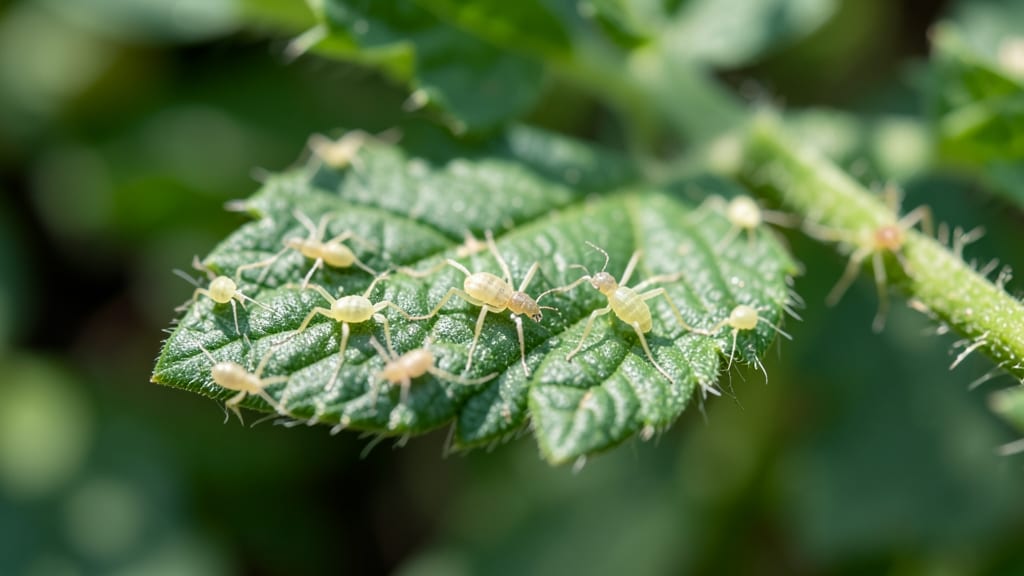
Tiny pests are stealing your tomato harvest—and you won’t even see them coming. 🌱 Those barely visible specks on your leaves aren’t just dirt; they’re tomato plant mites, and they’re sucking the life out of your plants before you notice.
I’ve battled these sneaky invaders in my garden, and the key to stopping them is acting fast with a simple, two-step spray that works every time.
Most people wait until their plants look like they’ve been through a war—yellowing leaves, stunted growth, and fine webbing between stems—before they act. That’s when the damage is already done.
Spider mites and broad mites are the usual culprits, and they thrive in dry, hot conditions, making summer the perfect time for them to multiply. The good news? You can stop them with just a spray bottle, some basic ingredients, and a little patience.
By the end of this, your tomato plants will be back on track—stronger stems, glossy leaves, and no more webbing. The spray I use is gentle enough for regular use but tough enough to knock out mites within days.
Plus, it’s a fraction of the cost of store-bought pesticides, and you won’t have to worry about harmful chemicals near your food. Prevention is easier than you think, and once you’ve got this under control, your tomatoes will thank you with bigger, healthier fruit.
Whether you’re dealing with a full-blown infestation or just want to keep these pests from showing up in the first place, this method works. It’s simple, effective, and won’t leave your garden looking like a chemical warzone.
Let’s get those mites under control so you can focus on what really matters—your harvest.
Hidden Invaders Behind Tiny Webs
Those barely visible, fast-moving pests 🕷️ lurking on your tomato plants aren’t just a nuisance—they’re a full-blown threat to your harvest. Spider mites (often mistakenly called "tomato plant mites") thrive in conditions that might seem harmless to you but are perfect for their survival.
Understanding why they show up in the first place is the first step to stopping them before they destroy your plants. Let’s break down the science behind their infestations.
Spider mites reproduce at an alarming rate—up to 20 eggs per female per day under ideal conditions. When tomato plants are packed too closely together, air circulation plummets, creating a humid microclimate that mites love.
Poor airflow also delays drying, leaving sticky honeydew (a byproduct of their feeding) on leaves, which attracts sooty mold—a secondary problem that further stresses your plants.
Why it happens:
- Limited airflow traps heat and moisture, slowing down natural predators (like ladybugs or lacewings) that would otherwise keep mite populations in check.
- Stressed plants produce weaker sap, making them an easier meal for mites. Overcrowding weakens plants by competing for nutrients, water, and sunlight.
- Dense foliage provides perfect hiding spots for mites to spin their protective webs, shielding them from pesticides and natural enemies.
Actionable fix: Space tomato plants 18–24 inches apart and prune lower leaves to improve airflow. If you’re growing in containers, use 5-gallon pots or larger to avoid root competition.
Spider mites despise humidity but thrive in dry, hot conditions—think summer afternoons with low humidity (below 40%) and temperatures soaring above 85°F (29°C). Under these conditions, they dehydrate faster than their prey, forcing tomato plants to overproduce sap to compensate. This sugary feast is a mite’s dream.
Why it happens:
- Water stress in plants triggers the production of phenolic compounds, which mites find irresistible. Think of it like a plant screaming, “Eat me—I’m desperate!”
- Dry soil reduces the plant’s ability to regulate its own moisture, making leaves crispy and brittle—perfect for mites to burrow into.
- Lack of rain means fewer natural rinses to wash away mites or their eggs, giving them uninterrupted access to your plants.
Actionable fix:
- Water deeply early in the morning (before 10 AM) to reduce evaporation and encourage strong root growth.
- Use mulch (straw or wood chips) to retain soil moisture and cool roots.
- Install a shade cloth (30–50%) if your region experiences extreme heatwaves.
While pesticides might seem like the answer, many synthetic chemicals actually invite spider mites by killing their natural predators first. For example, neonicotinoids and broad-spectrum insecticides wipe out ladybugs, lacewings, and predatory mites—the very creatures that would otherwise keep mite populations under control.
Why it happens:
- Predator wipeout: Natural enemies of spider mites are often more sensitive to pesticides than the mites themselves. Once these guardians are gone, mites multiply unchecked.
- Resistance buildup: Mites develop resistance to pesticides faster than most gardeners rotate treatments, leading to super-mite strains that shrug off sprays.
- Soil disruption: Overuse of chemicals can harm beneficial fungi and bacteria in the soil, weakening plant immunity and making them more susceptible to pests.
Actionable fix:
- Switch to organic or targeted sprays (like neem oil or horticultural oil) that kill mites without harming predators.
- Introduce beneficial insects like Phytoseiulus persimilis (a type of predatory mite) or release lacewing eggs near infested plants.
- Avoid systemic pesticides (e.g., imidacloprid) unless absolutely necessary, and always follow label instructions for timing and dilution.
Tomato plants under stress—whether from nutrient deficiencies, disease, or poor soil health—become easy targets for spider mites. A healthy plant’s waxy cuticle and natural defenses repel pests, but when plants are malnourished or sick, mites detect their vulnerability and move in en masse.
Why it happens:
- Nitrogen deficiency leads to yellowing leaves, which mites mistake for ripe fruit—their favorite snack.
- Phosphorus or potassium shortages weaken the plant’s cell walls, making it easier for mites to pierce and feed.
- Fungal or bacterial infections (like early blight or bacterial spot) create open wounds where mites can nest and spread.
Actionable fix:
- Test your soil pH and nutrient levels (ideal range for tomatoes: 6.0–6.8 pH) and amend with compost or balanced fertilizer (10-10-10).
- Rotate crops annually to prevent soil-borne diseases and avoid planting tomatoes in the same spot year after year.
- Apply seaweed extract or fish emulsion as a foliar spray to boost plant immunity and deter pests.
Pro Tip: 💡 Scout your plants regularly—check the undersides of leaves and new growth with a magnifying glass. Early detection (before webs form) means easier, faster eradication!
Quick Fixes for Tiny Plant Invaders
Tiny pests like spider mites, thrips, or broad mites can turn your tomato plants into a battleground—leaving behind silvery webbing, speckled leaves, or stunted growth. The good news? You don’t need harsh chemicals to win the fight.
Below are practical, plant-safe solutions tailored to the root causes of infestations, plus prevention tips to keep your tomatoes thriving. Let’s tackle this step by step!
Before treating, identify the pest (even if they’re microscopic!). Common tomato plant mites include:
- Spider mites (tiny red/yellow dots, webbing on undersides of leaves)
- Broad mites (silver-speckled leaves, no webbing)
- Thrips (black specks on leaves, curled or distorted foliage)
Use a hand lens (10x magnification) or a white sheet of paper (shake leaves over it to spot tiny pests). If you see sticky residue (honeydew), aphids or whiteflies might also be the culprits—but mites are often the sneakiest.
Mites hate water, oil, and soap—here’s how to mix a safe, effective spray in 5 minutes:
1. 🔥 Homemade Neem Oil Spray (Best for All Mites)
Neem oil disrupts mites’ life cycle and repels future pests. Use it every 5–7 days until the infestation clears.
Ingredients:
- 1 tbsp neem oil (100% cold-pressed)
- 1 tsp dish soap (mild, like Dawn)
- 1 tsp horticultural oil (optional, for extra stickiness)
- 1 quart (32 oz) water
How to Apply: ✅ Mix in a spray bottle, shake well. ✅ Spray undersides of leaves (mites love hiding there!) and stems. ✅ Cover plants with a sheet if spraying in direct sun (oil can burn leaves). ✅ Reapply after rain or every 5 days.
💡 Pro Tip: Add 1 tsp of garlic or chili powder to the mix for extra pest-repelling power!
2. 👨🍳 Soapy Water Blast (Fast Relief for Heavy Infestations)
A soapy water spray suffocates mites on contact. Best for immediate action (but reapply often).
Ingredients:
- 1 tbsp mild liquid soap (no fragrances)
- 1 quart water
How to Apply: ✅ Spray directly on mites (focus on webbing or speckled areas). ✅ Wipe leaves with a damp cloth if possible. ✅ Rinse plants after 30 minutes to remove soap residue.
⚠️ Warning: Avoid dish soap with degreasers—it can harm plants!
3. 🥘 Beneficial Predators (Long-Term Defense)
If you want a permanent solution, introduce natural predators that eat mites:
- Ladybugs (release 10–20 adults per plant)
- Predatory mites (Phytoseiulus persimilis—buy online)
- Lacewings (release eggs or adults)
💡 Pro Tip: Plant marigolds, dill, or basil nearby—they attract beneficial insects!
Sometimes, physical removal works better than sprays—especially for broad mites.
🌡️ Prune & Dispose Infested Leaves
- Cut off heavily damaged leaves (mites spread fast!).
- Drop them in soapy water (not compost) to kill eggs.
- Wipe stems with a damp cloth dipped in neem oil.
🎯 Blow Mites Off with Water
- Use a hose on a gentle setting to wash mites off leaves.
- Repeat every 2–3 days for 2 weeks.
Once you’ve eliminated the pests, stop them from returning with these easy habits:
| Prevention Tip | How to Do It |
|---|---|
| Water Wisely | Water early in the morning (mites hate humidity). Avoid overhead watering—it spreads eggs. |
| Yellow Sticky Traps | Hang traps near plants to catch flying mites/thrips. |
| Reflective Mulch | Use aluminum foil or silver plastic mulch—mites dislike bright light. |
| Rotate Crops | Don’t plant tomatoes in the same spot yearly (mites overwinter in soil). |
| Strong Plants = Fewer Pests | Fertilize with compost (healthy plants resist pests better!). |
💡 Bonus: Companion planting with garlic, onions, or chives deters mites naturally!
If your tomatoes are severely stunted or mites keep coming back, consider:
- Insecticidal soap (stronger than dish soap, but still organic).
- Spinosad spray (derived from soil bacteria, OMRI-listed).
- Consult a local extension office for region-specific solutions.
Remember: Consistency is key! Mites reproduce every 3–7 days, so stay vigilant for at least 3 weeks after treatment. With these methods, your tomato plants will be pest-free and productive in no time! 🍅🚀
Frequently asked questions
What do tomato plant mites look like up close?
Tomato mites are nearly invisible to the naked eye—most are 0.5mm or smaller. Use a 10x magnifying lens to spot them: spider mites appear as tiny red/yellow dots, while broad mites look like translucent specks. Look for their fine webbing between leaves or silver-speckled patterns on foliage.
How do I tell if my tomato plants have mites vs. another pest?
Mites leave distinct clues: webbing (spider mites), speckled leaves (broad mites), or sticky honeydew (if aphids are also present). Shake leaves over white paper—mites scatter as tiny dots. Aphids leave curled leaves, while whiteflies fly when disturbed.
Will neem oil work if I only spray the tops of leaves?
No—mites hide on leaf undersides and stems. Always spray both sides of leaves and stems thoroughly. Cover plants with a sheet if spraying in direct sun to prevent leaf burn. Reapply every 5-7 days for best results.
Can I use regular dish soap to kill tomato mites?
Only mild, fragrance-free dish soap (like Dawn) works—never degreasers. Mix 1 tbsp soap per quart of water and spray directly on mites. Rinse after 30 minutes to prevent leaf damage. For stubborn infestations, combine with neem oil.
How long does it take to see results after treatment?
You may see immediate reduction in visible signs, but full eradication takes 2-3 weeks of consistent treatment. Mites reproduce quickly, so stay vigilant. Monitor plants daily and reapply sprays after rain. Healthy plants recover faster!