
Plants
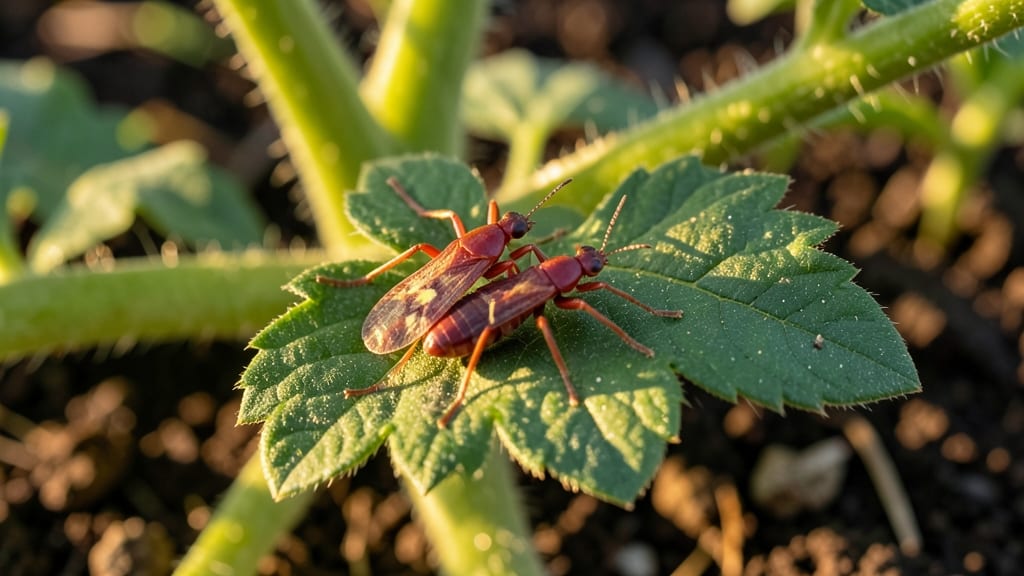
Those tiny small red bugs on tomato plants aren't just annoying—they can strip leaves overnight. 🌱 I've battled every red pest imaginable, from tomato hornworms to spider mites, and learned which ones need immediate action versus a strategic defense plan.
The first step is telling them apart: hornworms are fuzzy caterpillars that vanish when you touch them, while spider mites are barely visible but leave webbing. Both leave chewed leaves and stunted growth, but the solutions differ completely—one needs handpicking, the other needs water pressure or neem oil.
By the time you spot them, they've likely already caused damage, but acting fast can save your harvest. I'll walk you through organic sprays, physical removal, and long-term prevention that actually works without chemicals. This works for backyard gardens, containers, or even balcony plants—anywhere tomatoes grow. Let's reclaim those leaves!
Root Causes Of Tiny Red Invaders
When you spot small red bugs feasting on your tomato plants, it’s rarely a random event—these pests are drawn to specific conditions that make your garden an all-you-can-eat buffet. Understanding why they show up is the first step to stopping them before they wreck your harvest.
Below, we break down the most common triggers, backed by science, so you can address the real problem—not just the symptoms.
Tomato plants under stress are like neon signs for pests: weakened defenses = easy meals. Overcrowding, poor spacing, or excessive pruning without proper care can leave plants vulnerable. Here’s how it works:
- Competition for nutrients: When plants are too close, they compete for water, sunlight, and soil nutrients. This nutritional stress weakens their cell walls, making them easier for pests like aphids or thrips (common red bugs) to pierce and feed on sap.
- Hormonal imbalances: Stress triggers the release of plant hormones like ethylene and jasmonic acid, which can attract herbivores. Some red bugs, like Russian wheat aphids, are drawn to these chemical signals.
- Physical damage: Over-pruned or bruised plants expose tender new growth—prime real estate for pests. A single cut or broken stem can create entry points for insects to lay eggs.
Actionable fix: Space tomato plants 18–24 inches apart, mulch to retain moisture, and avoid aggressive pruning. If plants are already stressed, a balanced fertilizer (like 10-10-10) can help them bounce back.
Red bugs thrive in heat and low humidity—conditions that also stress tomato plants. Here’s the science:
- Dehydration weakens plants: Under drought-like conditions, tomato leaves become thinner and more brittle, making them easier for pests to penetrate. Red bugs like tomato russet mites prefer these dry, crisp surfaces.
- Pest life cycles speed up: Many red bugs (e.g., aphids) reproduce faster in warm temperatures. A single female aphid can produce 70–80 offspring in a week when it’s above 75°F (24°C).
- Reduced natural predators: Beneficial insects like ladybugs and lacewings slow down in extreme heat, giving red bugs a temporary advantage.
Actionable fix:
- Water deeply early in the morning to keep soil moist but not soggy.
- Use shade cloth (30–50%) during peak summer heat if possible.
- Mulch with straw or grass clippings to retain moisture and cool roots.
Unhealthy soil isn’t just bad for plants—it’s a magnet for pests. Red bugs target plants growing in soil that’s:
- Nutrient-deficient: Plants low in nitrogen or phosphorus produce weaker foliage. Red bugs like whiteflies (sometimes mistaken for red in early stages) are drawn to these nutrient-starved leaves.
- Compacted or waterlogged: Poor drainage creates anaerobic conditions, stressing roots and signaling distress to pests. Some red bugs, like root aphids, thrive in these environments.
- Lacking beneficial microbes: Healthy soil teems with mycorrhizal fungi and bacteria that help plants fend off pests. Sterile or chemically treated soil disrupts this balance, making plants more susceptible.
Actionable fix:
- Test your soil’s pH (aim for 6.0–6.8) and amend with compost or worm castings.
- Avoid over-fertilizing with synthetic nitrogen—it can attract sap-sucking pests.
- Plant companion crops like basil or marigolds to improve soil health and repel pests.
If your garden had red bugs last season, they’re probably back for round two. Here’s why:
- Overwintering eggs: Many red bugs (e.g., tomato hornworms’ predators or aphids) lay eggs in plant debris, soil, or even on garden tools. These eggs can survive winter and hatch when conditions warm up.
- Contaminated soil or tools: If you reused soil or pruners from last year’s infested plants, you may have unwittingly spread eggs or larvae.
- Attracting more pests: A single infestation can alter the ecosystem of your garden, drawing in secondary pests that feed on the original invaders’ waste or weakened plants.
Actionable fix:
- Clean up all plant debris in fall and rotate crops yearly.
- Sterilize tools with rubbing alcohol or boiling water between uses.
- Introduce beneficial nematodes (like Steinernema carpocapsae) in early spring to target overwintering pests.
💡 Pro Tip: Keep a garden journal to track pest patterns. Note when infestations peak, which plants are affected, and what conditions (weather, soil, etc.) were present. This helps you predict and prevent future outbreaks before they start!
Quick Fixes for Tiny Tomato Plant Invaders
Spotting those pesky small red bugs on tomato plants can feel like a gardener’s worst nightmare—but don’t panic! The right approach depends on the culprit. Below, we’ve mapped out practical, step-by-step solutions for the most common offenders, plus tips to keep them from crashing your harvest again.
Let’s get your tomatoes back on track!
Not all red bugs are created equal. Before grabbing the spray bottle, confirm the culprit (see our earlier guide). Here’s how to tackle the top suspects:
🍳 Tiny Red Spiders? Crush the Webbed Menace
(If you’re seeing red spider mites—those itty-bitty red dots with webbing)
Step-by-Step Fix:
- 💦 Blast Them Off with Water
- Use a strong jet of water (from a hose or spray bottle) to dislodge mites from leaves. Do this early in the morning so foliage dries quickly—mites hate humidity!
- Pro Tip: 🌡️ Increase humidity around plants (try a nearby tray of water or misting system) to make their dry environment unbearable.
- 🧴 Apply Neem Oil or Insecticidal Soap
- Mix 1 tsp neem oil + 1 tsp mild soap per quart of water, then spray both sides of leaves (miters hide underneath!).
- Repeat every 5–7 days until gone. Test on a small leaf first—some plants are sensitive!
- 🕷️ Introduce Predatory Bugs
- Ladybugs, lacewings, and predatory mites love spider mites. Buy them online or attract them with dill or fennel plants nearby.
- 🔪 Prune and Dispose Infested Foliage
- Cut off heavily damaged leaves and burn or trash them (don’t compost!). This stops the cycle.
👨🍳 Red Bugs Leaving Sticky Messes? Say Bye to Aphids
(If you’re seeing clusters of red aphids or sticky residue on leaves)
Step-by-Step Fix:
- 💦 Knock ‘Em Off with Water
- Spray aphids directly with water to disrupt their grip on stems and leaves. Do this 2–3 times a week for heavy infestations.
- 🍋 Use a Homemade Spray
- Mix 1 cup rubbing alcohol + 1 tsp dish soap + 1 quart water in a spray bottle. Shake and apply directly to aphids (avoid over-spraying tomatoes if eating raw).
- Alternative: Soap spray (1 tbsp castile soap per quart of water) works gently but requires more frequent applications.
- 🐞 Bring in the Big Guns (Beneficial Insects)
- Ladybugs, lacewings, and parasitic wasps devour aphids. Release them at dusk when aphids are least active.
- 🌿 Prevent Future Outbreaks
- Encourage natural predators by planting marigolds, nasturtiums, or basil nearby.
- Remove weeds—they harbor aphids!
🥘 Red Bugs Biting Fruit? Tackle Fruitworms or Thrips
(If you’re seeing red larvae (tomato hornworms) or tiny red thrips on tomatoes)
Step-by-Step Fix:
- 🔪 Handpick Hornworms
- Wear gloves and pluck off green or red hornworm caterpillars (they’re camouflaged!). Drop them in soapy water to kill them instantly.
- Pro Tip: 🎯 Check plants at dawn/dusk—that’s when hornworms are most active.
- 🧹 Remove Eggs Daily
- Thrips lay eggs on leaf undersides. Inspect plants every 2 days and wipe off eggs with a damp cloth or cotton swab dipped in soapy water.
- 🌿 Use Row Covers or Netting
- Cover young tomato plants with fine mesh netting to block adult thrips and moths from laying eggs.
- 💨 Try Diatomaceous Earth (DE)
- Sprinkle food-grade DE around the base of plants. It’s non-toxic but deadly to thrips by dehydrating them. Reapply after rain.
Once you’ve kicked the bugs out, keep them from moving back in with these long-term strategies:
- 💡 Rotate Crops – Avoid planting tomatoes (or nightshades) in the same spot yearly—this breaks pest life cycles.
- 🌱 Interplant with Repellents – Basil, marigolds, and onions deter many tomato pests naturally.
- 🌡️ Monitor Soil Health – Healthy soil = strong plants. Use compost and balanced fertilizer to make tomatoes less appealing to bugs.
- 🕰️ Stay Vigilant – Inspect plants weekly, especially leaf undersides and fruit clusters, where bugs love to hide.
- 🚫 Avoid Overwatering – Damp leaves attract fungus gnats and thrips. Water at the base and avoid evening watering.
Remember: The key is speed and consistency. Catching pests early means less damage to your tomatoes and fewer chemicals needed. With these fixes, you’ll be back to juicy, blemish-free tomatoes in no time! 🍅✨
Frequently asked questions
Are those tiny red bugs actually harmful to my tomato plants?
Yes, they can be! Most red bugs like red spider mites or aphids suck plant sap, causing yellowing leaves, stunted growth, and even fruit damage. If left unchecked, they can weaken plants enough to reduce your harvest by 30-50%. Act fast—handpick visible bugs or use water sprays to disrupt their life cycle.
How do I tell if it's spider mites vs. aphids vs. hornworms?
Here's the quick ID guide: Spider mites are tiny red dots with webbing; aphids cluster in sticky groups on stems; hornworms are fuzzy green/red caterpillars that vanish when touched. Check leaf undersides first—most pests hide there! If you see webbing, it's mites; if you see caterpillar poop (black frass), it's hornworms.
Will neem oil really work on these red bugs?
Neem oil disrupts red bugs' feeding and reproduction cycles. Mix 1 tsp neem oil + 1 tsp mild soap per quart of water and spray both sides of leaves every 5-7 days. For stubborn infestations, add a drop of dish soap as an emulsifier. Always test on a small leaf first—some plants are sensitive!
Can I use chemical pesticides safely around my tomato plants?
Use with caution! Most chemical pesticides have 7-14 day harvest restrictions for tomatoes. For organic gardens, stick to pyrethrin-based sprays (derived from chrysanthemums) or kaolin clay. Always follow label instructions precisely, and consider targeted applications (like spraying only affected areas) to minimize exposure.
How can I prevent these red bugs from coming back next year?
Start with crop rotation—don't plant tomatoes in the same spot yearly. Add companion plants like basil or marigolds, which repel pests naturally. In fall, clean up all plant debris and sterilize tools. For extra protection, use row covers early in the season to block adult pests from laying eggs.