
Plants
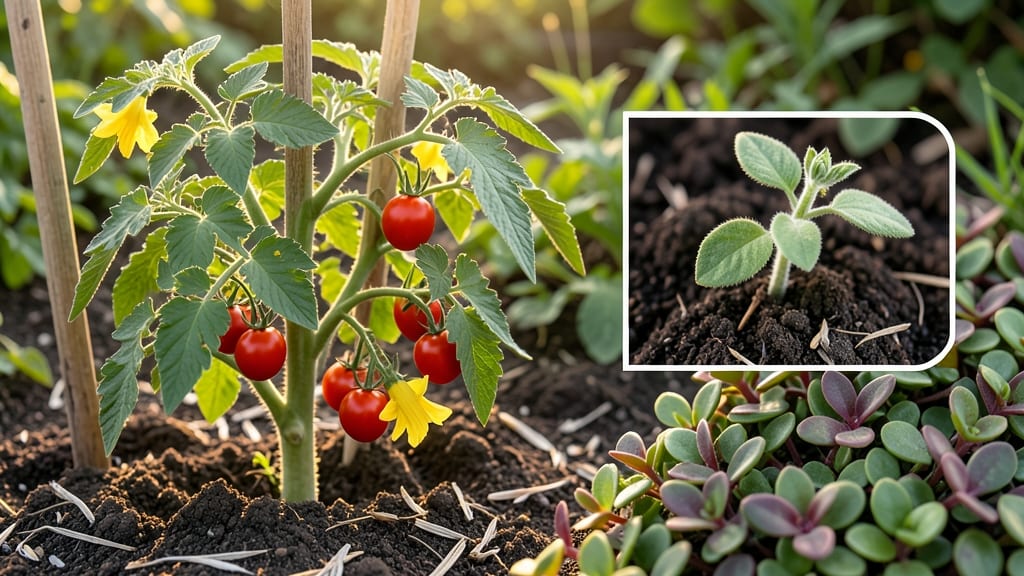
I’ve yanked up what I thought was a weed—only to discover it was my heirloom tomato plant reaching for the sky. 🌱 This happens more than I’d like to admit, especially when young tomato leaves look eerily similar to common weeds like purslane or lambsquarters.
The difference between a thriving plant and a wasted season often comes down to a quick leaf test you can do in seconds.
Tomato leaves are hairy, slightly fuzzy, and divided into 5-9 uneven lobes that look like jagged fingers. Weeds, on the other hand, tend to have smooth, simple leaves—think oval or spear-shaped, not lobed.
Purslane, for example, has thick, succulent leaves that look nothing like tomato foliage, while lambsquarters has a more delicate, feathery appearance. Run your fingers over the leaves: tomato leaves feel rough, while weeds are usually smooth as silk.
Once you’ve confirmed it’s a tomato, give it a little room to breathe—weeds steal nutrients and water, so pull them within 6 inches of your plants. The payoff? A bush that’s stocky, green, and loaded with fruit by midsummer, not a leggy, struggling plant that’s been outcompeted.
Trust me, your future self will thank you when you’re harvesting sun-ripened tomatoes instead of pulling up seedlings.
This trick works for both backyard gardens and container setups—just keep an eye out for those telltale lobes. And if you’re still unsure? Snap a photo and compare it to a trusted guide. No more guilty feelings over accidental uprooting!
How Nature Confuses Plants
When your tomato plants start looking suspiciously similar to weeds, it’s not just your imagination—it’s biology in action. Several factors can trigger this confusion, often leading to misidentification or even the accidental removal of your prized plants.
Understanding these causes helps you sharpen your gardening eye and keep your harvest thriving. Let’s break down why this happens.
Tomato plants and many weeds share a common trait: they both sprout quickly and grow aggressively in the right conditions. During the seedling stage, tomato leaves can resemble those of weeds like purslane or chickweed because:
- Broadleaf shapes: Young tomato leaves are often lobed or jagged, mimicking the rounded or serrated edges of weed leaves.
- Rapid expansion: Both tomatoes and weeds prioritize growth when soil nutrients and moisture are abundant, leading to dense, bushy foliage that can blur distinctions.
- Environmental stress: Poor soil quality or overcrowding can stunt tomato growth, making their leaves smaller and more weed-like in appearance.
Actionable tip: Wait until tomatoes develop their distinctive compound leaves (with 5-9 leaflets) before weeding. Early intervention is key—pull weeds when they’re small, but give tomatoes time to mature.
Stressors like drought, extreme heat, or poor drainage can cause tomato plants to revert to survival mode, producing smaller, darker, or irregularly shaped leaves that resemble weeds. Here’s how:
- Water deprivation: Underwatered tomatoes develop thicker, leathery leaves with curled edges, mimicking drought-resistant weeds like dandelions.
- Heat shock: High temperatures (>90°F/32°C) can scorch tomato leaves, creating yellowed or browned patches that look like diseased weed foliage.
- Compacted soil: Roots struggling for oxygen produce stunted, purple-tinged leaves, which can be mistaken for henbit or prostrate spurge.
Pro tip: 💡 Mulch your tomato beds to retain moisture and regulate soil temperature. A 2-3 inch layer of straw or wood chips reduces stress and keeps weeds at bay.
Tomatoes (Solanum lycopersicum) belong to the nightshade family, which includes many weeds like black nightshade (Solanum nigrum) or horse nettle (Solanum carolinense). When these wild species grow nearby, they can:
- Hybridize: Pollen transfer can create intermediate leaf shapes—tomato plants might develop hairier stems or serrated leaf edges, blurring the line between crop and weed.
- Invasive spread: Volunteer tomato plants (from dropped seeds) can grow into feral-looking shrubs with smaller fruit, resembling bittersweet nightshade.
- Chemical mimicry: Some weeds produce alkaloids similar to tomatoes, tricking gardeners into thinking they’re the same plant.
Action step: 🔪 Remove wild nightshade weeds before tomatoes flower to prevent cross-pollination. If unsure, dig up suspicious plants and check for fruit presence—weeds rarely produce edible tomatoes.
Pathogens and pests can alter tomato leaf structure, making them look like weeds. Common culprits include:
| Cause | Symptom | Weed It Resembles |
|---|---|---|
| Early blight (Alternaria solani) | Concentric brown spots on leaves | Deadly nightshade (dried, crispy leaves) |
| Spider mites | Yellow stippling, curled leaves | Purslane (stunted, brittle growth) |
| Verticillium wilt | Vascular discoloration, wilting | Ground ivy (yellowing, patchy decline) |
Solution: 🌡️ Isolate affected plants and treat with neem oil or copper fungicide. Healthy tomatoes have vibrant green, glossy leaves—any deviation may signal a problem.
By recognizing these triggers, you’ll never again mistake your tomato plants for weeds—or vice versa. Stay vigilant, and your garden will stay productive (and weed-free)!
Quick Fixes For Garden Confusion
Now that you’ve identified whether those leafy green plants in your garden are tomatoes or weeds, it’s time to act! Misidentifying them can mean wasted effort—or worse, accidentally pulling out your future harvest. Here’s how to correctly manage each scenario with practical, step-by-step solutions.
Sometimes, young tomato plants look like weeds until they mature. If you’ve confirmed it’s a tomato but it’s struggling, act fast to give it the care it deserves.
🔥 Fix Overcrowding or Weak Growth
Tomatoes need space to thrive—too many plants competing for nutrients leads to stunted growth that mimics weeds. - 👨🍳 Prune aggressively: Remove lower leaves (up to 12 inches from the ground) to improve airflow and prevent disease.
Use clean, sharp shears to avoid damaging stems. - ⏰ Thin seedlings: If you planted too densely, pull out weaker seedlings, leaving only the strongest 2–3 plants per hill (or per container). - 🌡️ Boost soil health: Mix in compost or aged manure around the base to replenish nutrients.
Tomatoes are heavy feeders!
💡 Pro Tip: If your tomato plants are yellowing or wilting, check for blight or pests (like aphids) before assuming they’re weeds. A quick spray of neem oil can save them!
🍳 Revive Stressed Tomato Plants
If your tomato looks more like a struggling weed than a productive plant, it might need a quick recovery plan. - 💧 Water deeply but less often: Tomatoes hate soggy soil but also drought stress.
Water at the base (not leaves) in the morning to prevent fungal issues. - 🌿 Support weak stems: Use cages or stakes to prop up floppy plants.
This prevents them from lying flat and looking like low-growing weeds. - ☀️ Check sunlight: If your tomatoes are leggy and pale, they need 6+ hours of direct sun daily. Move pots or relocate seedlings to a sunnier spot.
✨ Prevention Tip: Mulch heavily (with straw or grass clippings) to retain moisture and suppress weeds before they even sprout!
Weeds steal nutrients, spread diseases, and compete with your tomatoes for survival. Here’s how to eliminate them effectively—without harming your edible plants.
🔪 Hand-Pulling: The Old-School Method
Best for small weeds or young volunteers (like wild tomatoes or nightshade). - 👩🌾 Pull when soil is moist: Weeds come out easier after rain or watering.
Grab the base (not just the leaves) to remove roots. - 🌱 Dispose properly: Don’t compost weeds that have gone to seed (like purslane or lamb’s quarters).
Toss them in the trash or burn them if possible. - 🚫 Avoid gloves if possible: Some weeds (like bindweed or nutsedge) have persistent roots. Use a weeding fork for stubborn types.
💡 Pro Tip: Pull weeds early in the morning when they’re turgid (full of water)—they’ll come out cleaner!
🌡️ Smother or Starve Weeds Out
For large patches of weeds (especially in garden beds), prevent regrowth with these low-effort methods. - 🛋️ Use cardboard or newspaper: Lay 2–3 layers of cardboard (no tape!) or black plastic over weed-heavy areas.
Leave in place for 4–6 weeks to block sunlight. - 🌿 Mulch thickly: A 3–4 inch layer of straw, wood chips, or grass clippings blocks light and chokes out weeds before they sprout. - 💧 Boiling water trick: For driveway cracks or sidewalk weeds, pour boiling water directly on the roots.
Works instantly but only on non-plant areas!
✨ Prevention Tip: Landscape fabric (with holes for tomato stakes) can reduce weed seeds from reaching your soil in the first place.
🧪 Chemical-Free Weed Killers (For Tough Cases)
If weeds keep returning (like dandelions or crabgrass), try these natural alternatives before reaching for herbicides. - 🍋 Vinegar spray: Mix 1 gallon white vinegar + 1 oz dish soap + 1 cup salt.
Spray directly on weeds (avoid tomatoes—it’s non-selective!). Works best on young weeds. - 🌿 Corn gluten meal: Sprinkle 1 lb per 100 sq ft in early spring before weeds germinate.
It prevents seed sprouting without harming established plants. - 🥬 Saltwater (last resort): For bare ground (not near tomatoes), a strong saltwater mix (1:1 ratio) can kill weeds. Rinse soil afterward to prevent long-term damage.
🚨 Warning: Never use vinegar or salt near tomato plants—they’ll kill them too!
The best way to avoid the "tomato or weed?" dilemma is to stop weeds before they start.
| Method | How to Do It | Best For |
|---|---|---|
| Mulching | Apply 3–4 inches of mulch around tomato plants. | All garden beds, containers. |
| Weed barriers | Lay landscape fabric before planting. | Raised beds, in-ground gardens. |
| Regular scouting | Check soil weekly for sprouts. | Small gardens, containers. |
| Interplanting | Grow fast-covering crops (like radishes) between tomatoes. | Row gardens. |
| Healthy soil | Add compost yearly to outcompete weeds. | Long-term garden health. |
🎯 Final Tip: Rotate crops—planting tomatoes in the same spot yearly leads to weed buildup and disease. Move them every 2–3 years for a weed-free future!
By following these targeted fixes, you’ll save your tomato plants and keep weeds under control—no more guessing game in your garden! 🍅🚫🌿
Frequently asked questions
How can I quickly tell if a young plant is a tomato or a weed?
Run your finger over the leaves—tomato leaves feel rough and hairy, while most weeds have smooth, silky leaves. Look for 5-9 uneven lobes on tomato leaves (like jagged fingers) versus simple oval or spear-shaped weed leaves. Purslane and lambsquarters are common lookalikes, but tomatoes have that distinctive fuzzy texture.
What should I do if I accidentally pulled out a tomato plant?
Don’t panic! Replant the tomato immediately in a sunny spot with well-draining soil. Water thoroughly and add compost to help it recover. If it’s too late in the season, try growing a fast-maturing variety like 'Early Girl' next year—you’ll have tomatoes in 50-60 days!
Are there any weeds that actually look like mature tomato plants?
Yes! Black nightshade and horse nettle (both in the same family) can resemble tomatoes, especially when they produce small green berries. The key difference: weeds rarely form proper tomatoes and often have spiny stems. Always check for edible fruit—if it’s bitter or inedible, it’s a weed!
Can I use the same weed control methods around tomato plants?
Not all methods work safely! Avoid vinegar or salt near tomatoes—they’ll kill your plants too. Instead, use mulch (3-4 inches), hand-pulling, or corn gluten meal (applied before weeds sprout). For stubborn weeds, try a weeding fork to avoid disturbing tomato roots.
What’s the best time of day to check for tomato plants vs. weeds?
Early morning is ideal! Weeds are most turgid (full of water) after nighttime moisture, making them easier to pull. Plus, tomato leaves will be dewy and vibrant, while stressed weeds often look wilted. This is when you’ll spot the clearest differences in leaf texture and shape.