
Plants
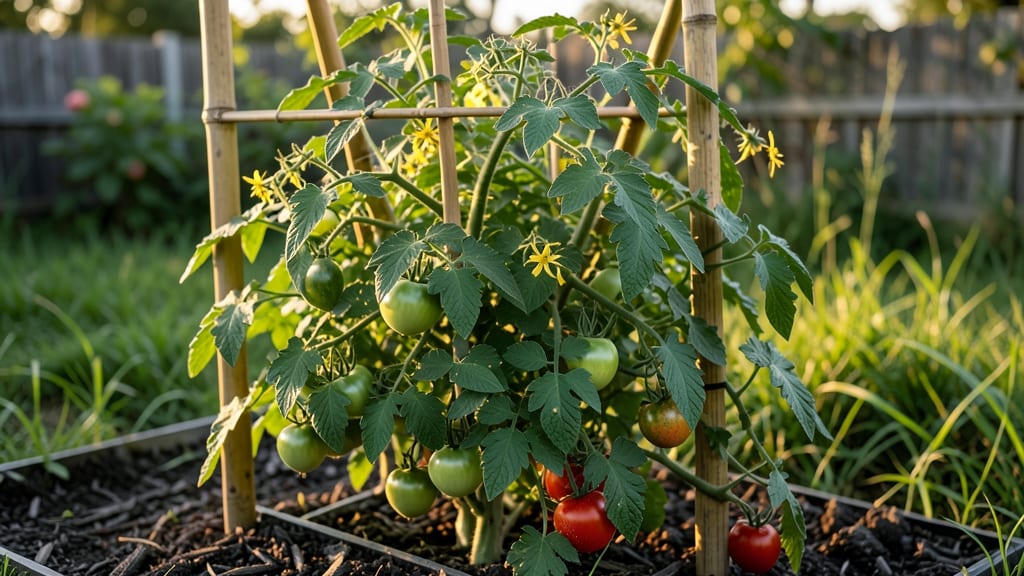
Your tomato plant ripening time depends entirely on the variety, climate, and care you provide—some ripen in just 45 days, while others take over 100.
Ever stared at a green tomato in late summer, willing it to turn red? You’re not alone—this wait is the difference between a fast-maturing cherry and a slow heirloom. The right timing means the difference between a bountiful harvest and a season of frustration.
Here’s how to predict ripening days by variety, adjust for your climate, and speed up the process naturally—no shortcuts, just science-backed strategies. Whether you’re in Zone 6a or a warmer region, you’ll know exactly when to expect those juicy, vine-ripe tomatoes.
From pruning tricks to fertilizer timing, I’ll break down the key factors that cut ripening time in half. No more guessing—just a clear timeline for your 🍅 harvest.


Tomato ripening time by variety: fastest to longest maturing types
If you're planning your garden around a tomato harvest, knowing the ripening timeline for different varieties is key. Some tomatoes mature in just 45 days, while others take nearly 100 days to reach peak ripeness.
The variety you choose directly impacts your harvest window and even your yield expectations. For example, my cherry tomatoes ripen in half the time of my heirloom beefsteaks, but the latter produce larger, more flavorful fruits.
Let’s break down the fastest and slowest maturing types so you can plan accordingly.
Fast-maturing varieties are perfect for short-season gardens or container growing, while longer-season tomatoes reward patience with bigger, more complex flavors. I’ve grown everything from 45-day cherry tomatoes to 90-day heirlooms, and the difference in timing can change your entire gardening strategy.
Whether you’re aiming for an early summer harvest or a late-season feast, understanding these timelines helps you space plantings and manage expectations. Let’s dive into the specifics so you can pick the perfect tomato for your garden’s timeline.
My cherry tomatoes, like 'Sweet 100', are the fastest ripeners on my list, ready in just 45-55 days. These are ideal if you’re growing in containers or have a short growing season.
I’ve seen my plants produce 20-30 pounds of fruit per season, perfect for snacking or salads. The trade-off? Smaller size and less complex flavor compared to heirlooms. If you’re after early harvests, these are my top pick for quick gratification.
For a middle-ground option, hybrid slicers like 'Early Girl' mature in 55-65 days and offer a balance between speed and productivity. These varieties are disease-resistant and produce 10-15 pounds per plant, making them great for family-sized meals.
I’ve used them in succession plantings to extend my harvest window, which is a game-changer for gardens with limited space or time.
If you’re willing to wait, heirloom beefsteaks like 'Brandywine' deliver unmatched flavor and large fruit size, but they take 75-90 days to ripen. My Brandywine plants produce 8-12 pounds of tomatoes, each weighing over a pound.
The downside? They need more time and sturdy supports to handle their weight. For heirloom lovers, the wait is absolutely worth it—these tomatoes are gourmet-quality and perfect for sandwiches or sauces.
For those who love a challenge, giant tomato varieties like 'Big Beef' take 85-100 days to mature but reward you with showstopper fruits weighing up to 2 pounds each. These varieties produce 15-25 pounds per plant, but they require heavy staking and consistent care.
I’ve found that greenhouse growing or extended seasons work best for these giants, as they need warm temperatures and long daylight hours to reach their full potential.
When planning your garden, consider succession planting to stagger
How climate affects tomato ripening: heat, cold, and seasonal factors
Climate plays a critical role in determining how quickly your tomato plants ripen. While some varieties mature in 50-60 days, others need 90+ days—and that timeline shifts dramatically based on your local conditions.
In tropical climates, tomatoes often ripen faster due to consistent warmth, while short-season zones like Zone 4 may struggle to fully mature late varieties. Understanding these factors helps you adjust planting times and extend the season for a bountiful harvest.
Temperature is the biggest factor in tomato ripening speed. Tomatoes thrive in 70-85°F day temperatures, where they develop color and sweetness efficiently.
Below 55°F at night, ripening slows or stops entirely, while consistent heat above 90°F can cause sunscald or blossom drop. Sunlight hours also matter—tomatoes need 6-8+ hours of direct sun daily to set fruit and ripen properly.
In northern climates, shorter days and cooler temps often delay ripening, while southern regions may face heat stress if not managed.
Climate Factors for Tomato Ripening
✅ Ideal Conditions
- Temperature: 70-85°F days, 60°F+ nights
- Sunlight: 8+ hours daily
- Humidity: Moderate (40-60%)
- Soil Temp: 60°F+ at planting
- Ripening Speed: 2-3 weeks after fruit set
Perfect for temperate zones (Zones 5-9) with proper season extension.
❌ Challenging Conditions
- Temperature: Below 55°F nights or above 90°F days
- Sunlight: Less than 6 hours daily
- Humidity: High (above 70%) or low (below 30%)
- Soil Temp: Below 55°F at planting
- Ripening Speed: Stalls or slows significantly
Common in short-season zones (Zones 1-4) or tropical heat without shade.
In tropical climates, tomatoes often ripen 2-3 weeks faster than in temperate zones because of consistent warmth and longer daylight. However, high humidity (above 70%) increases fungal risks like blight, which can rot fruit before ripening.
I’ve grown cherry tomatoes in Florida that ripened in just 45 days thanks to year-round growing conditions—but I always use fungicide sprays to prevent issues. Meanwhile, in short-season zones, gardeners often opt for early-maturing varieties like ‘Early Girl’ (50 days) or ‘Stupice’ (55 days) to avoid frost.
Cold snaps are the biggest enemy of tomato ripening. When nighttime temps drop below 50°F, tomatoes stop ripening and may never turn red. To troubleshoot delayed ripening, I recommend using row covers or greenhouses in spring/fall to maintain warmth.
Another trick? Harvest green tomatoes and ripen them indoors with a paper bag + banana (ethylene gas speeds ripening). For heavy heat, provide afternoon shade with shade cloth to prevent sunscald while keeping mornings sunny for photosynthesis.
Seasonal factors also shift ripening times. In spring plantings, tomatoes often ripen slower due to cooler soil and shorter days, while summer plantings benefit from peak warmth. I’ve found that succession planting every 2-3 weeks in warm climates extends harvests by 3-4 months.
For northern gardeners, choosing determinate varieties (like ‘Roma’) ensures a concentrated harvest before frost, while indeterminate types (like ‘Sungold’) may need season extension techniques.
Regional microclimates add another layer. Coastal areas with moderate temps often produce sweeter tomatoes than inland zones with extreme heat.
I once grew ‘Brandywine’ heirlooms in Zone 7 and got full ripening, but a friend in Zone 8 with 100°F+ days struggled until she added drip irrigation and mulch. Always check your local frost dates and heat advisories to time plantings for optimal ripening windows.
To maximize ripening success, monitor your tomato plants daily for signs of stress like yellowing leaves (nutrient deficiency) or dropped blossoms (heat stress).
Adjust care based on your climate zone: Zone 1-4 gardeners should prioritize early varieties and greenhouse growing, while Zones 9-11 can grow year-round with shade cloth in peak summer. With the right adjustments, you can control ripening time—even in challenging climates! 🌱