
Plants
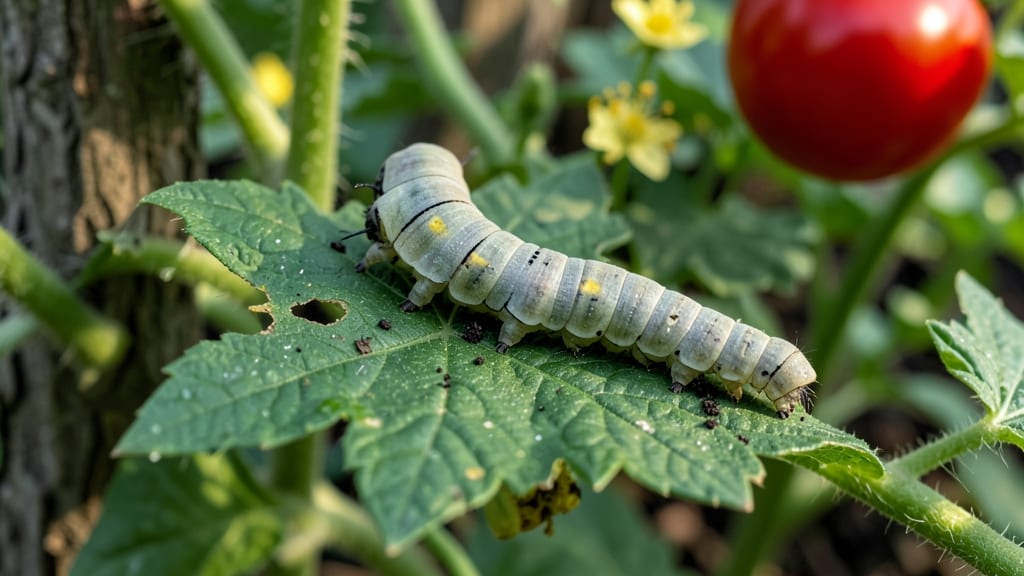
Wilted tomato stems that drop like dominoes? 🌱 Those hungry worms are the culprits, and I’ve saved my plants from total collapse using only what’s in my garden shed—not a single chemical in sight.
The key is acting fast before they skeletonize your plants in hours, and I’ll show you exactly how to spot them and stop them without harming your soil or pollinators.
Hornworms, cutworms, and root-knot nematodes each leave telltale signs: chewed leaves, sawdust-like frass, or stunted growth. I learned the hard way that waiting until you see the damage means your plant’s already fighting for its life.
The good news? A simple mix of neem oil, soapy water, or even duckweed (yes, really) can turn the tide in minutes—no fancy gear required.
By the time you’re done, your plants will bounce back faster than you thought possible. The secret isn’t just the spray—it’s prevention: row covers, companion planting with basil or marigolds, and a quick evening check for nighttime cutworm raids. Trust me, your tomatoes will thank you at harvest time.
Works for backyard gardens, raised beds, or even container tomatoes. No more helplessly watching your prize plants collapse—here’s how to reclaim your harvest, organically and fast.
Root Causes Of Tomato Plant Worms
When your tomato plants start looking less than thriving—with chewed leaves, wilting stems, or mysterious holes—worms are often the silent saboteurs. But why do these pests target your tomatoes in the first place?
The answer lies in a mix of environmental cues, plant vulnerabilities, and the worms' own survival instincts. Let’s break down the science behind their unwelcome visits.
Tomato worms—most commonly the hornworm (Manduca sexta) or tomato fruitworm (Helicoverpa zea)—are drawn to plants that already show signs of stress or decay. Overripe, sunburned, or cracked tomatoes release volatile organic compounds (VOCs) that moths and butterflies can detect from up to a mile away.
These chemicals signal "easy prey" for egg-laying adults.
💡 Pro Tip: Harvest tomatoes promptly and remove any fruit that’s past its prime. If you spot tiny white eggs (about the size of a pinhead) on leaves or stems, act fast—larvae hatch in 2–4 days and start feasting immediately.
Healthy tomato plants have natural defenses, but stress makes them prime targets. Worms exploit plants that are:
- Underwatered or overwatered – Fluctuating moisture levels weaken cell walls, making leaves easier to chew.
- Nutrient-deficient – Low nitrogen or potassium reduces plant resilience, and worms detect these deficiencies through chemical cues in the foliage.
- Young or newly transplanted – Tender new growth is high in sugars, a worm’s favorite snack.
🌡️ Science Note: Studies show that stressed tomato plants emit higher levels of ethylene gas, which attracts egg-laying pests. Keep your plants consistently watered (1–1.5 inches per week) and well-fed with balanced fertilizer (10-10-10 or organic compost) to deter unwelcome visitors.
Worms don’t attack randomly—they follow a seasonal and circadian rhythm:
- Peak season: Late spring to early fall (when tomato plants are in full bloom and fruiting).
- Nighttime feeders: Most tomato worms are nocturnal, so you’ll see new damage in the morning—not during the day.
- Warmth triggers activity: Temperatures above 70°F (21°C) speed up their metabolism, leading to faster growth and more voracious eating.
🕒 Actionable Insight: If your garden is in a warm climate, monitor plants at dusk with a flashlight. You might spot worms mid-bite—giving you a chance to remove them before they disappear into the soil.
Not all plants attract tomato worms, but these common garden companions do:
- Nightshades: Eggplants, peppers, and potatoes (worms from the same family, like Manduca, target these too).
- Weeds like milkweed – Surprisingly, some worms (like the tomato hornworm) prefer milkweed over tomatoes, but they’ll still munch on your crop if it’s nearby.
- Overcrowded plants – Dense foliage creates hidden microclimates where eggs and larvae thrive undetected.
✨ Smart Gardening Hack: Plant basil, marigolds, or dill near tomatoes—their strong scents repel egg-laying moths. Also, thin out plants to improve airflow and reduce hiding spots.
Understanding why worms target your tomatoes is half the battle. Now that you know their triggers, you can outsmart them with organic defenses—like the quick fixes we’ll cover next! 🚀
Quick Fixes for Wormy Tomato Plants
Worms and larvae tunneling through your tomato stems can feel like a nightmare, but don’t toss those plants just yet! With the right organic fixes, you can restore your garden’s health—fast.
Below, we’ve mapped out practical, step-by-step solutions tailored to the root causes of your wormy tomato woes. Plus, we’ll share prevention tips to keep your plants thriving long-term.
If you spot large larvae or caterpillars chewing through stems, act fast before they multiply.
- 👨🍳 Inspect at dawn or dusk – Worms are sluggish in cooler temps, making them easier to spot.
- 🔪 Drop them in soapy water – Use a small bucket with 1 tbsp dish soap + 1 gallon water.
This kills them instantly without chemicals. 3. 🌱 Prune damaged stems – Cut 2 inches below the chewed area with sterilized scissors (wipe with rubbing alcohol). Dispose of infested debris in a sealed bag—not the compost!
✨ Pro Tip: Wear gloves! Some worms (like tomato hornworms) can leave itchy rashes if you handle them bare-handed.
For smaller larvae or eggs, disrupt their life cycle with these non-toxic sprays:
| Solution | How to Use | Best For |
|---|---|---|
| Neem Oil Spray | Mix 1 tbsp neem oil + 1 tsp mild soap + 1 quart water. Spray every 5–7 days. | Eggs & young larvae |
| Bacillus thuringiensis (Bt) | Spritz 1 tsp Bt powder + 1 quart water directly on leaves. Reapply after rain. | Hornworms & loopers |
| Garlic Pepper Spray | Blend 4 garlic cloves + 1 tsp cayenne + 1 quart water. Strain & spray. | Deterrent for adult moths |
| Beauveria bassiana | Dust fungal spores on soil (kills grubs). Reapply after watering. | Underground worms (cutworms, rootworms) |
💡 Prevention Hack: Spray early morning or late evening to avoid harming beneficial insects like ladybugs.
Worms thrive in rich, moist soil—so tweak your garden’s conditions to make it less inviting:
- 🌡️ Reduce nighttime watering – Damp soil attracts cutworms and rootworms. Water deeply in the morning instead.
- 🔥 Add diatomaceous earth – Sprinkle food-grade DE around the base of plants. It dries out worm skins, killing them.
Reapply after rain. 3. 🥗 Plant companion crops – Interplant basil, marigolds, or nasturtiums to repel moths and attract praying mantises (natural predators). 4. 🍎 Mulch with cedar or pine – These woods naturally deter burrowing pests.
⚠️ Warning: Avoid synthetic pesticides—they kill good bugs and can harm your tomatoes long-term.
Set up physical barriers to catch worms before they strike:
- 🍎 Collar young plants – Wrap cardboard or aluminum foil around stems (bury 1 inch into soil) to block cutworms. - 🔦 Use a beer trap – Bury a plastic cup filled with beer near plants.
Worms crawl in and drown (yes, really!). - 🕷️ Encourage predators – Plant dill or fennel to attract parasitic wasps, which lay eggs inside worms, killing them from within.
Stop worms before they start with these easy habits:
✅ Rotate crops – Don’t plant tomatoes in the same spot two years in a row. ✅ Clean up debris – Remove fallen leaves and stems where eggs hide. ✅ Inspect plants weekly – Catch larvae before they chew through stems. ✅ Use row covers – Lightweight floating fabric blocks moths from laying eggs. ✅ Test your soil – Too much nitrogen attracts pests.
Balance with compost and compost tea.
With these organic, fast-acting fixes, your tomato plants can bounce back in days—and stay worm-free for the season! 🍅💚
Frequently asked questions
How do I tell if my tomato plant has worms?
Look for chewed leaves with jagged edges, black droppings (frass), or missing stems. Hornworms leave skeletonized leaves, while cutworms chew stems at soil level. Check undersides of leaves for green or brown caterpillars—they’re often hiding there!
What’s the fastest way to remove tomato worms?
Pick them off by hand and drop them in soapy water (1 tbsp dish soap + 1 gallon water). For stubborn infestations, spray with neem oil (1 tbsp + 1 tsp soap + 1 quart water) immediately. Reapply every 5-7 days for best results.
Can tomato worms survive in compost?
No! Compost heats up enough to kill most larvae, but never add infested plant debris—it can reintroduce eggs. Always bag and discard chewed leaves/stems in sealed trash. The only safe composting is for healthy plant material with no visible worms.
Why do I keep getting worms even after treating my plants?
Worms have a short life cycle (2-3 weeks), so new eggs hatch constantly. Prevent reinfestation by using row covers, removing egg clusters, and planting basil or marigolds nearby. Check plants at dawn/dusk when worms are sluggish.
Are there any natural predators that eat tomato worms?
Praying mantises, parasitic wasps, and ladybugs love munching on tomato worms. Attract them by planting dill, fennel, or alyssum nearby. Even chickens will gobble up larvae if you let them forage in your garden!