
Companion Plants
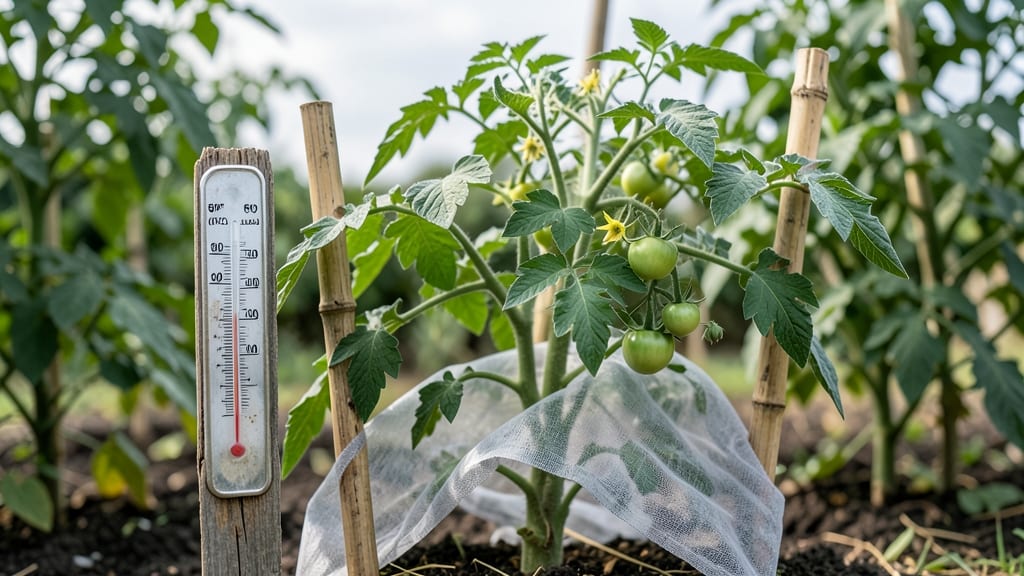
Tomato plants need a minimum temperature of 50°F (10°C) to survive, but cooler nights can stunt growth or even kill them within hours.
Did you know that chilly nights can kill your tomato plants within hours—even if they looked healthy just days before? Understanding the minimum temperature for tomato plants is the difference between a thriving harvest and a wasted season.
In USDA Zone 6a, where spring nights dip into the 40s°F (4-9°C), young seedlings are especially vulnerable. A sudden drop below 45°F (7°C) halts germination, while mature plants may survive brief dips but suffer stunted fruit production.
Below, I’ll break down the safe temperature ranges at every growth stage, share proven ways to shield your plants from frost, and highlight the hardiest tomato varieties for cooler climates.
Tomato plant minimum temperature: safe growth zones by stage
Tomatoes are tropical plants at heart, meaning they thrive in warmth but struggle in cold. Even a single night below 50°F (10°C) can stunt growth, while temperatures under 32°F (0°C) will kill most varieties.
Understanding these temperature thresholds by growth stage helps you plan planting times and protect your crop from frost damage.
The USDA hardiness zones provide a baseline, but real-world conditions—like coastal breezes or inland heatwaves—can shift these limits. For example, Zone 8 gardeners might safely plant in April, while Zone 5 growers should wait until late May or use cold protection.
Let’s break down the critical temperature ranges for each stage of tomato growth.
🚨 NON-NEGOTIABLE: Never plant tomatoes outdoors until soil temperatures reach at least 60°F (15°C). A soil thermometer is your best tool to verify—cool soil roots can rot even if air temps seem warm. Nighttime lows are often the real killer, so monitor forecasts for frost warnings.
| Growth Stage | Minimum Temperature (°F/°C) | USDA Zones Safe for Outdoor Planting | Risk Zone (°F/°C) | Action Required |
|---|---|---|---|---|
| Seedlings (Indoor) | 55°F (13°C) | All zones (use grow lights) | Below 50°F (10°C) | Move to heat mat or warmer spot |
| Transplanting | 60°F (15°C) soil | Zones 8-10 (April); Zones 5-7 (May-June) | Nighttime <50°F (10°C) | Use row covers or cloches |
| Flowering/Fruiting | 55°F (13°C) daytime | Zones 7-10 (safe year-round) | Below 45°F (7°C) | Mulch heavily + black plastic |
| Heatwave Stress | Above 95°F (35°C) | Zones 9-11 (common) | Above 100°F (38°C) | Shade cloth + extra water |
🌱 Note: Cold-hardy varieties (e.g., 'Stupice') tolerate 40°F (4°C) briefly but still need protection.
During the seedling stage, most tomato varieties won’t germinate below 55°F (13°C). If you’re starting seeds indoors in Zone 5 or colder, use a seedling heat mat to maintain 70-80°F (21-27°C) soil temps.
Without this, germination rates drop dramatically, and seedlings become leggy and weak. Pro tip: Place your seed trays on top of your refrigerator (not inside) for a free, consistent heat source.
Transplanting is the most critical window for temperature sensitivity. Even if your air temperatures feel warm, cool soil can shock roots. Always check soil temps with a thermometer—60°F (15°C) is the absolute minimum.
In Zones 3-6, wait until after Memorial Day (late May) to reduce frost risk. For earlier planting, use black plastic mulch to warm the soil faster.
The flowering and fruiting stages are when tomatoes become most vulnerable to cold snaps. Below 55°F (13°C), flowers may drop (a condition called blossom end rot), and fruit can develop green shoulders or crack.
In Zones 7-10, this is rarely an issue, but coastal areas with foggy nights can drop temps unexpectedly. A row cover or frost blanket adds 5-10°F (3-6°C) of protection overnight.
Heatwaves are just as dangerous as cold snaps, especially in Zones 9-11. Tomatoes stop setting fruit when daytime temps exceed 95°F (35°C), and leaves may scorch above 100°F (38°C). To combat this, use 30-50% shade cloth during peak afternoon sun and water deeply in the morning.
Drip irrigation keeps soil moisture high, which helps plants transpire more efficiently and stay cooler.
If you’re in a transition zone (e.g., Zone 7b), where temps fluctuate wildly, consider staggered planting. Start with cold-hardy varieties like 'Mountain Merit' in early spring, then follow with heat-tolerant types like 'Solar Fire' as temps rise. This extends your harvest window by up to <
How to protect tomato plants from cold temperatures: practical solutions
When cold snaps threaten your tomato plants, quick action can save your harvest. Most tomato varieties struggle below 50°F (10°C) at night, with seedlings and young plants far more vulnerable. Even mature plants can suffer blossom drop or stunted growth when temperatures dip below 55°F (13°C).
If you're in USDA zones 7-10 with unpredictable spring nights, these strategies will shield your plants without breaking the bank.
Start with mulching—a simple but effective first line of defense. Apply a 3-4 inch layer of straw or wood chips around the base of your plants to insulate roots. This method costs $10-$20 per bag and can raise soil temperatures by 5-10°F.
Pair it with black plastic mulch for an extra 3-5°F boost, especially in early spring or late fall when roots are most exposed.
For light frosts (28-32°F / -2 to 0°C), floating row covers are a game-changer. Made from lightweight fabric, these covers trap heat while allowing sunlight and water to pass through.
A 10x20 ft cover runs about $25-$40 and lasts multiple seasons. Secure edges with soil or bricks to prevent cold air from seeping underneath.
Tomato Plants Minimum Temperature Warning
Tomato plants face irreversible damage when exposed to temperatures below 32°F (0°C) for more than 1-2 hours. Seedlings and young plants are most at risk, with root systems freezing at 28°F (-2°C). Even mature plants may experience blossom end rot or cracked fruit after cold stress, reducing yields by up to 40%. Monitor forecasts and act before temperatures drop.
For hard frosts (below 28°F / -2°C), invest in cloches or cold frames. Individual plastic cloches (like those used for broccoli) cost $5-$15 each and can raise temperatures by 10-15°F.
For larger gardens, a cold frame (starting at $50) provides year-round protection. Place cloches over plants in the evening and remove them on sunny mornings to prevent overheating.
If you're growing tropical tomato varieties like 'Solar Fire' or 'Heatmaster' in cooler climates, consider indoor overwintering. Move potted plants to a sunny window or grow light and reduce watering by 50%.
Use a space heater (set to 55°F / 13°C) near the plants to maintain warmth. This method costs $30-$100 in equipment but ensures you can replant the same varieties next season.
For long-term cold protection, combine methods: mulch + row covers + cloches. This layered approach can extend your growing season by 4-6 weeks in USDA zones 5-6. Always remove covers during the day to allow pollination (tomatoes need bee activity or hand-pollination).
Test your setup with a thermometer to ensure soil temperatures stay above 50°F (10°C) at night.
With these strategies, you can push your tomato plants' limits—whether you're dealing with late spring frosts or early fall chills. Start with mulching and row covers for budget-friendly protection, then graduate to cloches or indoor setups for high-value varieties. Your future harvests will thank you! 🌱