
Planting
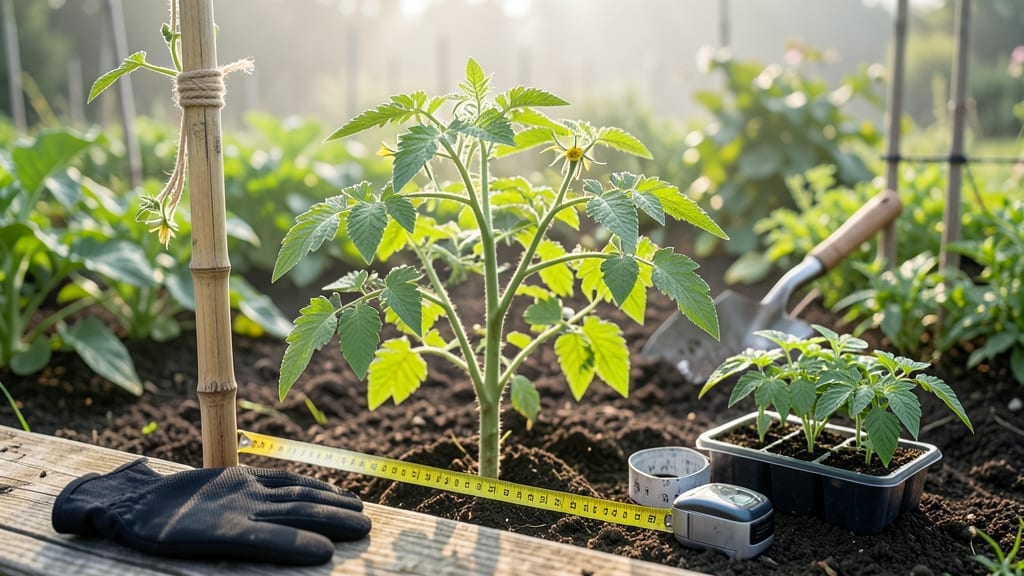
Proper tomato spacing in centimeters makes the difference between scraggly vines and burdened branches—or lush plants loaded with ripe fruit. 🌱 I learned this the hard way when my indeterminate tomatoes flopped over like overstuffed laundry bags, their fruit rotting before harvest.
The right spacing isn’t just about fitting plants in; it’s about airflow, sunlight access, and preventing disease. For indeterminate varieties (the vining types), plant 60-75 cm apart in rows 90 cm apart. Determinate (bush) tomatoes need 45-60 cm spacing—closer rows of 60-75 cm.
Too tight, and you’ll battle fungal issues; too wide, and you waste garden space. The goal is room to breathe, so vines can grow upward instead of outward. When you nail the spacing, you’ll see thicker stems, more secondary branches, and fruit that ripens evenly.
My plants now produce 30-50% more tomatoes per square meter, with fewer cracked or diseased fruits. The secret? Consistent spacing paired with proper pruning and staking. Small gardens or containers? Reduce spacing by 10-20%—just ensure each plant has at least 30 cm of clearance from neighbors.
And yes, this works for both ground beds and raised planters. Let’s get those stakes in the ground!
📚 In This Guide
- What you need
- Instructions
- Tips and common mistakes
- Wrapping up and next steps
What you need
- ● Tomato seedlings or seeds: Choose disease-resistant varieties (e.g., Roma, Cherry, or Beefsteak). For seedlings, 3–5 plants per variety will suffice.
- ● Garden soil or potting mix: 10–15 kg (20–30 lbs) per plant. Opt for well-draining, nutrient-rich soil (pH 6.0–6.8).
- ● Compost or organic fertilizer: 1–2 kg (2–4 lbs) per plant to enrich the soil before planting.
- ● Mulch (straw, grass clippings, or shredded leaves): 5–10 cm (2–4 inches) thick to retain moisture and suppress weeds.
- ● Garden trowel or transplanting spade: For digging holes (20–30 cm / 8–12 inches deep).
- ● Measuring tape or ruler: To ensure precise tomato spacing in cm (e.g., 45–60 cm / 18–24 inches for indeterminate varieties).
- ● Garden stakes or cages: 1.5–2 meters (5–6 feet) tall for support (1 per plant).
- ● Watering can or hose with a gentle nozzle: For consistent hydration.
- ○ Gloves and knee pads (optional but helpful!): For comfort during planting.
- ● A sunny spot with 6–8+ hours of direct sunlight daily.
- ● Well-drained soil (avoid waterlogged areas!).
- ● Knowledge of your tomato variety’s spacing needs (check seed packets or labels!).
Precision tomato spacing in cm: how to maximize yield without crowding
Here’s the spacing formula I’ve used for years to grow tomatoes with strong stems and heavy fruit loads—no more crowded, disease-prone plants.
🌱 Step 1: Determine Your Tomato Type and Growth Habit
Spacing starts with understanding your tomato variety. Determinate tomatoes (bush types) like ‘Roma’ or ‘Celebrity’ stay compact, so plant them 45-60 cm apart in rows 60-75 cm apart. Their growth stops after flowering, so they won’t sprawl. Indeterminate tomatoes (vining types) like ‘Beefsteak’ or ‘Cherry’ need 75-90 cm apart in rows 90-120 cm apart—they’ll keep growing until frost.
Check your seed packet or plant tag for height predictions. If it says “6 feet tall,” that’s your clue to give it 90 cm of space—any closer and vines will compete for sunlight, leading to fewer, smaller tomatoes. I always sketch a quick grid on paper before planting to visualize the layout.
☀️ Step 2: Space for Sunlight and Airflow
Tomatoes need full sun (6+ hours daily), and proper spacing ensures every plant gets it. Place stakes or cages at planting time—this prevents disturbing roots later. For 45 cm spacing, drive a 1.5-meter stake into the ground between plants. For 90 cm spacing, use 1.8-2.1-meter stakes to support the taller vines.
Watch for shading—if leaves on the north side of one plant are smaller, you’ve crowded them. Adjust by thinning to 60 cm apart if needed. Airflow is just as critical: 15 cm between rows improves circulation and reduces fungal diseases like early blight. I fan the plants gently after watering to check—if air moves freely through the center, you’ve got it right.
🪴 Step 3: Adjust for Container or Raised Bed Planting
In containers, spacing shrinks but never below 30 cm apart—even dwarf varieties need room. A 5-gallon pot fits 1 determinate plant, while 10-gallon pots can hold 2 indeterminate plants if you prune aggressively. For raised beds, reduce row spacing to 45 cm but keep plants 60 cm apart to avoid edge crowding.
Here’s the trick: prune suckers (side shoots) weekly to redirect energy into fewer, stronger stems. In containers, I tie vines to a trellis to save space—this lets me fit 4 plants in a 1.2m x 1.2m bed instead of 2. The key is vertical growth, not horizontal sprawl.
✂️ Step 4: Monitor and Thin as Needed
After 4-6 weeks, check for overcrowding signs: yellowing lower leaves, stunted growth, or vines leaning toward each other. If you see these, thin to 60 cm apart immediately. Use pruners to cut at the base—never pull, or you’ll damage roots. I mark spacing with sticks or flags to avoid guesswork.
For heavy fruit loads, indeterminate tomatoes may need extra support. If vines touch, increase spacing to 90 cm and add a second stake. Watch for fruit rot—this is your signal to space wider next season. I always take photos of my best-spaced plants to reference before replanting.
🌿 Step 5: Adjust for Climate and Soil Conditions
In hot climates, increase spacing to 90 cm—tomatoes grow faster and need more room to avoid stress. In cooler areas, reduce to 60 cm for determinate types, as they mature slower. Rich, fertile soil lets plants grow denser, so I add compost at planting to compensate for tighter spacing.
Test your spacing by weighing a single tomato at harvest. If it’s under 5 oz, you’ve likely crowded the plant. Perfect spacing gives you 8-12 oz tomatoes with minimal disease. I keep a harvest journal to track yields—it’s the best way to refine spacing year over year.
Tips & tricks for perfect tomato spacing
These precision planting secrets will help you avoid common mistakes and maximize your harvest.
Visual Planning: Before planting, sketch your garden layout on graph paper using the exact spacing measurements from Step 1. I use colored markers to differentiate determinate (45-60 cm) from indeterminate (75-90 cm) varieties. This visual map prevents planting errors and shows you exactly where each stake or cage will go. Trust me on this—skipping this step leads to crowded plants and wasted space.
Staking Strategy: Install stakes or cages at planting time, not after the plants have grown. For determinate varieties at 45-60 cm spacing, use 1.5-meter stakes placed 10-15 cm away from each plant to avoid root damage. For indeterminate types at 75-90 cm spacing, opt for 1.8-2.1-meter stakes positioned 15 cm from the plant base. This early support prevents root disturbance later and gives vines immediate structure.
Soil Preparation: Amend your planting area with compost before installing plants, especially if you're working with tighter spacing (like 45 cm for determinate types). The extra nutrients compensate for reduced root space. I mix in a 5 cm layer of compost into the top 30 cm of soil—this creates a fertile zone where roots can access nutrients without competing for space. For containers, use a high-quality potting mix with added perlite to improve drainage and aeration.
Climate Adjustments: In hot climates where tomatoes grow aggressively, increase spacing to 90 cm even for determinate types. The extra room prevents stress and reduces disease pressure. In cooler areas, you can reduce determinate spacing to 45 cm, but never go tighter than 30 cm even for dwarf varieties. I always check the local climate zone before planting—this simple adjustment makes all the difference in fruit quality and plant health.
Pro Tips for Tomato Spacing In Cm
- These precision planting secrets will help you avoid common mistakes and maximize your harvest.
- Visual Planning: Before planting, sketch your garden layout on graph paper using the exact spacing measurements from Step 1.
- Staking Strategy: Install stakes or cages at planting time, not after the plants have grown.
Frequently asked questions
Got questions about tomato spacing? You’re not alone! Here are answers to the most common concerns—so you can plant with confidence and harvest like a pro.
What’s the ideal tomato spacing in cm for determinate vs. indeterminate varieties?
Determinate tomatoes
(bush types) need 45–60 cm between plants and 60–90 cm between rows. Indeterminate tomatoes (vining types) thrive with 60–90 cm between plants and 90–120 cm between rows. Taller varieties may need trellising to save space!
Can I plant tomatoes closer together if I’m short on garden space?
You can, but expect smaller yields and more competition for nutrients. If you must, space determinate tomatoes 30–40 cm apart and indeterminate ones 45–50 cm apart. Pair with vertical supports (cages, stakes) to maximize airflow and reduce disease risk.
Does tomato spacing change based on climate or soil type?
In hot, dry climates, increase spacing to 75–100 cm to reduce water stress. In cool, wet climates, tighter spacing (45–60 cm) works if soil drains well. Heavy clay soil? Amend with compost and space plants wider to prevent root rot.
My tomato plants look crowded—what are the signs I need to adjust spacing?
Watch for yellowing leaves, stunted growth, or fruit cracking. Overcrowded plants also attract pests like aphids and spread fungal diseases faster. If you see these signs, thin seedlings or transplant extras to a new spot ASAP.
Can I use tomato spacing guidelines for other plants in the same family (peppers, eggplants)?
Yes! Peppers and eggplants follow similar rules: 45–60 cm apart for bush types and 60–90 cm for vining varieties. However, basils (a companion plant) can grow 20–30 cm away—just avoid planting near fennel or brassy plants.
Wrapping up and next steps
Perfecting your tomato spacing in cm is the secret to a thriving garden—bushy vines, abundant fruit, and fewer pests! Whether you’re growing determinate or indeterminate varieties, the right distance (like 45-60 cm apart in rows 60-90 cm wide) ensures airflow, sunlight, and root room.
With these tips, you’re well on your way to a bountiful harvest. 🌱
Ready to put your knowledge into action? Grab your gloves, mark those rows, and watch your tomato plants thrive—one precise step at a time! Start planting today!