
Plants
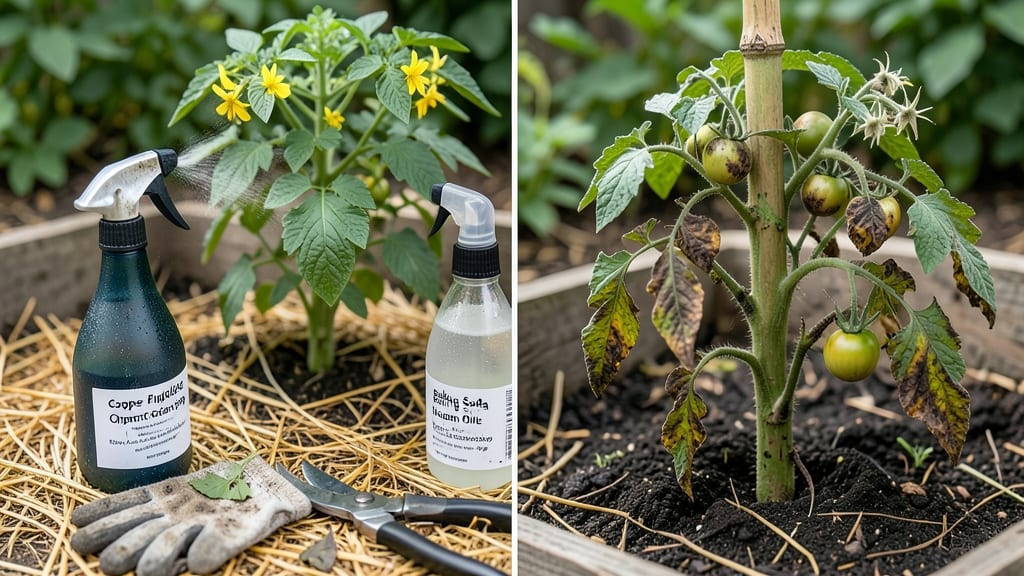
When your tomato plants show dark spots or wilting leaves, treating diseased tomato plants starts with quick action—not panic. ✨ I’ve saved entire harvests by catching early signs of blight, and the key is knowing exactly which spots to prune, what to spray, and when to pull the plug (literally).
The worst mistake? Waiting. Fungal blight spreads like wildfire in warm, damp conditions, but a 3-step cure—pruning infected leaves, applying copper fungicide, and improving airflow—can turn things around. Most gardeners overlook airflow, yet it’s the game-changer that stops spores from hitching rides on the breeze.
By the time you’re done, your plants will bounce back with stronger stems and fewer spots. The secret? Catching it early, acting fast, and giving your tomatoes the space they need to heal. No more sad, spotted leaves ruining your sauce.
This works for early blight, late blight, and even bacterial wilt—just adjust the spray. Let’s get those plants back in fighting shape before the next rain.
Root Causes Of Tomato Plant Disease
Tomato plants are resilient, but when they fall ill, it’s often due to a mix of biological, environmental, and even human factors. Understanding why diseases like fungal blight take hold helps you prevent them before they spread.
Here’s a breakdown of the most common culprits—and how they create the perfect storm for sickly plants.
Tomatoes thrive when their leaves can dry quickly after rain or watering. Without proper spacing, humidity lingers between plants, creating a damp, warm environment that fungi love. Poor airflow also prevents leaves from drying evenly, trapping moisture where spores can germinate.
- Why it matters: Fungal spores (like those causing early blight or Septoria leaf spot) need at least 6–8 hours of leaf wetness to infect plants.
- Actionable fix: Space tomato plants 18–24 inches apart and prune lower leaves to improve circulation.
Tomatoes hate "wet feet"—root zones that stay soggy for too long. Overwatering, poor drainage, or watering from above (especially in the evening) turns leaves into spore incubators. Even well-drained soil can become a problem if water pools around stems.
| Issue | Why It Causes Disease |
|---|---|
| Watering at night | Leaves stay wet overnight, extending the window for fungal spores to infect. |
| Splashing soil onto leaves | Spreads spores from contaminated soil directly onto foliage (common with overhead sprinklers). |
| Compacted or clay soil | Prevents roots from drying properly, increasing stress and susceptibility to pathogens. |
Tomatoes grow best in 60–85°F (15–29°C) ranges. Outside this zone, their defenses weaken. Heat stress (above 90°F/32°C) opens stomata (leaf pores), making it easier for fungi to invade. Meanwhile, cool, wet springs (below 60°F/15°C) slow plant growth, leaving them vulnerable to early blight.
- Heat stress signs: Yellowing leaves, curled edges, or sun scald (white patches on fruit).
- Cold stress signs: Stunted growth, purple stems, or black mold on leaves.
- Pro tip: Use mulch (straw or grass clippings) to regulate soil temperature and reduce swings.
Fungal spores can survive in soil for years. If previous crops (especially nightshades like potatoes or peppers) had blight, the pathogens may still be lurking. Even reusing containers or pruners without sterilizing them can spread disease from plant to plant.
- Common sources of contamination:
- Infected plant debris left in beds.
- Unsterilized pots, trellises, or stakes.
- Compost made from diseased plant material.
- Solution: Solarize soil in summer (cover with clear plastic for 4–6 weeks) or use copper fungicide as a preventive spray.
Tomatoes deprived of key nutrients are easier targets for diseases. Nitrogen deficiency (yellow lower leaves) weakens structural integrity, while phosphorus or potassium shortages impair root and leaf health, making them more susceptible to pathogens.
| Nutrient Deficiency | Disease Risk | Quick Fix |
|---|---|---|
| Nitrogen (N) | Reduced leaf vigor → easier fungal entry. | Side-dress with compost or blood meal. |
| Potassium (K) | Weak cell walls → blight spreads faster. | Apply greensand or wood ash. |
| Magnesium (Mg) | Interveinal chlorosis → stress signals attract pests. | Spray with Epsom salt solution (1 tbsp/gallon). |
💡 Pro Tip: A balanced fertilizer (10-10-10) at planting, followed by a low-nitrogen feed (5-10-10) when flowers appear, keeps tomatoes resilient.
Quick Fixes for Sick Tomatoes
Reviving your tomato plants starts with identifying the root of the problem—whether it’s fungal blight, bacterial rot, or nutrient deficiencies. Below are practical, step-by-step solutions tailored to common tomato diseases, plus prevention tips to keep your plants thriving. Let’s get those leaves perky again! 🌱💧
Fungal blight is the #1 enemy of tomato plants, but you can halt its progress with these steps:
🔥 Immediate Action (First 24-48 Hours)
- Prune infected leaves 🔪: Use sterilized pruners (wipe with rubbing alcohol) to remove yellow or brown spots and blackened stems.
Dispose of clippings in the trash (not compost)—fungus can survive in soil! - Space plants for airflow 🌬️: Crowded tomatoes trap moisture.
Thin out plants so leaves have room to dry quickly after watering. - Apply copper fungicide 🛡️: Spray copper-based sprays (like Bordeaux mixture) every 7–10 days to prevent further spread. Organic option: Mix 1 tsp baking soda + 1 quart water + a few drops of dish soap (reapply every 5 days).
🌡️ Long-Term Prevention
- Water at the base only 💦: Avoid wetting leaves (use drip irrigation or a soaker hose). Wet foliage = fungal paradise.
- Rotate crops 🔄: Don’t plant tomatoes in the same spot yearly—fungus lingers in soil.
Wait 3–4 years before replanting in the same area. - Mulch heavily 🌿: Use straw or grass clippings (2–3 inches thick) to block spore splash from soil.
Bacterial infections (like Xanthomonas or Pseudomonas) cause irregular brown spots with yellow halos. Unlike fungi, bacteria can’t be cured—but you can slow the damage:
👨🍳 Emergency Treatment
- Remove infected plants ⚰️: Do not compost—burn or trash them to prevent contamination.
Healthy plants nearby may still get infected, so quarantine them. - Disinfect tools & hands 🧼: Scrub pruners with bleach solution (1 part bleach to 9 parts water) before and after use. - Use bacterial spray 💉: Mix 1 tbsp copper soap + 1 tsp hydrogen peroxide (3%) + 1 quart water.
Spray every 5–7 days in the morning (avoid evening wetness).
🎯 Prevention for Next Season
- Choose resistant varieties 🌱: Opt for ‘Celebrity’ or ‘Mountain Merit’ tomatoes—these breeds tolerate bacterial spot better.
- Sterilize soil 🔥: Solarize soil in late summer by covering with clear plastic for 4–6 weeks to kill bacteria.
- Avoid overhead watering 🚫💦: Use drip irrigation to keep leaves dry.
Yellow leaves, stunted growth, or purple stems? Your tomatoes might be starving for key nutrients. Here’s how to fix it:
| Symptom | Likely Cause | Quick Fix | Prevention |
|---|---|---|---|
| Yellow lower leaves | Nitrogen deficiency | Apply fish emulsion or compost tea | Side-dress with alfalfa meal |
| Purple stems/leaves | Phosphorus deficiency | Mix bone meal into soil | Plant clover as a cover crop |
| Brown leaf edges | Potassium deficiency | Spray kelp meal solution | Use wood ash as a top dressing |
| Weak, spindly growth | Magnesium deficiency | Apply Epsom salt (1 tbsp/gallon water) | Mulch with leaves or grass clippings |
💡 Pro Tip:
- Test your soil 📊: Use a DIY soil test kit (or send a sample to a local extension office) to pinpoint exact deficiencies.
- Avoid over-fertilizing 🚫💥: Too much nitrogen = leafy but no fruit.
Balance with potassium-rich fertilizers (like banana peels steeped in water) for flowering.
Pests like hornworms, aphids, and spider mites weaken plants, making them more susceptible to disease. Here’s how to kick them out:
🍳 Natural Pest Control
- Handpick hornworms 👆: Check leaves daily and drop them in soapy water.
- Neem oil spray 🌿: Mix 1 tbsp neem oil + 1 tsp dish soap + 1 quart water.
Spray every 5–7 days (safe for plants, deadly for pests). - Encourage predators 🐞: Plant marigolds or basil nearby to attract ladybugs and lacewings, which eat aphids.
⏰ Prevention Schedule
- Weekly inspections 🔍: Check undersides of leaves and new growth for eggs.
- Row covers 🛡️: Use floating row covers early in the season to block pests before they strike.
Sometimes, the problem isn’t the plant—it’s the weather or setup. Adjust these factors to reduce disease risk:
- Improve drainage 💧: If soil stays soggy, amend with compost or perlite to prevent root rot.
- Adjust watering times ⏰: Water early in the day so foliage dries by evening.
- Provide shade cloth ☀️: In hot, humid climates, use 30–50% shade cloth to lower stress on plants.
- Support vines properly 🌿: Stake or cage tomatoes to improve airflow and reduce humidity around leaves.
Final Reminder: 🌟
- Act fast—the sooner you treat symptoms, the better the recovery.
- Combine methods (e.g., prune + fungicide + airflow) for maximum effectiveness.
- Learn from each season—adjust your garden setup based on what failed (or thrived!) this year.
Your tomatoes will be back to their juicy, disease-free best in no time! 🍅✨
Frequently asked questions
Can I still save my tomato plants if they have fungal blight?
Yes, but act fast! Prune all infected leaves with sterilized tools and apply copper fungicide immediately. Improve airflow by spacing plants 18–24 inches apart and water at the base only. With these steps, many plants recover within 2–3 weeks.
What’s the difference between early blight and late blight in tomatoes?
Early blight shows as brown, concentric rings on lower leaves, while late blight creates dark, greasy-looking spots that spread rapidly—especially in humid weather. Late blight is far more aggressive and can destroy plants in days.
Is it safe to compost tomato plants with disease?
No, never compost diseased plants! Fungal spores survive in compost and can reinfect your garden. Instead, bag and trash infected plant material or burn it. For bacterial diseases, sterilize tools with bleach to prevent spread.
How often should I spray fungicide on my tomato plants?
For prevention, spray every 7–10 days during humid seasons. If treating an active infection, apply every 5–7 days until symptoms disappear. Always spray in the early morning so leaves dry quickly.
Will removing just the infected leaves stop the disease from spreading?
No, pruning alone won’t stop it—fungal spores spread through air and water. Always combine pruning with copper fungicide and improve airflow. Without these steps, spores will reinfect healthy leaves within days.