
Pruning
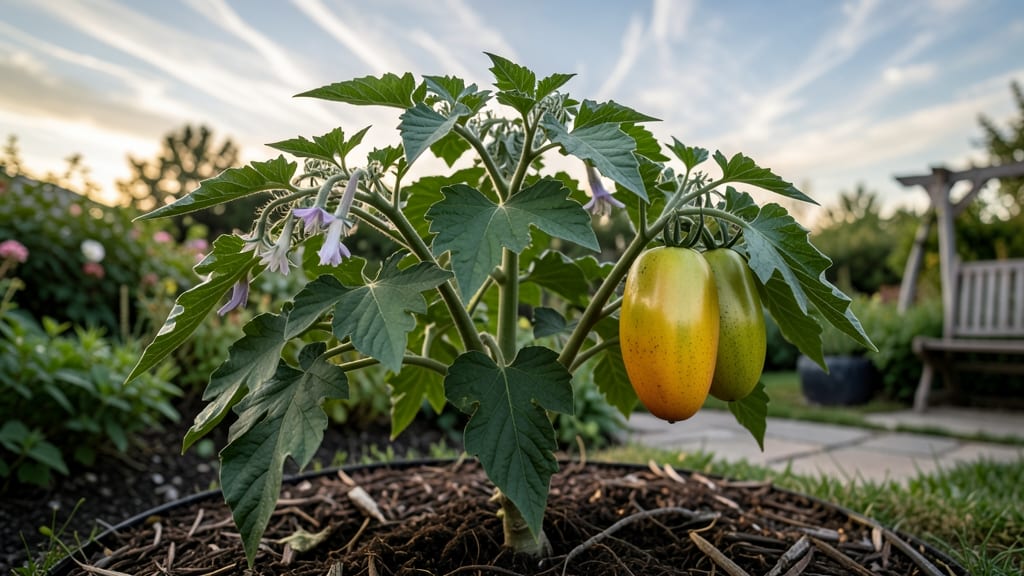
Growing tree tomatoes delivers fruit that tastes like a cross between pineapple and banana. 🌱 I've grown them in containers and in-ground, and the golden orbs are worth every bit of tropical care they require.
These vines aren't your average tomato plant—they're Cyphomandra betacea, a cold-sensitive relative that thrives when treated like a pampered houseplant outdoors. The secret to success starts with soil that drains well but holds moisture—think rich, slightly acidic mix with plenty of organic matter.
They crave sunlight too, needing 6+ hours of direct light daily, but they'll tolerate partial shade in hotter climates. Water consistently without letting them dry out completely, and you'll see those signature heart-shaped leaves and sturdy vines within months.
By late summer or early fall, you'll be harvesting fruit that ripens from green to golden—sweet, tangy, and perfect for eating fresh or cooking. The plants can grow 10-15 feet if left unchecked, so pruning is key to keeping them manageable and productive.
With proper care, you'll get fruit for 2-3 years from a single plant. They're frost-sensitive, so protect them when temperatures dip below 30°F, and watch for pests like spider mites. But the payoff—those golden orbs—makes it all worthwhile. Here's how to get started with your own tropical vine!
📚 In This Guide
- What you need
- Instructions
- Tips and common mistakes
- Wrapping up and next steps
What you need
- ● Tree Tomato Seeds or Saplings: 1–3 plants (seeds take 6–12 months to fruit; saplings fruit faster). Opt for heirloom varieties like ‘Golden Gem’ or ‘Red Sunset’ for vibrant flavors.
- ● Well-Draining Potting Mix: 5–10 gallons per plant. Mix 50% coconut coir, 30% perlite, and 20% compost for optimal drainage.
- ● Large Containers or Garden Space: Containers: 15–20 gallon pots with drainage holes (tree tomatoes need room to sprawl!).
- ● Garden Beds: Full sun (6+ hours/day) and space for vines to climb 10–15 feet.
- ● Support Structure: A sturdy trellis, fence, or bamboo poles to guide vines (tree tomatoes are vigorous climbers!).
- ● Fertilizer: Balanced organic fertilizer (10-10-10 or 5-5-5) or compost tea for slow-release nutrients.
- ● Pruning Shears: Sharp, sterilized shears for trimming vines and removing dead leaves.
- ● Gloves: Heavy-duty gardening gloves (tree tomato vines have thorns!).
- ● Watering Can or Hose: With a gentle spray nozzle to avoid damaging tender leaves.
- ○ pH Test Kit: Optional but helpful—tree tomatoes thrive in slightly acidic soil (pH 5.5–6.5).
- ● Warm Climate: Tree tomatoes (Solanum betaceum) need USDA Zones 9–11 or container-growing in cooler zones (bring indoors in winter).
- ● Humidity: Mimic tropical conditions with 50–70% humidity (use a humidifier or misting system if indoors).
- ● Patience: Seeds take 12–18 months to bear fruit; saplings fruit in 6–12 months.
- ● Mulch (straw or wood chips) to retain moisture and regulate soil temperature.
- ● Copper tape or neem oil to deter pests like aphids or whiteflies.
- ● Grow lights (for indoor growers in cooler climates).
- ● Pollination aid: A small paintbrush to hand-pollinate flowers if indoor-growing.
Step-by-step instructions for cultivating tree tomato vines
Ready to grow these golden tropical orbs? Here's the proven method I've used to coax healthy, productive vines.
🌱 Step 1: Select and Prepare Your Growing Site
Tree tomatoes (Cyphomandra betacea) thrive in warm climates with temperatures between 70-85°F—they won't tolerate frost. Choose a location with full sun to partial shade (at least 6 hours of sunlight daily), as too much direct sun can scorch the leaves. In hotter regions, afternoon shade helps prevent leaf burn.
If growing in containers, select large pots (at least 20 gallons) with drainage holes to accommodate their deep root systems. Fill with well-draining potting mix—tree tomatoes hate soggy roots. Amend the soil with compost or aged manure to enrich it before planting. The goal is loose, fertile soil that mimics their native tropical habitat.
🌿 Step 2: Plant Seeds or Transplants at the Right Time
Start seeds indoors 8-10 weeks before your last frost date in biodegradable pots to avoid root disturbance. Press seeds ¼ inch deep into warm, moist soil and keep them in a humid, warm environment (75-80°F). Germination takes 14-21 days, so patience is key—don't overwater, as excessive moisture can cause damping-off.
For faster results, transplant established seedlings after the last frost. Space plants 6-8 feet apart in the ground or 12-18 inches apart in containers to allow for vigorous growth. Bury the root ball just below soil level and water deeply to settle the soil. Watch for new leaves forming within 2-3 weeks—this signals successful establishment.
☀️ Step 3: Provide Consistent Care for Healthy Growth
Water deeply 2-3 times per week, ensuring the top 2 inches of soil stay moist but not waterlogged. Tree tomatoes are drought-tolerant once established, but young plants need steady moisture. Mulch around the base with 2-3 inches of organic mulch to retain soil moisture and regulate temperature. Avoid letting mulch touch the stems to prevent rot.
Fertilize every 4-6 weeks with a balanced, organic fertilizer (10-10-10) during the growing season. You'll notice rapid vine growth and larger leaves as a response. Prune leggy or overcrowded stems to encourage bushier growth and better fruit production. Always use sterilized pruners to prevent disease spread.
⏰ Step 4: Support Vines and Harvest Golden Orbs
Tree tomatoes produce long, woody vines that need support. Install trellises, stakes, or cages early to guide growth and prevent sprawling. As vines mature, gently tie them to supports with soft plant ties to avoid damaging the bark. You'll see flowers forming in late spring or early summer, followed by small, green fruit that ripens to golden-yellow.
Harvest when fruit reaches full golden color and softens slightly to the touch—this usually takes 6-8 months from planting. Pick carefully to avoid damaging the vines. Store harvested fruit in a cool, dry place for up to 2 weeks, or refrigerate for longer shelf life. The flavor improves after ripening, so let them mature fully on the vine if possible.
Tips & tricks for perfect tree tomato cultivation
Here's what nobody tells you about growing these tropical delights—tricks that'll make all the difference between a struggling vine and a bountiful harvest.
Climate Control: The 70-85°F range is non-negotiable for tree tomatoes. If you're in a cooler climate, consider starting seeds indoors under grow lights to maintain that critical 75-80°F warmth during germination. I've seen seeds fail to sprout when kept in rooms below 70°F—don't make that mistake. For container growers, move pots indoors during cold snaps, even if just for overnight protection.
Root Development Strategy: When planting, bury the root ball just below soil level—this encourages stronger root establishment. For container growers, use pots with at least 20 gallons capacity to accommodate those deep root systems. I've found that adding a handful of perlite to the well-draining potting mix prevents compaction and improves drainage, which tree tomatoes absolutely hate being waterlogged.
Pruning Technique: The key to bushier growth is strategic pruning. Focus on removing leggy stems and overcrowded branches during the growing season. I always use sterilized pruners to prevent disease spread, and I make cuts just above leaf nodes to encourage new growth. Watch for rapid vine growth and larger leaves after pruning—this is your plant responding positively to the intervention.
Harvest Timing: Those 6-8 months until harvest might seem long, but patience pays off. The fruit's golden color and slight softness when touched are your cues—don't rush it! I've learned the hard way that harvesting too early results in bland, underripe fruit. For best flavor, let them mature fully on the vine, even if that means waiting an extra week or two.
Pro Tips for Tree Tomato Fruit
- Here's what nobody tells you about growing these tropical delights—tricks that'll make all the difference between a struggling vine and a bountiful harvest.
- Climate Control: The 70-85°F range is non-negotiable for tree tomatoes.
- Root Development Strategy: When planting, bury the root ball just below soil level—this encourages stronger root establishment.
Frequently asked questions
Got questions about growing and enjoying tree tomato fruit? You’re not alone! Here are some of the most common queries—plus straightforward answers to help you cultivate (and savor) these golden gems like a pro.
How long does it take for tree tomato plants to bear fruit?
Tree tomato plants typically take 12 to 18 months to produce fruit from seed, depending on growing conditions. With proper care—like full sun, well-draining soil, and regular watering—you might see your first golden orbs as early as 9 to 12 months in tropical climates. Patience pays off, but pruning and fertilizing can speed up the process!
Can I eat tree tomatoes raw, or do they need to be cooked first?
Yes! Tree tomatoes are edible raw and taste like a cross between a tomato and a cucumber—crisp, juicy, and slightly sweet. Many people enjoy them sliced in salads, but they’re also delicious grilled, pickled, or blended into sauces. Pro tip: Their skin is edible, but some prefer to peel it for a smoother texture.
Why aren’t my tree tomato flowers turning into fruit?
If your flowers aren’t converting to fruit, check these common culprits:
- Pollination issues: Tree tomatoes are self-pollinating, but wind or insects help. Gently shake the vines or hand-pollinate with a brush.
- Nutrient deficiency: Lack of phosphorus or potassium can stunt fruit set. Use a balanced fertilizer (like 10-10-10) during blooming.
- Temperature stress: Extreme heat (above 95°F) or cold (below 50°F) can drop flowers. Provide shade if needed.
How do I store harvested tree tomatoes to keep them fresh?
Tree tomatoes are highly perishable—store them in a cool, humid place (like a paper bag in the fridge) for up to 5–7 days. Avoid plastic bags, as condensation speeds up rot. For longer storage, pickle them or ferment into sambal (Indonesian chili paste). Fun fact: They’re best eaten within 2–3 days of picking for peak flavor!
Can I grow tree tomatoes in containers, or do they need a garden?
Tree tomatoes thrive in large containers (at least 15–20 gallons) with drainage holes, especially in cooler climates. Use a lightweight potting mix and move pots indoors or to a greenhouse when temperatures drop below 50°F. Just ensure the container gets 6+ hours of sunlight daily—they’re vigorous climbers and need space to sprawl!
Wrapping up and next steps
Growing tree tomato fruit (also known as tamarillo) is a rewarding journey that brings vibrant color, exotic flavors, and a sense of accomplishment to your garden.
Whether you're drawn to their golden orbs, rich nutritional benefits, or the thrill of cultivating a tropical vine, this guide has equipped you with everything you need to succeed—from selecting the right variety to mastering pruning techniques and troubleshooting common challenges.
Now that you’re armed with knowledge, take the next step! Start small with a single vine, experiment with flavors in your kitchen, or even share your harvest with neighbors.
Every tree tomato you grow is a step closer to a flavorful, sustainable future. Happy growing—your taste buds (and garden) will thank you! 🌱✨