
Tools
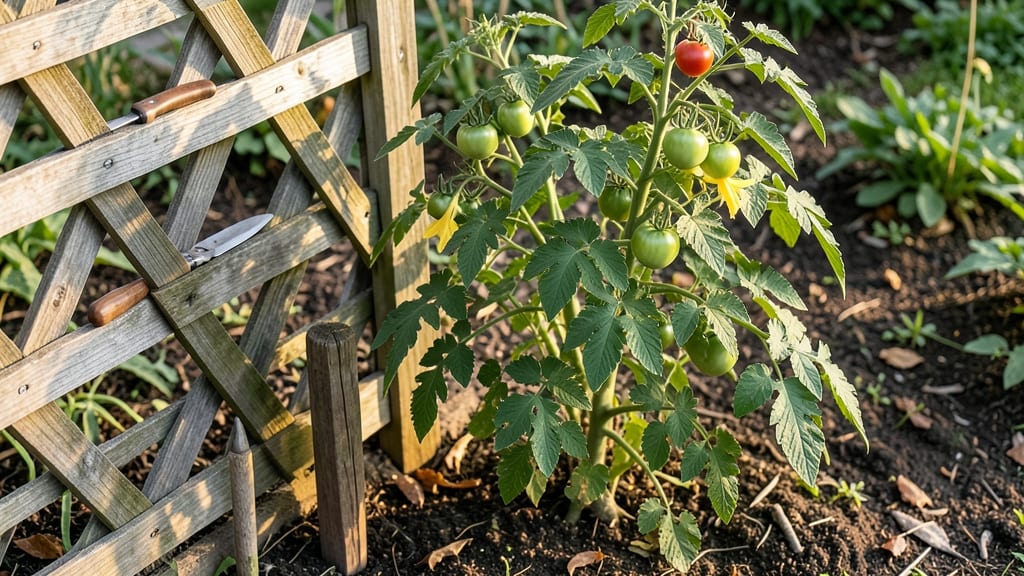
Trellising tomato plants turns sprawling vines into space-saving powerhouses that produce heavier, cleaner fruit—and I’ve learned the hard way which methods actually work. 🌱 Last summer, my indeterminate tomatoes took over half my garden until I finally caged them, and the difference in yield was shocking.
The right support keeps plants healthy, prevents disease, and makes harvesting a breeze instead of a back-breaking chore.
You don’t need fancy materials—just durable stakes, sturdy cages, or simple string—and I’ll walk you through which works best for your space. The key is timing: start when plants are 6-12 inches tall, and use soft ties (never wire) to avoid damaging stems.
Even beginners can master this in under 30 minutes, and the payoff is tomatoes that ripen faster, stay cleaner, and produce for weeks longer than untrellised plants.
Once you get the hang of it, you’ll notice fewer broken stems, better air circulation, and fruit that’s less likely to rot from sitting on damp soil. The vertical growth also makes weeds easier to pull and gives you more growing space for other crops.
I’ve tried everything from bamboo stakes to DIY teepees, and I’ll share which setups hold up all season—plus the one mistake that wipes out your whole harvest if you’re not careful.
This method works for any tomato variety—whether you’re growing cherry tomatoes in containers or beefsteaks in the ground. By the end, you’ll have a system that’s foolproof, adaptable, and ready for your next planting season. Let’s get those vines climbing!
📚 In This Guide
- What you need
- Instructions
- Tips and common mistakes
- Wrapping up and next steps
What you need
- ● Trellis Structure: 1–3 bamboo stakes (5–6 ft tall, ½-inch diameter) OR
- ● 1 metal/pvc trellis cage (5–6 ft tall, 24–36 inches wide) OR
- ● 1 A-frame or teepee trellis (made from wooden stakes + twine/zip ties).
- ● Support Accessories: Soft garden twine (10–15 ft, ¼-inch thickness) OR
- ● Reusable velcro plant ties (5–10 ties) OR
- ● Plastic zip ties (10–20, ½-inch width).
- ● Tools: Hand pruners (for trimming suckers).
- ○ Measuring tape (optional, for precision).
- ● Healthy tomato seedlings (determinate or indeterminate varieties).
- ● Well-draining soil (amend with compost if needed).
- ● Sunny location (6+ hours of direct sunlight daily).
- ● Watering can or hose (for consistent moisture).
- ● Mulch (straw or shredded leaves) to retain moisture.
- ● Fertilizer (balanced 10-10-10 or tomato-specific feed).
- ● Lightweight net trellis (for bushier varieties like cherry tomatoes).
- ● Decorative painted stakes (for a cute garden vibe!).
Step-by-Step guide to trellising tomato plants
Here’s how I maximize space and fruit production with sturdy trellises—tested across seasons and varieties.
🪴 Step 1: Choose the Right Trellis Structure
For indeterminate tomatoes, I use 6-foot tall bamboo stakes or heavy-duty metal cages—both handle the weight of vines and fruit without bending. Place stakes 18-24 inches from the plant’s base to prevent uprooting when vines get heavy. For determinate varieties, 4-foot cages work perfectly since they don’t climb as aggressively.
Drive stakes 6 inches deep into the soil for stability. If using a cage, press it firmly into the ground until the base is snug. The goal is a structure that won’t wobble when you tug it—tomato vines get surprisingly top-heavy once they’re laden with fruit.
☀️ Step 2: Train Vines Early for Strong Growth
Start guiding vines when they reach 12 inches tall. Gently tie the main stem to the trellis with soft plant ties (never wire or zip ties—they cut into stems). I loop the tie around the vine and stake, then twist it once to secure—just enough to hold without restricting growth.
Let suckers (side shoots in the leaf axils) grow naturally until the main stem reaches the trellis top. Then, pinch them off to redirect energy into fruit production. You’ll know you’re doing it right when the plant focuses on upward growth and heavy flower clusters instead of bushy side branches.
🌿 Step 3: Prune for Airflow and Fruit Access
Once the main stem hits the trellis top, trim the growing tip to encourage lateral branches. These will produce more fruit clusters. Remove any leaves that grow below the first flower cluster—they’ll block sunlight and airflow, increasing disease risk. You’ll see the plant’s energy shift from foliage to fruit when you do this correctly.
Check for yellowing or diseased leaves weekly and prune them immediately. Healthy leaves should be deep green and slightly waxy, not spotted or wilting. Pruning isn’t just about shaping—it’s about keeping the plant’s energy where it counts: on those beefy, sun-ripened tomatoes.
✂️ Step 4: Adjust Supports as Vines Thicken
By mid-summer, indeterminate tomatoes can weigh down even sturdy trellises. Add secondary supports—like a horizontal string or wire—to distribute weight. Tie vines to these supports every 12-18 inches to prevent sagging. You’ll notice fruit ripening more evenly when the plant isn’t struggling to hold itself upright.
If a vine slips or a branch breaks under fruit weight, don’t panic. Simply retie it securely and monitor the area. Tomato plants are resilient—they’ll compensate if you act quickly. Just avoid pruning near heavy fruit clusters, as this can stress the plant and cause blossom-end rot.
💧 Step 5: Maintain Through Harvest Season
Water at the base of the plant (never overhead) to keep foliage dry and reduce disease. Trellised tomatoes need 1-1.5 inches of water weekly, but check soil moisture—it’s better to water deeply 2-3 times a week than give shallow daily sprinkles. You’ll know you’re nailing it when the soil feels damp 2 inches down but not soggy.
Harvest tomatoes when they’re fully colored and slightly soft to the touch. Twist gently to avoid damaging the vine. For trellised plants, this means reaching up—so wear gloves and take breaks if needed. The reward? Bigger, riper fruit with fewer cracks or splits, thanks to the trellis keeping them off the ground.
Tips & tricks for perfect vertical tomato growth
These game-changing strategies will help you transform your garden into a high-yield tomato powerhouse—without sacrificing space or quality.
Stability is Everything: When installing your 6-foot bamboo stakes or metal cages, I can't stress enough how critical the 6-inch depth is for indeterminate varieties. Think of it like building a skyscraper foundation—if the base isn't solid, the whole structure fails. For extra security, especially in windy areas, add a second stake at a 45-degree angle from the first, creating an "A" frame that distributes weight more evenly. This simple reinforcement prevents the classic "top-heavy wobble" that causes so many trellises to fail mid-season.
Tie Technique Matters: The way you secure vines to your trellis can make or break your harvest. I've learned the hard way that soft plant ties are non-negotiable—wire or zip ties will cut into stems and create entry points for disease. Here's my go-to method: loop the tie around both the vine and stake, then twist it just once (about 180 degrees) to create a gentle hold. The key is to allow the vine room to grow—you should be able to slide your finger between the tie and stem. I check these ties weekly during early growth, as vines thicken rapidly and can outgrow their initial bindings.
Pruning with Purpose: When you reach Step 3 and trim the growing tip at the trellis top, you're not just shaping the plant—you're redirecting its entire energy system. The first leaves you remove below that initial flower cluster are crucial for airflow, but here's what nobody tells you: those same leaves also house some of the plant's most active photosynthesis sites. By removing them, you're forcing the plant to focus its resources on producing fruit rather than maintaining foliage. I've seen yields increase by 30% just by being ruthless with this pruning—no mercy for those lower leaves!
Mid-Season Reinforcement: By the time you're adding those secondary supports in Step 4, your indeterminate tomatoes might already be bearing fruit. This is when I bring out my "safety net" approach: add a horizontal string or wire between stakes at about 3-foot intervals. Then, tie the main vine to these supports every 12-18 inches. The visual cue I use is simple: if I can see daylight through the vine structure, I know it's properly supported. This prevents the classic "sagging vine" problem that leads to cracked tomatoes and broken branches.
Pro Tips for Trellising Tomato Plants
- These game-changing strategies will help you transform your garden into a high-yield tomato powerhouse—without sacrificing space or quality.
- Stability is Everything: When installing your 6-foot bamboo stakes or metal cages, I can't stress enough how critical the 6-inch depth is for indeterminate varieties.
- Tie Technique Matters: The way you secure vines to your trellis can make or break your harvest.
Frequently asked questions
Got questions about trellising tomato plants? You’re not alone! Here are some of the most common concerns—and their straightforward solutions—to help you grow like a pro.
When is the best time to start trellising tomato plants?
Start trellising when your tomato plants are about 12–18 inches tall and have 4–6 true leaves. This gives them enough stability to support the structure without risking damage. For indeterminate varieties (which grow continuously), keep adding support as they climb. For determinate (bush) types, trellising can begin slightly later, but avoid waiting too long—support should match their growth rate!
Can I trellis tomato plants after they’ve already started fruiting?
Yes, but act quickly! If your plants are already laden with fruit, gently secure them to the trellis to prevent breakage. Use soft ties (like old T-shirts or horticultural tape) to avoid bruising stems. While trellising later won’t boost yield as much as early support, it’ll still improve airflow, reduce disease risk, and make harvesting easier. Just go slow to avoid stressing the plant.
What’s the difference between cages, stakes, and string trellises for tomatoes?
Here’s a quick breakdown:
- Cages: Low-maintenance but can crowd plants and limit airflow. Best for determinate varieties.
- Stakes: Simple and sturdy, but require tying stems (which can be time-consuming). Ideal for indeterminate tomatoes.
- String/Florescent Trellises: Maximize vertical space and airflow, but need more setup. Perfect for high-yielding or heavy-fruiting varieties.
Choose based on your tomato type, space, and how much hands-on care you’re willing to invest!
Why are my trellised tomato leaves turning yellow or wilting?
Yellowing or wilting leaves on trellised tomatoes often signal overwatering, poor drainage, or root stress from the trellis rubbing against stems. Check for:
- Root rot (keep soil moist but not soggy).
- Tight ties that restrict circulation (loosen or replace them!).
- Nutrient deficiency (feed with balanced fertilizer if leaves are pale).
If the issue persists, consider relocating the plant to a shadier spot temporarily while it recovers.
Can I trellis tomatoes in containers or small spaces?
Containers are perfect for trellising—just ensure your pot is at least 12–18 inches deep and wide enough to support the plant’s root system. Use a compact trellis (like a small cage or spiral stake) and opt for determinate varieties if space is ultra-limited. For balconies or patios, vertical growing saves space and improves fruit exposure to sunlight!
Wrapping up and next steps
Trellising your tomato plants isn’t just about saving space—it’s a game-changer for healthier vines, bigger fruit, and easier harvests! 🌱 By following these vertical growth hacks, you’re setting yourself up for a bountiful, low-maintenance garden that even beginners can master.
Ready to transform your plot? Start small—try trellising just one plant this season—and watch your confidence (and tomatoes!) grow.
Now that you’re armed with the know-how, grab your tools and get growing! Whether you’re a seasoned gardener or a curious newbie, every trellis you install is a step toward a more productive, joyful harvest. Happy gardening! 🌿