
Pests
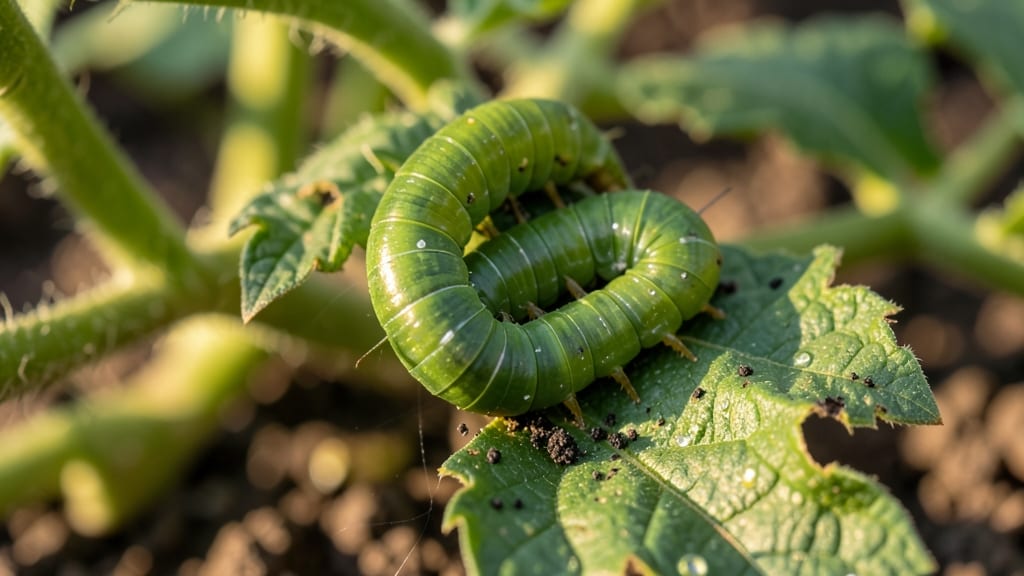
Identifying the types of tomato worms early can save your entire harvest before they even hatch. 🌱 I’ve spent years watching these sneaky pests turn lush tomato plants into skeleton leaves overnight—and I’ve learned which ones are the most destructive (and how to stop them fast).
The worst offenders? Hornworms (with their green camouflage and white stripes) and fruitworms (tiny but relentless). Cutworms lurk at soil level, waiting to sever stems at night, while whiteflies cluster on undersides of leaves.
Each has a distinct life cycle, but they all share one goal: devouring your tomatoes before you even notice. With the right techniques—handpicking, neem oil sprays, or introducing beneficial nematodes—you can reclaim your garden in under 48 hours.
The key is acting at the first sign of damage (chewed leaves, silken webs, or tiny holes in fruit). Works for backyard gardens, containers, or raised beds. Here’s how to spot them and strike back before they multiply.
Root Causes of Tomato Worms
Tomato worms aren’t just a random nuisance—they thrive because of specific conditions that make your plants an all-you-can-eat buffet. Understanding these triggers is the first step to stopping them before they wreck your harvest. Let’s break down the why behind these destructive pests.
Tomato worms, especially hornworms and cutworms, target plants that are already struggling. When tomatoes are overcrowded, their leaves and stems become weak, making them easier prey. Poor air circulation from dense foliage also creates a damp, humid microclimate—perfect for egg-laying moths.
Why it happens:
- Competition for nutrients: Overcrowded plants can’t absorb enough water or fertilizer, weakening their defenses.
- Shade and moisture: Dense canopies trap humidity, speeding up the lifecycle of worm eggs and larvae.
- Stress signals: Damaged or stressed plants emit chemical cues that attract pests looking for an easy meal.
Actionable fix:
- Space tomato plants 18–24 inches apart to improve airflow.
- Prune lower leaves to reduce hiding spots for worms.
- Use mulch (straw or grass clippings) to retain moisture without suffocating roots.
Most tomato worms start as eggs laid by moths like the tomato hornworm moth or colorado potato beetle. These moths are drawn to healthy, flowering tomato plants—especially in warm, humid nights (ideal for egg survival).
Why it happens:
- Floral attraction: Moths use the scent of tomato flowers to locate plants for egg-laying.
- Nighttime visibility: Many moths are nocturnal and use moonlight or artificial lights to navigate, increasing egg drops near illuminated gardens.
- Seasonal peaks: Eggs hatch faster in 70–85°F temperatures, meaning late spring to early summer is prime worm season.
Actionable fix:
- Disrupt mating: Use yellow sticky traps to catch adult moths before they lay eggs.
- Handpick eggs: Check undersides of leaves daily—eggs are tiny (1mm), round, and often laid in clusters.
- Plant trap crops: Grow basil or marigolds nearby to lure moths away from tomatoes.
Tomato worms love hiding in plant debris, weeds, and old crop residues. Cutworms, in particular, overwinter in garden soil or mulch, emerging when new plants sprout.
Why it happens:
- Shelter and food: Decaying organic matter provides moisture and nutrients for worm survival.
- Undisturbed soil: Tilling or removing old plant material disrupts their lifecycle.
- Weed hosts: Some worms (like loopers) feed on weeds before moving to tomatoes.
Actionable fix:
- Clean up thoroughly: Remove all plant debris, vines, and weeds after harvest.
- Rotate crops: Avoid planting tomatoes in the same spot yearly to break worm cycles.
- Use row covers early: Install floating row covers at planting to block moths and eggs.
Tomato worms are cold-blooded—their activity spikes when temperatures rise. Sudden heatwaves can accelerate egg hatching, while cool nights slow their growth (but don’t stop them entirely).
Why it happens:
- Rapid development: Warmth (above 75°F) speeds up larval growth, leading to multiple generations per season.
- Drought stress: Underwatered plants produce smaller, sweeter fruits—more attractive to worms.
- Rainfall patterns: Heavy rain can wash away natural predators (like ladybugs) while creating muddy soil that worms love.
Actionable fix:
- Water deeply but consistently to avoid stressing plants.
- Mulch to regulate soil temp—keep it 60–70°F for optimal plant health.
- Encourage predators: Plant dill, fennel, or parsley to attract parasitic wasps that hunt hornworms.
In a balanced ecosystem, birds, lacewings, and parasitic wasps keep worm populations in check. But pesticides, habitat loss, or monoculture gardens can disrupt this balance.
Why it happens:
- Pesticide overuse: Broad-spectrum sprays kill both pests AND beneficial insects.
- Monoculture planting: Large tomato patches offer no diversity for predator habitats.
- Light pollution: Artificial lights attract moths but repel nocturnal predators like bats.
Actionable fix:
- Avoid chemical sprays—use neem oil or Bacillus thuringiensis (Bt) instead.
- Create predator-friendly zones: Add native plants, birdhouses, or bat boxes.
- Plant companion crops: Basil repels moths, while nasturtiums attract hoverflies (which eat aphids that worms avoid).
Some tomato varieties are less appealing to worms due to hairy stems, strong scents, or natural toxins. Weak or diseased plants, however, are easy targets.
Why it happens:
- Genetic resistance: Varieties like ‘Mountain Merit’ or ‘Cherokee Purple’ have thicker leaves that deter feeding.
- Disease vulnerability: Fungal or viral infections (like early blight) weaken plants, making them more susceptible to worm damage.
- Fertilizer imbalances: Too much nitrogen makes plants soft and tasty to larvae.
Actionable fix:
- Choose resistant varieties—look for ‘Defiant PhR’ (phytophthora-resistant) or ‘Solar Fire’ (heat-tolerant).
- Boost plant immunity: Use compost tea or fish emulsion for balanced nutrition.
- Test soil pH: Aim for 6.0–6.8—worms thrive in slightly acidic to neutral soil.
How to solve it
Discovering worms or larvae munching on your tomato plants can be frustrating, but don’t panic! With the right approach, you can eliminate these pests fast and protect your harvest.
Below, we’ve mapped out practical solutions tailored to each type of tomato worm, along with prevention tips to keep your garden thriving. 🌱🐛
🔥 Hornworms: Handpick and Homemade Sprays
Hornworms are large and easy to spot—often the size of a finger and covered in white stripes or dots. Since they’re nocturnal, check your plants in the morning or evening.
- 👨🍳 Handpick them and drop them into soapy water. Do this daily for a week to break their life cycle.
- 🥘 Use neem oil or BT spray: Mix 1 tbsp neem oil with 1 quart of water and a drop of dish soap. Spray directly on leaves (avoid flowering plants). Reapply every 3-5 days.
- 🐝 Attract beneficial predators: Ladybugs and parasitic wasps love hornworms. Plant dill, fennel, or marigolds nearby to lure them in.
💡 Prevention tip: Remove egg clusters (tiny green ovals on leaves) before they hatch. Check undersides of leaves regularly.
🍳 Colorado Potato Beetle Larvae: Trap Crops and Barriers
These orange, spiky larvae devour tomato foliage quickly. They’re resilient to many sprays, so prevention is key.
- 🌱 Plant trap crops like potatoes or eggplants away from your tomatoes. Beetles will go for these first—remove them daily.
- 🔪 Use physical barriers: Cover young plants with floating row covers (lightweight fabric) until flowers appear. Secure edges with soil.
- 🌡️ Apply diatomaceous earth: Sprinkle food-grade DE around the base of plants. It dehydrates larvae but is harmless to humans. Reapply after rain.
- 🎯 Handpick adults: Crush beetles (not larvae—they’ll regrow!) and dispose of them in soapy water.
✨ Pro tip: Avoid broad-spectrum pesticides—they make beetles more resistant. Opt for kaolin clay (a natural repellent) instead.
🔪 Tomato Fruitworms: Organic Sprays and Sanitation
These pale, hairy caterpillars burrow into tomatoes, causing rot and unsightly damage. Act fast to save your crop!
- 🥘 Spray with spinosad: A natural bacteria-based pesticide (derived from soil microbes). Follow label instructions for best results.
- 🧹 Remove infested fruit: Destroy any tomatoes with holes or tunnels immediately to prevent spread.
- 🌙 Use pheromone traps: Hang traps near plants to disrupt mating. Check weekly and replace traps as needed.
- 🌡️ Apply kaolin clay: Creates a barrier that deters egg-laying. Reapply after rain.
💡 Prevention tip: Rotate crops annually—don’t plant tomatoes, peppers, or eggplants in the same spot every year.
⏰ General Prevention: Keep Worms Out for Good
No garden should suffer from repeated worm attacks. Follow these year-round strategies to stay ahead:
- 🌱 Healthy soil = strong plants: Amend soil with compost and avoid over-fertilizing with nitrogen (it attracts pests).
- 🌿 Companion planting: Grow basil, garlic, or onions near tomatoes—their scents repel many worms.
- 🕵️♂️ Early monitoring: Inspect plants twice weekly, especially after rain (pests are most active then).
- 🧹 Clean up debris: Remove fallen leaves, vines, and old plants at season’s end to eliminate hiding spots for eggs.
- 🌞 Mulch strategically: Use straw or grass clippings (not wood chips) to deter egg-laying moths.
🎯 Golden rule: The sooner you act, the easier it is to control outbreaks. A little daily effort saves your tomatoes—and your sanity!
Frequently asked questions
What’s the most destructive tomato worm and why?
The tomato hornworm is the most destructive—it can devour entire leaves overnight, leaving just the veins. Its large size (up to 4 inches) and fast growth (3 weeks to maturity) make it especially damaging. Look for white diagonal stripes and a "horn" at its rear.
How do I tell if tiny holes in my tomatoes are from worms?
Check for serrated edges on leaves (fruitworms) or chewed leaf skeletons (hornworms). For fruit damage, slice open tomatoes—if you see tiny caterpillars or frass (black droppings) inside, it’s a fruitworm infestation.
Can I use coffee grounds to repel tomato worms?
Yes! Sprinkle used coffee grounds around tomato plants—the caffeine acts as a natural deterrent. Mix with soil or create a barrier at the base. Reapply after rain, as it washes away. Works best for cutworms and fruitworms.
What’s the best time of day to handpick tomato worms?
Early morning (before 7 AM) or late evening (after 7 PM) are ideal. Worms are sluggish then, making them easier to spot and remove. Check undersides of leaves—many hide there during the day to avoid predators.
Will ladybugs eat tomato worms?
Yes! Ladybugs (and their larvae) are voracious predators of smaller worms like fruitworms. To attract them, plant dill, fennel, or marigolds nearby. For hornworms, parasitic wasps (like Cotesia congregata) are more effective—they lay eggs inside the worm!