
Companion Plants
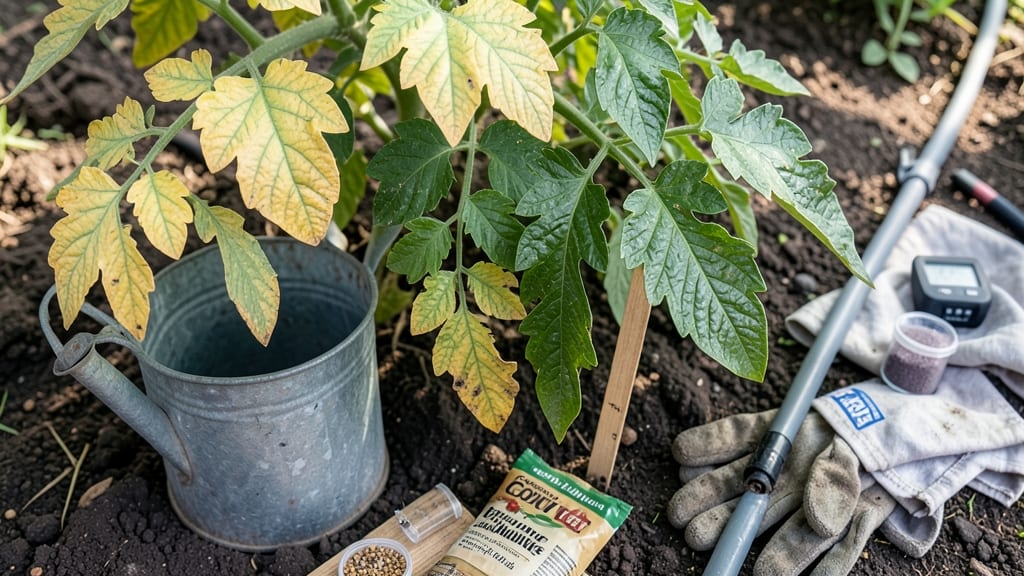
What makes tomato plants turn yellow is usually a clear SOS from your garden—whether it’s overwatering, poor drainage, or even sneaky pests. 🌱 I’ve seen this happen after heavy rains, poor drainage, and even hidden pests—each case needs a different fix. The good news? Most yellowing is reversible if you catch it early and address the root cause (literally). The most common culprits are overwatering (which drowns roots), nutrient deficiencies (especially nitrogen), or fungal diseases like early blight. Check the soil first—it should feel like a damp sponge, not a soggy mess. If the yellowing starts at the bottom leaves, it’s often a water or drainage issue; if it spreads upward with spots, disease might be the villain. You’ll likely see results within a week of adjusting watering or applying compost tea. For severe cases, prune affected leaves and consider a copper fungicide spray. The goal is to revive the plant’s vigor so it keeps producing those juicy tomatoes you’re craving. This works for both container-grown and in-ground tomatoes. If the whole plant yellows and wilts despite your efforts, it might be time to pull and replant—sometimes a fresh start is the only solution.
Root Causes Behind Yellowing Tomato Leaves
Tomato plants turning yellow isn’t just a sad sight—it’s a cry for help from your garden’s star performer! 🌱🍅 Whether it’s the leaves, stems, or even the fruit, yellowing is almost always a sign that something’s off beneath the soil.
Let’s dig into the real culprits—starting with the roots—and uncover why your tomatoes are waving the "yellow flag."
Yellowing leaves often start at the bottom of the plant and spread upward. This is a classic sign of root stress caused by too much water. When soil stays soggy, roots suffocate from a lack of oxygen, leading to anaerobic conditions—a fancy term for "roots drowning."
Overwatering also flushes away essential nutrients like nitrogen, which tomatoes need to stay green and lush.
Why it happens:
- Compacted or clay-heavy soil holds water like a sponge, preventing roots from breathing.
- Lack of drainage in containers or raised beds traps excess moisture.
- Inconsistent watering (e.g., daily light showers) keeps roots in a wet, unstable state.
🔍 How to spot it:
- Leaves yellow evenly (not just veins) and feel soft or mushy to the touch.
- Soil smells sour or rotten when damp.
- New growth is stunted or wilts despite water.
On the flip side, not enough water can also trigger yellowing—especially in hot, dry climates. Tomato plants are thirsty! When roots dry out, they struggle to absorb nutrients, causing leaves to lose chlorophyll (the green pigment) and turn yellow or brown at the edges first.
Why it happens:
- Shallow root systems (common in young plants or container-grown tomatoes) dry out faster.
- High temperatures increase evaporation, pulling moisture from the soil before roots can replenish it.
- Ignoring soil moisture—letting the top 1–2 inches of soil become bone-dry between waterings.
🔍 How to spot it:
- Yellowing starts at the leaf margins (edges) and works inward.
- Leaves may curl or crisp like parchment.
- Soil pulls away from the pot edges (if container-grown) and feels dry and crumbly.
If your tomato plant’s yellowing is paired with black, mushy roots or a foul odor, you’re likely dealing with root rot—a fungal or bacterial nightmare. Overwatering (again!) creates the perfect breeding ground for pathogens like Phytophthora or Pythium, which feast on weakened roots.
Why it happens:
- Chronic soggy soil (especially in cool weather) slows root growth and invites fungi.
- Poor air circulation (e.g., crowded plants or dense mulch) traps moisture.
- Contaminated soil from old compost, infected plants, or reused containers without sterilization.
🔍 How to spot it:
- Yellowing spreads rapidly, often with blackened stems at the base.
- Roots look slimy or decayed when pulled gently from the soil.
- Plant wilts even when watered (a sign roots can’t absorb moisture).
Tomatoes are heavy feeders, and a lack of key nutrients—particularly nitrogen (N)—can turn leaves yellow faster than you can say "salsa disaster." Nitrogen is the building block of chlorophyll, so without it, leaves lose their green hue, starting with the older, lower leaves.
Why it happens:
- Exhausted soil from repeated planting (tomatoes deplete nutrients quickly).
- Improper fertilization—using too much phosphorus/potassium without nitrogen.
- Over-mulching with carbon-rich materials (like untreated wood chips) that "lock up" nitrogen.
🔍 How to spot it:
- Yellowing begins on older leaves (bottom-up pattern).
- Veins stay green while leaf tissue turns pale yellow.
- Stunted growth or small, weak leaves.
Don’t overlook the tiny troublemakers feasting on your tomato roots! Grubs, nematodes, or even cutworms can chew through roots, disrupting water and nutrient uptake. This leads to patchy yellowing and poor plant vigor.
Why it happens:
- Grubs (larvae of beetles) tunnel through roots, severing them.
- Root-knot nematodes create galls on roots, reducing absorption.
- Cutworms sever stems at the base, causing sudden wilting and yellowing.
🔍 How to spot it:
- Yellowing is uneven or localized to certain branches.
- Roots have visible holes, galls, or chewed edges.
- Plant may collapse suddenly (cutworm damage).
Tomatoes are tropical at heart—they thrive in warm soil (60–85°F) and prefer a slightly acidic pH (6.0–6.8). Stress from extreme temps or off-pH soil can stunt root function, leading to yellowing.
Why it happens:
- Cold soil (below 50°F) slows root activity, starving the plant.
- Alkaline soil (pH >7.0) locks out nutrients like iron and manganese, even if they’re present.
- Heat stress (above 90°F) causes roots to "shut down," reducing nutrient uptake.
🔍 How to spot it:
- Yellowing occurs even with proper watering/fertilizing.
- Soil tests reveal pH outside the ideal range.
- Plant struggles in early spring or late fall when temps dip.
Revive your tomatoes fixing yellowing leaves
Now that you know the culprits behind your tomato plants’ yellowing leaves, it’s time to take action! Whether the problem is environmental, pest-related, or rooted in poor health, these solutions will help you nurse your plants back to vigor—and keep them thriving for a bountiful harvest. 🌱🍅
If your soil is soggy and roots are drowning, act fast to save your plants.
Step-by-Step Revival:
- 🌧️ Pause Watering Immediately Let the soil dry out completely before watering again. Stick your finger 1-2 inches into the soil—if it’s still damp, wait another day.
- 🏗️ Improve Drainage Amend the soil with organic matter like compost or coconut coir to help it drain better. For container plants, ensure pots have drainage holes and elevate them slightly.
- 🌿 Prune Damaged Roots (If Needed) If the plant is severely waterlogged, gently remove it from the soil and trim any mushy, black roots. Repot in fresh, well-draining soil.
💡 Prevention Tips:
- Water deeply but infrequently—aim for 1-2 inches of water per week (adjust for climate).
- Use raised beds or mulch to regulate moisture.
- Choose well-draining soil mixes (avoid heavy clay).
If scorching sun or extreme heat is the issue, provide relief and protect your plants.
Quick Cool-Down Solutions:
- 🌳 Provide Shade Temporarily Use shade cloth (30-50%) or move potted plants to a spot with afternoon shade during heatwaves.
- 💦 Boost Hydration Water early in the morning to reduce evaporation. Use drip irrigation or soaker hoses to keep roots cool.
- 🍃 Mulch Like a Pro Spread 2-3 inches of straw or wood chips around the base to retain moisture and cool the soil.
🌡️ Prevention Tips:
- Hardening off seedlings gradually before transplanting.
- Plant heat-tolerant varieties like ‘Solar Fire’ or ‘Heatmaster’ tomatoes.
- Avoid fertilizing during heatwaves—plants focus on survival, not growth.
Pests and pathogens can wreak havoc quickly. Act decisively to stop the spread.
🛡️ Pest Control Plan:
- 🐜 Manual Removal First Handpick aphids, spider mites, or whiteflies and drop them in soapy water. For hornworms, pluck them off and relocate them far from your garden.
- 🌿 Natural Sprays
- Neem oil spray (1 tsp neem oil + 1 tsp mild soap per quart of water) – spray early morning or evening to avoid burning leaves.
- Insecticidal soap for soft-bodied pests like aphids.
- Beneficial nematodes for root-knot nematodes (apply to soil as directed).
- 🍄 Fungal Disease Treatment
- Prune infected leaves and dispose of them in the trash (not compost).
- Apply copper fungicide or a baking soda spray (1 tsp baking soda + 1 quart water + a drop of soap) for early signs of blight.
- Space plants properly (18-24 inches apart) to improve airflow.
🎯 Prevention Tips:
- Rotate crops yearly to prevent soil-borne diseases.
- Remove plant debris after harvest to reduce hiding spots for pests.
- Encourage beneficial insects like ladybugs and lacewings with dill, marigolds, or basil as companion plants.
Yellowing leaves can signal a lack of essential nutrients. Feed your plants the right way.
🍽️ Fertilizer Fixes:
- 📊 Soil Test First Use a home soil test kit to identify deficiencies. Common issues include nitrogen (N), magnesium (Mg), or iron (Fe).
- 💪 Quick Nutrient Boosts
- For nitrogen deficiency (yellow lower leaves): Apply balanced fertilizer (10-10-10) or compost tea.
- For magnesium deficiency (yellow patches between veins): Sprinkle Epsom salt (1 tbsp per gallon of water) and water at the base.
- For iron deficiency (yellow new leaves): Use chelated iron or apply iron sulfate per package instructions.
- 🌿 Organic Alternatives
- Fish emulsion for nitrogen.
- Banana peels (soaked in water for a few days) for potassium.
- Crushed eggshells for calcium.
💡 Prevention Tips:
- Fertilize regularly but avoid overdoing it—too much can burn roots.
- Side-dress with compost mid-season for a slow-release nutrient boost.
- Avoid synthetic fertilizers if possible—opt for organic, slow-release options.
Sometimes, a little TLC is all your tomatoes need to bounce back.
🛠️ All-Around Recovery Steps:
- 🌿 Trim Damaged Foliage Use clean, sharp pruners to remove yellow or diseased leaves—this redirects energy to healthy growth.
- 🌱 Support Weak Plants If stems are weak, stake or cage them for support to prevent further stress.
- 🌞 Ensure Proper Sunlight Tomatoes need 6-8 hours of sunlight daily. If they’re in shade, relocate them to a sunnier spot.
✨ Prevention Tips:
- Monitor plants weekly for early signs of stress.
- Rotate crops to prevent nutrient depletion.
- Keep weeds under control—they compete for nutrients and water.
With these fixes, your tomato plants should start regaining their vibrant green color and focus on producing juicy, flavorful tomatoes instead of fighting for survival. 🍅💚 Stay patient, and soon you’ll be enjoying homegrown harvests like a pro!
Frequently asked questions
Why do only the older leaves turn yellow first?
This is your plant's natural survival strategy! Older leaves yellow first because the plant redirects nutrients to younger, productive growth. It's often a sign of nitrogen deficiency or normal aging—think of it like a tree shedding leaves before winter. If only the lower leaves yellow evenly, check your soil moisture and fertility.
Can I save a tomato plant with yellow leaves caused by overwatering?
Yes, but act fast! First, stop watering immediately and let the soil dry completely. If roots are mushy, trim the damaged parts and repot in fresh, well-draining soil. For containers, ensure proper drainage holes. Most plants recover within 1-2 weeks if you catch it early—just don't let the soil stay soggy again.
What's the difference between yellow leaves from overwatering vs. underwatering?
Overwatered leaves yellow evenly and feel soft/mushy, while underwatered leaves show yellowing at the edges first and may curl. Check the soil: if it's damp to the touch, you're overwatering; if dry and crumbly, it's thirsty. Both problems need opposite fixes!
Will Epsom salt fix all yellow leaves?
No—Epsom salt (magnesium sulfate) only helps if the yellowing shows as interveinal chlorosis (yellow between green veins). For other causes like overwatering or pests, it won't help. Always check the pattern first: bottom leaves? Water issue. Top leaves? Nutrient deficiency. Test your soil pH too—alkaline soil blocks magnesium uptake.
How long until I see improvement after fixing the problem?
Most tomato plants show signs of recovery within 3-7 days if you've addressed the root cause. For severe cases (like root rot), it may take 2-3 weeks