
Plants
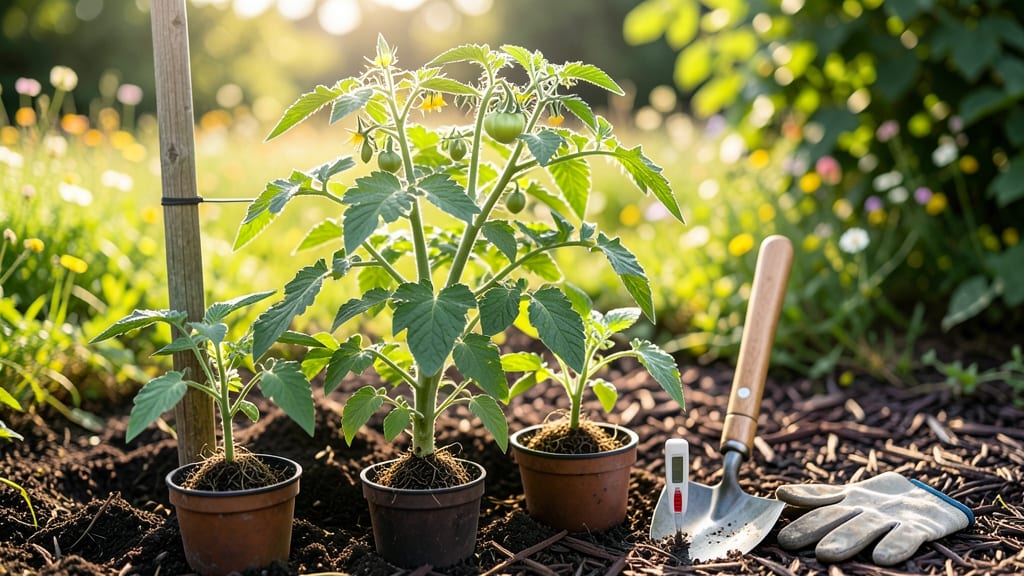
To plant tomato plants in Virginia, aim for after the last frost date — typically mid-April in the Piedmont and late April in coastal areas — but the right timing depends on your region’s microclimate.
Virginia’s varied climate means tomato planting success hinges on knowing exactly when to start — too early risks frost damage, while late planting cuts harvest time. Here’s your region-by-region guide to timing tomato transplants for maximum yield.
In USDA zones 7a-8a, most gardeners wait until soil temperatures hit 60°F and the air stays reliably above 50°F at night. Coastal areas like Norfolk can plant a week earlier, while mountain regions near Roanoke may need to wait until early May.
Below, I break down the best planting windows for seedlings vs. seeds, how to adjust for urban heat islands, and which tomato varieties thrive in Virginia’s 90-120 day growing season.
Virginia’s frost-free dates by region: when to plant tomato transplants
Virginia’s diverse geography—from coastal plains to mountain valleys—creates wildly different last frost dates. Planting tomatoes too early in Zone 5a can mean frost-killed seedlings, while waiting too long in Zone 7b shortens your harvest window. Let’s break down the ideal transplant windows for each region, including adjustments for microclimates.
Most Virginia gardeners follow the USDA hardiness zone map, but local weather patterns often shift these dates by 1-3 weeks. For example, Norfolk’s coastal zone warms faster than Roanoke’s Piedmont, while Mountain regions near Bristol can experience late frosts well into May.
Always confirm with your local Cooperative Extension Service for the most accurate frost-free date each year.
Here’s your region-by-region guide to planting tomato transplants, including soil temperature requirements (60°F minimum) and recommended varieties for each zone. Use this as your starting point, then adjust based on your specific microclimate.
| Region/Zone | Avg. Last Frost | Soil Temp (60°F+) | Transplant Window | Late Varieties (90+ days) |
|---|---|---|---|---|
| Coastal (Zone 7b-8a) | March 15-April 1 | Early March | March 20-April 15 | Celebrity, Better Boy |
| Piedmont (Zone 7a) | April 1-15 | Mid-April | April 15-May 1 | Early Girl, Mountain Merit |
| Valley (Zone 6b-7a) | April 10-May 1 | Late April | May 1-15 | Patio, Stupice |
| Mountains (Zone 5b-6a) | May 1-15 | Early May | May 15-June 1 | Glacier, Bush Early Girl |
| All Regions (Succession) | N/A | N/A | June 15-July 15 | Sun Gold, Sweet 100 |
For Zone 7b coastal areas like Virginia Beach, you can start transplanting as early as March 20, giving you a 120-day growing season. In contrast, Zone 5b mountain regions near Blacksburg should wait until May 15 to avoid late frosts.
Always harden off seedlings for 7-10 days before transplanting to prevent shock.
Pro tip: Use row covers or cold frames to extend your planting window by 2-3 weeks in cooler zones. This lets you transplant earlier or push your season later for a longer harvest. Just remove covers when flowers appear to prevent heat stress.
If you’re growing heirloom varieties with longer maturity dates (like Brandywine at 90+ days), focus on planting in Zone 7a or warmer. For high-altitude areas, opt for determinate varieties like Mountain Merit, which mature faster in shorter seasons.
Remember: Soil temperature matters more than air temperature. Use a soil thermometer to confirm readings of 6
How to adjust tomato planting time for Virginia’s microclimates
Virginia’s diverse geography creates microclimates that can shift tomato planting windows by weeks—sometimes even months. Urban heat islands in Richmond or Norfolk bake earlier than mountain valleys in Roanoke, while coastal areas near Virginia Beach experience delayed springs due to ocean breezes.
Understanding these variations helps you avoid frost damage or missed harvests.
For example, my high-altitude garden in Blacksburg (USDA Zone 6b) often waits until May 15 to plant tomatoes, while my friend in Alexandria (Zone 7b) starts transplants by April 15. The difference? Elevation and urban heat retention. Even within 100 miles, your planting timeline might need a 3-week adjustment.
⚠️ callout-warning ⚠️
🌡️ Microclimate Mistakes to Avoid
- ❌ Planting too early in valleys: Cold air pools at lower elevations—wait for consistent 60°F soil temps.
- ❌ Ignoring coastal delays: Ocean breezes push back last frost dates by 2-3 weeks near shorelines.
- ❌ Skipping heat island prep: Urban areas need extra mulch to prevent soil from overheating before planting.
Pro tip: Use a soil thermometer—tomatoes won’t thrive below 55°F nighttime temps.
To extend your growing season in marginal areas, I recommend row covers for early starts. In my Piedmont garden (Zone 7a), I use floating row covers until May 1 to protect seedlings from late frosts.
For coastal gardens, these covers also shield plants from salty ocean winds that can stress young tomatoes.
Cold frames work wonders in high-altitude valleys like those in the Shenandoah Valley. I’ve successfully planted tomatoes in late April by using a cold frame to maintain 5°F above ambient temps. The key is removing the frame when daytime temps hit 70°F to prevent overheating.
Don’t overlook succession planting for coastal and urban gardens. Since heat islands mature faster, I plant a second batch of determinate varieties (like 'Early Girl') in late May. This ensures a continuous harvest through October, even when late-season heat arrives.
For coastal breeze zones, choose wind-resistant varieties like 'Celebrity' or 'Mountain Merit'. These hold up better against salt spray and gusts. Pair them with windbreaks made of bamboo stakes or evergreen shrubs to create a microclimate shield.
Remember: Your local extension office has hyper-local data. I always cross-check my adjustments with their frost-free date maps. With these tweaks, you’ll turn Virginia’s microclimates into advantages—not obstacles—for your tomato harvest. 🌱