
Plants
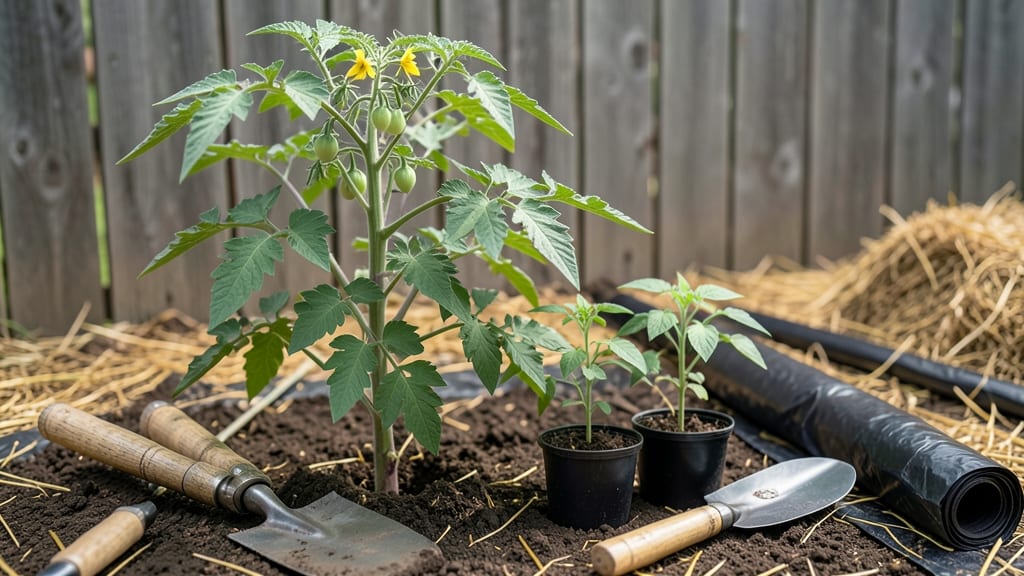
Plant tomato plants in Houston after your last frost date in mid-February, or opt for a fall transplant in late August to beat the worst summer heat 🍅.
Houston’s scorching summers and unpredictable spring weather make timing critical for growing tomatoes—plant too early and risk frost damage, too late and face blistering heat. Mastering the perfect planting window ensures a bountiful harvest of juicy, vine-ripened tomatoes all season long.
With 270 frost-free days, Houston’s climate is ideal for two planting seasons: an early spring start in February-March and a late-summer transplant in August-September. The key is avoiding extreme heat, which can stress young plants and stunt growth.
Below, I’ll break down the exact month-by-month timeline, the best heat-resistant varieties for Houston’s Zone 9a, and how to extend your growing season without risking heat stress or disease.
Houston’s ideal tomato planting timeline by month (with heat-tolerant varieties)
Timing is everything when growing tomatoes in Houston, where frost-free days stretch from mid-January to mid-December but summer heat can quickly stress plants. The key is planting during optimal temperature windows—either in early spring (February-March) or late summer (August-September) for a fall harvest.
Houston’s USDA Zone 9a climate allows for two growing seasons, but heat tolerance is critical for success.
Start by avoiding transplant shock during peak summer heat (above 90°F), which can stunt growth. Instead, focus on heat-resistant varieties like 'Heatmaster' or 'Solar Fire' that thrive in Houston’s humid, high-temperature conditions. These varieties not only survive but also produce flavorful fruit even when temperatures soar.
Here’s your month-by-month planting guide, including the best varieties for each window and critical care tips to maximize your harvest:
For spring planting, focus on February-March when soil temperatures stabilize above 60°F. This window aligns with Houston’s last frost date (around January 15), giving seedlings time to establish roots before summer heat arrives.
Varieties like 'Arkansas Traveler' and 'Heatmaster' are ideal—they handle Houston’s humidity and heat while delivering sweet, flavorful fruit.
If you prefer fall tomatoes, August-September is your best bet. Plant heat-tolerant varieties like 'Solar Fire', which continues producing even as temperatures dip. Use black plastic mulch to warm the soil and shade cloth during heatwaves to prevent stress.
This approach extends your harvest into October or November, just before the first frost.
One common mistake is planting too late in spring (April-July), when temperatures exceed 90°F. Tomatoes struggle in extreme heat, leading to blossom drop and poor fruit set. Instead, prioritize <
How to extend Houston’s tomato growing season without risking heat stress
Houston’s 90°F+ temperatures can turn your tomato plants into crispy snacks if you’re not careful. But with the right strategies, you can extend your harvest well beyond the traditional spring window.
The key is timing and heat management—starting seeds indoors, using shade cloth, and smart watering techniques can keep your plants thriving even when the mercury soars.
I’ve grown tomatoes in Houston for years, and the difference between a meager harvest and a bountiful one often comes down to these simple adjustments. Whether you’re a first-time gardener or a seasoned pro, these methods will help you avoid heat stress while maximizing your yield.
Let’s dive into the tactics that work best in our humid, hot climate.
⚠️ callout-warning
Never transplant tomato seedlings when temperatures exceed 90°F. Even heat-tolerant varieties like 'Heatmaster' will suffer from transplant shock and blossom drop. Instead, start seeds indoors 6-8 weeks before your target outdoor date (late February or August for fall planting) and harden them off gradually when nighttime temps drop below 80°F.
One of the most effective ways to beat Houston’s heat is by starting your tomato seeds indoors in late winter. Use grow lights or a sunny windowsill to give seedlings a 6-8 week head start before transplanting.
This ensures they’re stronger and more established by the time outdoor temperatures rise. I recommend using biodegradable pots to avoid disturbing roots during transplanting, and always keep the soil consistently moist but not soggy.
Once your seedlings are ready for the garden, shade cloth becomes your best friend. A 30-50% shade cloth can reduce soil temperatures by 10-15°F, protecting young plants from heat stress.
Install it on trellises or hoops above your plants, and remove it gradually as they acclimate to full sun. For determinate varieties (like 'Celebrity'), you can leave shade cloth in place until fruit sets, then remove it to encourage ripening.
Mulching is another game-changer in Houston’s climate. Apply a 3-4 inch layer of straw or wood chips around your tomato plants to retain moisture and regulate soil temperature. This keeps roots cool and hydrated during peak afternoon heat.
I’ve seen mulched plants produce 30% more fruit than unmulched ones in the same conditions. Just be sure to keep mulch away from the stems to prevent rot.
Watering techniques make all the difference in Houston’s humid heat. Deep watering in the morning (before 10 AM) ensures roots get the moisture they need without promoting fungal diseases like blight.
Aim for 1-2 gallons per plant every 2-3 days during summer, and always water at the base of the plant rather than overhead. Drip irrigation systems are ideal—they deliver water consistently and efficiently while keeping foliage dry.
Finally, don’t forget to prune strategically. Remove suckers (side shoots) regularly to improve airflow and reduce stress on the plant. For indeterminate varieties, prune lower leaves to prevent soil-borne diseases and focus energy on fruit production.
With these techniques, you can extend your tomato season from spring to fall—even in Houston’s brutal heat! 🌱