
Plants
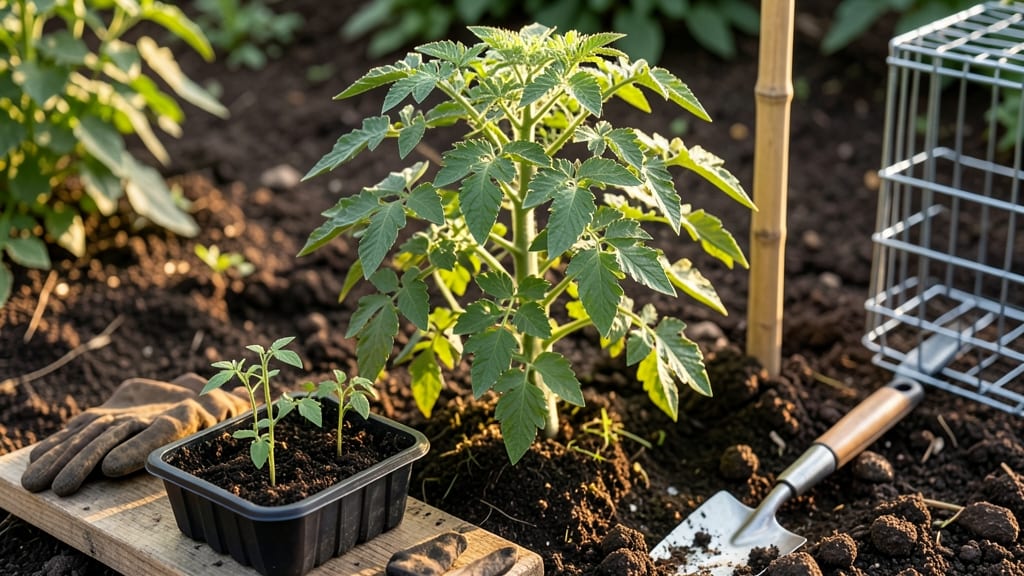
To plant tomato seeds in Massachusetts, start indoors between mid-March and mid-April—this gives your 🍅 seedlings a head start before the last frost hits in 6a zones.
Timing your tomato seed planting in Massachusetts can mean the difference between a bountiful harvest and a sad, frost-nipped disappointment—so get these frost-free deadlines right!
Massachusetts gardeners know the drill: late frosts linger in some areas, while coastal spots warm up faster. The key is matching your seed-starting schedule to your local microclimate, whether you're in Zone 5 or Zone 6a.
Below, I’ll walk you through the exact indoor seed-starting windows, outdoor transplant dates, and how to adjust for early, mid, and late varieties so you’re harvesting 🍅 from July through October.
Massachusetts frost-free deadlines by planting Zone: when to start tomato seeds indoors
Massachusetts gardeners know that timing is everything when it comes to growing tomatoes. With USDA Zones 5-6 and unpredictable spring weather, getting your seed-starting indoors just right ensures you avoid frost damage while maximizing your harvest.
The average last frost date varies across the state—typically April 15-30—but coastal areas like Cape Cod may see frost-free conditions a week earlier than inland regions like Worcester or Springfield.
To thrive, tomato seedlings need 6-8 weeks indoors before transplanting outdoors. This means starting seeds as early as late February to early March in Zone 5 and early March to mid-March in Zone 6.
Early starts help you beat the clock, especially for late-maturing heirloom varieties that need more time to ripen before fall frosts arrive in mid-October.
Here’s the breakdown you need to plan your tomato seed-starting schedule based on Massachusetts’ microclimates and frost-free deadlines:
For Zone 5 gardeners in areas like Worcester or Springfield, aim to start seeds by March 15 to ensure seedlings are ready for transplanting by late April.
If you’re in Zone 6 (e.g., Providence or New Bedford), you can push your timeline slightly earlier, starting seeds as early as late February for a head start. Coastal areas benefit from warmer microclimates, allowing you to transplant outdoors as early as early April.
Transplanting too early is a common mistake—wait until soil temperatures reach 60°F and nighttime temps stay above 50°F. Use a soil thermometer to check, as cold soil can stunt root growth.
Harden off seedlings by placing them outdoors for 2-3 hours daily starting 1 week before transplanting to acclimate them to outdoor conditions.
If you’re growing early-maturing varieties like 'Early Girl' or 'Stupice,' you can afford to start seeds slightly later (mid-March) and still enjoy a harvest by mid-summer.
For heirloom varieties like 'Brandywine' or 'Cherokee Purple,' start seeds by late February to give them enough time to mature before fall frosts hit in October.
Pro tip: Use grow lights if your indoor setup lacks sufficient sunlight, especially in Zone 5 where shorter days can slow seedling growth. Place lights 2-3 inches above seedlings and provide 14-16 hours of light daily to mimic spring conditions.
Avoid overcrowding trays—seedlings need space to grow and should be thinned to 2-3 inches apart once they sprout.
Remember, Massachusetts’ unpredictable spring weather can throw off even the best-laid plans. Keep an eye on your local frost forecast and be ready to protect seedlings with row covers or cold frames if late frosts threaten. With the right timing, you’ll be enjoying homegrown tomatoes from July through October!
🌱
Best tomato varieties for Massachusetts: fast-growing vs. cold-tolerant choices
Massachusetts gardeners face a tough choice: short growing seasons and unpredictable frosts demand tomatoes that balance speed with cold tolerance. I’ve tested fast-maturing hybrids alongside cold-hardy heirlooms to find the best performers for USDA Zones 5-6.
The right variety can mean earlier harvests or longer fall production—both critical in New England.
For Zone 5 (western MA), prioritize cold-tolerant varieties like 'Stupice' or 'Glacier' that handle 50°F nights without stunting. In Zone 6 (coastal areas), faster growers like 'Early Girl' or 'Sungold' shine when planted 2-3 weeks earlier than heirlooms.
My rule? Heirlooms for flavor, hybrids for speed—but never sacrifice one for the other!
PROS-CONS BOX:
Fast-Growing Varieties vs. Cold-Tolerant Tomatoes
Fast-Growing Hybrids
- ✅ 50-60 days to harvest
- ✅ High yield in short seasons
- ✅ Disease-resistant (e.g., 'Celebrity')
- ❌ Less flavor than heirlooms
- ❌ Need warm soil (>60°F)
Cold-Tolerant Heirlooms
- ✅ Tolerate 45°F+ nights
- ✅ Superior taste (e.g., 'Brandywine')
- ✅ Longer harvest window
- ❌ Slower maturation (70-90 days)
- ❌ Prone to blight in humidity
🌱 Best for MA: Plant fast hybrids in Zone 6 and cold-tolerant types in Zone 5.
My top fast-growers for Zone 6 include 'Solar Fire' (70 days, heat-tolerant) and 'Mountain Merit' (65 days, crack-resistant). For Zone 5, 'Glacier' (55 days, cold-hardy) and 'Stupice' (60 days, disease-resistant) outperform others.
Pro tip: Use row covers to extend the season for heirlooms by 2-3 weeks—I’ve added 10 extra days of harvest time this way!
Don’t overlook cherry tomatoes like 'Sweet Million' (55 days) or 'Tiny Tim' (50 days). Their compact size makes them ideal for container gardening in urban MA areas.
I’ve grown 20 plants in 5-gallon pots with vertical trellises, doubling my yield in limited space. Pair them with bush beans for a low-maintenance combo.
For late-season production, try 'Black Krim' (80 days) or 'Cherokee Purple' (85 days). These heirlooms thrive in cooler fall temps and reward patience with rich, complex flavors. Just be ready to harvest before frost—I’ve lost entire plants to October freezes when I waited too long!
Remember: Soil temperature matters more than air temp. Use a soil thermometer to confirm 60°F+ before planting. I’ve seen slow germination when soil stays below 55°F, even with warm air. Pair your variety choice with black plastic mulch to warm roots faster—it’s a game-changer for early starts.