
Planting
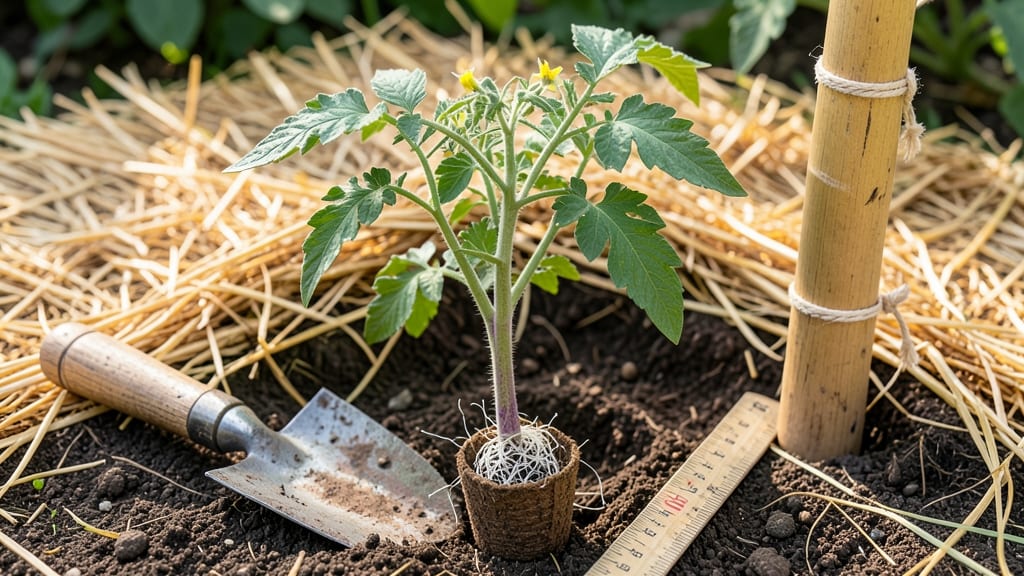
Planting tomato seedlings how deep to plant tomato seedlings—about 2 inches below the soil—sets the stage for a strong, productive plant 🍅.
Too shallow, and their roots struggle to anchor; too deep, and the stem risks rotting. I’ve seen both mistakes leave gardeners with stunted plants and fewer tomatoes by harvest time, and the fix is simpler than you’d think.
This guide breaks down the science behind the 2-inch rule, how to adjust for seedling size, and what to watch for after planting—so you avoid common pitfalls and give your tomatoes the best start.
You’ll learn how soil type, variety, and even weather play a role, plus step-by-step instructions to plant with confidence for a bountiful season.


The 2-Inch rule for planting tomato seedlings: why depth matters for root development
When transplanting tomato seedlings, the 2-inch rule isn't just a suggestion—it's a science-backed guideline that ensures robust root development. Planting too shallow exposes delicate roots to drying winds, while burying too deep can suffocate stems and trigger rot.
The ideal depth balances soil aeration, moisture retention, and stem stability, setting the stage for a productive harvest.
Tomato roots need space to spread horizontally and vertically. A 2-inch-deep planting hole allows roots to establish quickly while keeping the seedling's stem upright. This depth also prevents soil from smothering the plant's lower leaves, reducing disease risk.
Think of it as creating a cozy, well-ventilated environment for roots to thrive.
Here's the key: the top of the planting hole should align with the seedling's first true leaves, not the soil line from the nursery pot. This ensures the stem remains exposed to sunlight while roots dive into nutrient-rich soil.
Over time, the plant will naturally bury itself as it grows, but that initial 2-inch depth is your foundation.
Soil composition plays a critical role. Loamy soil with good drainage works best, as it holds moisture without becoming waterlogged. If your soil is heavy clay or sandy, amend it with compost to improve structure.
The right soil mix ensures roots get both air and water—two essential ingredients for strong growth.
Let's break down what happens when you get the depth wrong. Planting too shallow (less than 1 inch) leaves roots exposed, leading to dry soil and poor nutrient uptake. The seedling may wilt or struggle to anchor itself.
On the flip side, burying too deep (more than 3 inches) can cause the stem to rot or develop weak, girdling roots that strangle the plant.
| Planting Depth | Root Development Impact | Soil Conditions | Plant Health Risk |
|---|---|---|---|
| Too Shallow (<1") | Roots exposed, stunted growth | Dries out quickly | Wilting, poor anchoring |
| Ideal (2") | Strong root spread, healthy growth | Moisture retained, aerated | Minimal disease risk |
| Too Deep (>3") | Girdling roots, suffocation | Compacted, waterlogged | Stem rot, weak stems |
The 2-inch rule also accounts for the seedling's natural growth pattern. As tomatoes grow, they'll develop deeper roots on their own, but that initial depth gives them the confidence to explore downward.
This is especially important for indeterminate varieties, which need strong root systems to support their vining habit and heavy fruit loads.
Another benefit of proper depth is stem stability. A seedling planted at the right depth stands upright, reducing the risk of lodging (falling over) later in the season. This is crucial for tall, indeterminate tomatoes that can reach 6 feet or more.
A sturdy start means less work for you when it comes to staking or caging.
Don't forget about moisture retention. Soil at the 2-inch depth holds water more effectively than shallow soil, which dries out faster. This is particularly important during hot afternoons when evaporation is high. Proper depth ensures your seedlings stay hydrated, reducing stress and promoting faster recovery after transplant shock.
For container-grown tomatoes, the 2-inch rule still applies, but adjust slightly for pot size. In small containers, aim for a 1.5-inch depth to prevent root circling. Larger pots can accommodate the full 2 inches. Always use well-draining soil to prevent waterlogging, which can be deadly for roots.
Once planted, give your seedlings a good deep watering to settle the soil and eliminate air pockets. This helps roots make immediate contact with moist soil, encouraging them to spread outward. Avoid overwatering, though—soggy soil can suffocate roots just as much as dry soil.
Remember, the 2-inch rule is your first step toward a bountiful tomato harvest. When combined with proper spacing, sunlight, and care, it sets the stage for healthy plants that produce juicy, flavorful tomatoes all season long.
Now that you understand the science, it's time to get your hands dirty and plant with confidence!
Step-by-step guide: how to plant tomato seedlings at the perfect depth
Getting the planting depth right for your tomato seedlings is one of the most overlooked steps that can make or break your harvest. Too shallow, and the roots won’t anchor properly; too deep, and the stem may rot or struggle to emerge.
The 2-inch rule is your golden standard, but proper technique matters just as much as the measurement. Let’s break it down so you can plant with confidence and watch your tomatoes thrive.
Before you dig, gather your essential tools: a trowel, gloves, a watering can, and stakes (if your variety needs support). Work in the early morning or late afternoon to avoid stressing the seedlings in direct sun.
If your soil is heavy or compacted, loosen it first with a fork to encourage root growth. This prep work ensures your seedlings have the best chance to establish themselves quickly and strongly.
Step-by-Step Planting Guide
- 1 Prepare the hole: Dig a hole twice as wide as the seedling’s root ball and 2 inches deep. Loosen the soil at the bottom to encourage roots to spread.
- 2 Remove the seedling: Gently take the seedling from its container, holding it by the base of the stem. Shake off excess soil to check the root ball—it should be intact and moist.
- 3 Position the seedling: Place the seedling in the hole so the top of the root ball sits just below soil level. The lowest set of leaves should be 1 inch above the soil to prevent rot.
- 4 Backfill the soil: Gently fill the hole with soil, pressing lightly to remove air pockets. Avoid compacting too firmly, as this can restrict root growth.
- 5 Water thoroughly: Give the seedling a deep watering to settle the soil and eliminate air gaps. Use a watering can with a gentle spray to avoid dislodging the soil.
- 6 Add support if needed: Insert a stake or cage into the soil next to the seedling, gently pressing it in so it doesn’t damage the roots. Secure the seedling to the stake with soft ties if necessary.
- 7 Mulch the base: Apply a 2-inch layer of mulch around the seedling (but not touching the stem) to retain moisture, suppress weeds, and regulate soil temperature.
Avoid these common mistakes that can derail your seedlings: planting too deep (burying the stem above the soil line) or too shallow (leaving roots exposed). Also, skip the urge to pack the soil tightly—roots need room to breathe and grow.
If your seedlings look stressed after planting, give them a light shade for a day or two while they adjust to their new home.
Once planted, keep an eye on your tomato seedlings for the first week. Water consistently, but avoid overwatering, which can lead to root rot. If the soil feels dry an inch below the surface, it’s time to water again.
With the right depth and care, your seedlings will establish strong roots and grow into productive plants ready for a bountiful harvest.