
Pests and Diseases
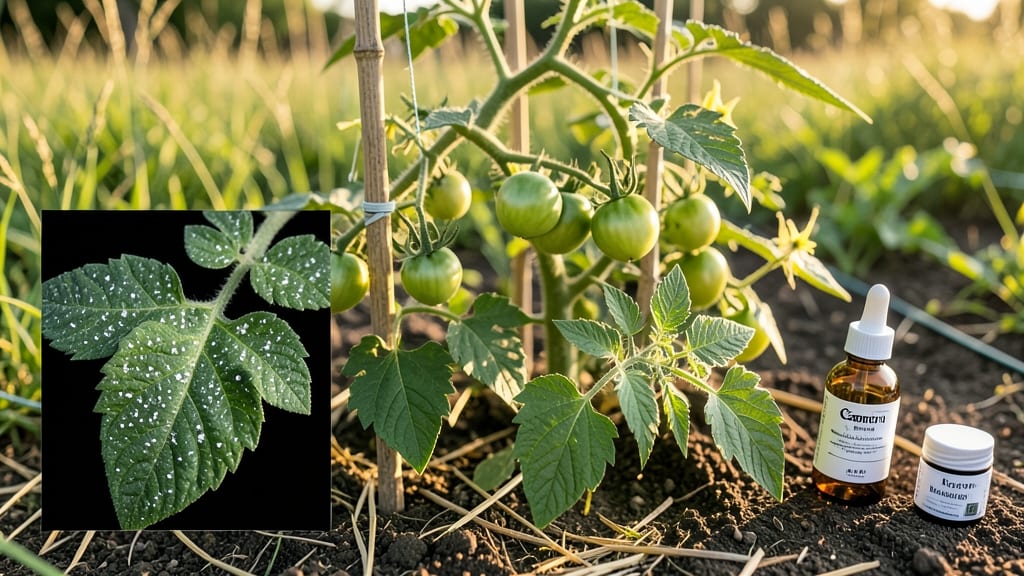
White dots on tomato leaves mean one thing: your plants are under attack. 🌱 I’ve seen this turn into a full-blown aphid infestation before, but the good news is you can stop it fast with the right moves.
These tiny pests cluster on undersides, sucking sap and leaving behind sticky residue that attracts ants and sooty mold.
The culprits are usually aphids, spider mites, or whiteflies—all of which thrive in hot, dry weather. Powdery mildew can also cause white dots, but it feels more like dust than tiny moving specks. The key is acting fast: if you wait, your plant’s energy gets drained, and fruit quality suffers.
Here’s the game-changer: a 3-step fix that works in under 30 minutes. First, blast off pests with a strong spray of water (aphids hate this). Then, apply neem oil or insecticidal soap—both smother pests without harming your tomatoes.
Finally, boost plant health with a balanced fertilizer to help it bounce back stronger.
Prevention is easier than cleanup: keep plants well-watered, prune for airflow, and introduce ladybugs or lacewings to your garden. They’re nature’s pest control and will save you from future battles. Trust me, once you’ve seen a tomato plant recover from this, you’ll never ignore those first white dots again.
Root Causes of Leaf Spots
White dots on tomato leaves are rarely just a random quirk of nature—they’re usually a sign of stress or pest activity. Understanding the why behind these marks is the first step to fixing the problem.
Below, we break down the most common culprits, from microscopic invaders to environmental factors, with clear explanations of how they trigger these spots.
Fungal infections are a leading cause of white dots on tomato leaves, often appearing as powdery mildew or early blight. These fungi thrive in warm, humid conditions and release spores that land on leaves, forming white or grayish spots.
- Powdery Mildew 🍄: This fungus creates a white, powdery coating on leaves, blocking sunlight and stunting growth. It spreads quickly in crowded plants or poor airflow. - Early Blight 🌡️: Caused by Alternaria solani, this fungus produces concentric white or tan rings on leaves, often with dark borders.
It thrives in wet, warm soil and splashes up onto foliage during watering.
Why it happens: Fungal spores are always present in soil or air, but they only become problematic when conditions are ideal—high humidity (above 75%), poor air circulation, or overwatering. Once established, they weaken plants, making them more susceptible to other pests.
Some white dots aren’t spots at all—they’re pest eggs, scales, or insect waste. Tiny insects like whiteflies, aphids, or spider mites lay eggs or excrete honeydew (a sticky substance that turns white with mold).
- Whitefly Eggs 🐛: These insects lay tiny white oval eggs on the undersides of leaves, which can appear as dots. They hatch into nymphs that suck plant sap, further stressing the plant. - Scale Insects 🛡️: These pests secrete a white, waxy coating that looks like dots.
They attach to leaves and stems, draining nutrients and leaving behind a sticky residue. - Aphid Honeydew 🍯: Aphids excrete honeydew, which attracts sooty mold—a black or white fungal growth that coats leaves in a fuzzy layer.
Why it happens: Pests are drawn to soft, new growth and thrive in dry, warm conditions. Over-fertilizing (especially with nitrogen) can attract them, as can weakened plants from poor watering or disease.
Not all white dots are biological. Sometimes, they’re a physical response to stress from sunburn, mineral buildup, or improper watering.
- Sun Scorch ☀️: Young or transplanted tomato plants can develop white or bleached patches from too much direct sunlight, especially after sudden exposure. - Mineral Deposits 💧: Hard water with high calcium or magnesium can leave white crusty spots on leaves, particularly near the edges.
This is common in greenhouses or areas with well water. - Water Stress 💦: Overwatering can cause white, mushy spots (edema) from poor drainage, while underwatering may lead to dry, white-tipped leaves from dehydration.
Why it happens: Tomatoes are sensitive to sudden changes in their environment. Poor drainage, extreme heat, or inconsistent watering disrupt their ability to absorb nutrients, leading to visible stress marks.
Excessive or improper use of fertilizers, pesticides, or herbicides can cause white, necrotic (dead) spots on leaves. This is often called chemical burn.
- Salt Buildup 🧂: Over-fertilizing with high-salt fertilizers (like synthetic blends) can leave white crystalline deposits on leaves, disrupting photosynthesis.
- Pesticide Residue 🛡️: Some chemical sprays can cause white, bleached patches if applied incorrectly (e.g., on hot, windy days or at high concentrations).
- Herbicide Drift 🌱: If nearby weeds are sprayed with herbicides, volatile chemicals can drift onto tomato leaves, causing white, dead spots.
Why it happens: Plants absorb nutrients through their leaves, and too much of a good thing (or the wrong thing) can clog stomata (pores), leading to cell death and white markings.
While less common, viruses or bacteria can cause white spots or patterns on tomato leaves, often accompanied by other symptoms like yellowing, curling, or stunted growth.
- Tomato Mosaic Virus 🦠: This virus causes white or yellow mottling on leaves, along with distorted growth. It spreads via infected tools, hands, or aphids.
- Bacterial Spot 🌡️: Caused by Xanthomonas bacteria, this disease produces tiny white or water-soaked spots that turn brown with yellow halos.
Why it happens: Viruses and bacteria enter through wounds (like pruning cuts) or insect bites. They thrive in warm, wet conditions and can persist in soil or plant debris for years.
White dots on tomato leaves are almost always a warning sign—whether from fungi, pests, environmental stress, or chemical damage. The first step to fixing the problem is identifying the exact cause (see our next section for diagnosis tips!).
Once you know the root issue, you can take targeted action to restore your plants to health.
Quick Fixes for White-Dotted Tomato Leaves
Got those pesky white dots ruining your tomato plants? 🌱🚫 Don’t panic—these solutions tackle the root causes (literally!) and get your garden back on track. Below, we break down practical fixes for each likely culprit, from organic remedies to preventive care. Let’s save your harvest!
Signs: Sticky residue (honeydew), curled leaves, white specks (aphid eggs or bodies). Fix It:
- Blast Them Away 💦
- Spray aphids directly with a strong stream of water from a hose (morning or evening works best).
- Repeat every 2–3 days until gone.
- Soapy Water Spray 🧼
- Mix 1 tbsp mild dish soap + 1 quart water in a spray bottle.
- Dab or spray under leaves (where aphids hide). Test on a small area first to avoid leaf burn.
- Neem Oil Barrier 🌿
- Combine 1 tsp neem oil + 1 tsp horticultural oil + 1 tsp soap + 1 quart water.
- Spray leaves thoroughly (target undersides). Reapply after rain.
Prevent Future Attacks:
- Attract predators: Plant marigolds, basil, or dill nearby to lure ladybugs and lacewings.
- Sticky traps: Hang yellow sticky cards near plants to catch flying aphids.
- Inspect new plants: Quarantine fresh additions for 1–2 weeks before gardening them in.
Signs: White powdery coating, yellowing leaves, stunted growth. Fix It:
- Baking Soda Spray 🧂
- Mix 1 tsp baking soda + 1 quart water + a drop of soap (helps it stick).
- Spray both sides of leaves every 5–7 days until mildew disappears.
- Sulfur or Copper Fungicide 🛡️
- Use organic sulfur dust or a copper-based fungicide (follow label instructions).
- Apply at the first sign of mildew—don’t wait!
- Prune & Improve Airflow 🌬️
- Remove infected leaves (dispose of them in the trash, not compost).
- Space plants 3–4 feet apart to reduce humidity buildup.
Prevent It from Returning:
- Water at the base (never overhead) to keep leaves dry.
- Space plants properly for airflow—crowding = mildew heaven.
- Rotate crops yearly to avoid soil-borne spores.
Signs: White, moth-like flies swarming leaves; sticky honeydew; yellowing leaves. Fix It:
- Yellow Sticky Traps 🎣
- Hang yellow sticky cards above plants to trap adults. Replace weekly.
- Neem Oil or Insecticidal Soap 🛡️
- Spray neem oil solution (as above) directly on undersides of leaves where whiteflies hide.
- Repeat every 3–5 days for 2 weeks.
- DIY Fly Swatter Spray 🕷️
- Mix 1 part water + 1 part rubbing alcohol in a spray bottle.
- Lightly mist leaves—whiteflies will drop off. Wipe them off with a damp cloth.
Prevent a Comeback:
- Reflective mulch: Use aluminum foil or silver plastic mulch to disorient flying pests.
- Beneficial nematodes: Add Steinernema feltiae to soil to kill whitefly larvae naturally.
- Row covers: Use fine mesh netting over young plants to block adults.
Signs: Small white crusty spots (not fuzzy or sticky), leaf edges curling. Fix It:
- Adjust Watering 💧
- Overwatering? Let soil dry slightly between waterings.
- Underwatering? Water deeply 1–2 times per week (check soil 1 inch down).
- Fertilizer Check 🌱
- Too much salt? Flush soil with plain water to dilute.
- Switch to organic: Use compost tea or fish emulsion for a gentler boost.
- Shade Relief ☀️
- If leaves are bleached or scorched, provide partial shade (use shade cloth or dappled sunlight).
Prevent Future Stress:
- Mulch heavily (2–3 inches) to retain moisture and regulate soil temp.
- Test soil pH (ideal: 6.0–6.8 for tomatoes). Adjust with lime (to raise pH) or sulfur (to lower).
- Avoid night watering—wet leaves + cool nights = fungus risk.
- Rotate treatments: Don’t rely on one fix—combine methods (e.g., sticky traps + neem oil).
- Inspect regularly: Check undersides of leaves and new growth weekly.
- Clean up debris: Remove fallen leaves and weeds where pests hide.
- Harvest early: If leaves are heavily damaged, pick tomatoes before they’re fully ripe to salvage the crop.
Your tomatoes will bounce back faster than you think! With these targeted fixes, those white dots will be a thing of the past—and your plants will reward you with juicy, disease-free fruit in no time. 🍅✨
Frequently asked questions
Are those white dots on my tomato leaves always harmful?
Not all white dots are dangerous! Some are harmless, like mineral deposits from hard water or sun scorch on young leaves. However, most white dots signal pests (aphids, whiteflies) or diseases (powdery mildew). Always check for other symptoms like sticky residue, curled leaves, or yellowing to confirm.
How can I tell if white dots are aphids vs. powdery mildew?
Look closely: aphids leave tiny white specks (their bodies or eggs) and sticky honeydew, while powdery mildew appears as a white, powdery coating that can be wiped off. Run your finger over the spots—if they smear, it’s likely mildew. If they don’t, check leaf undersides for aphids.
Will my tomatoes still be safe to eat if leaves have white dots?
Yes, but only if the issue is aphids or environmental stress. If the problem is fungal (powdery mildew) or bacterial, avoid eating heavily infected leaves—but the fruit itself is usually safe. Always wash tomatoes thoroughly before eating, regardless of leaf conditions.
Can I use store-bought pesticides for white dots on tomato leaves?
Yes, but choose organic options like neem oil or insecticidal soap first. Chemical pesticides can harm beneficial insects and may leave residues. If you opt for synthetic sprays, follow label instructions carefully and avoid applying during flowering or fruiting to protect pollinators.
How often should I check my tomato plants for white dots?
Inspect plants weekly during growing season, focusing on leaf undersides where pests hide. After rain or extreme weather, check every 3–4 days since humidity and stress increase vulnerability. Early detection is key to preventing full-blown infestations!