
Companion Plants
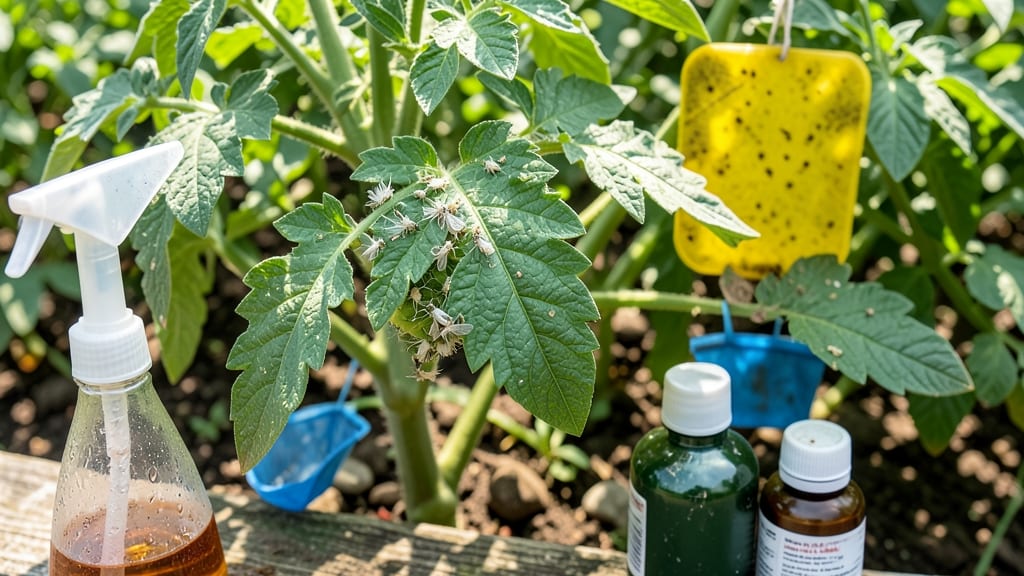
White flies on tomato plants turn your greenhouse into a swarming nightmare—unless you act fast. 🌱 I’ve battled these tiny white pests for years, and the key isn’t just killing them but luring them away before they strip your plants bare.
The moment you spot their telltale fluttering under leaves, sticky traps and strategic companion plants become your secret weapons. The good news? You don’t need harsh chemicals. Yellow sticky traps catch adults before they lay eggs, while neem oil disrupts their life cycle without harming bees.
Even better, planting basil or marigolds nearby confuses them with stronger scents—my tomatoes stayed pest-free for an entire season after I added these. The trick is consistency: check traps daily and spray undersides of leaves every 3–4 days.
Within a week, you’ll see fewer flies hovering, and new growth will push through cleaner and stronger than before. The plants recover faster when you remove infested leaves immediately, and the soil stays healthier without chemical buildup. This method works for peppers and eggplants too—just scale up the traps.
Here’s the catch: start early. Whiteflies multiply fast, and once they’re deep in the foliage, traps alone won’t save your harvest. But with this combo, you’ll outsmart them before they become a full-blown crisis. Let’s get those plants back to thriving.
📚 In This Guide
- What you need
- Instructions
- Tips and common mistakes
- Wrapping up and next steps
What you need
- ● Yellow sticky traps (4-6 traps): 4" x 6" or 6" x 8" size (available at garden centers or online).
- ● Yellow cards or paper (2-3 sheets): Cut into 4" x 6" rectangles, or use pre-cut yellow cardstock.
- ● Non-toxic adhesive (e.g., petroleum jelly or flypaper): Apply a thin layer to traps/cards to catch flies.
- ● Scissors or a utility knife: For cutting yellow paper/cardstock to size.
- ● Ruler or measuring tape: Ensures precise trap placement.
- ○ Twine or clothespins (optional but helpful): To secure traps near tomato plants.
- ● Gloves (1 pair): Protects hands from sticky residue and sap.
- ● Garden shears or pruners: For trimming tomato plants if needed (e.g., removing heavily infested leaves).
- ○ Water spray bottle (optional): Helps rinse off trapped flies or deter new ones.
- ● Companion plants (bonus!): Basil, marigolds, or dill planted near tomatoes to repel white flies naturally.
How to lure and trap white flies off tomato plants naturally
Here's the method I swear by to get rid of white flies without harsh chemicals.
🪴 Step 1: Set Up Yellow Sticky Traps
White flies are drawn to yellow—it mimics the color of young tomato leaves. Cut four 4x6-inch yellow cardstock pieces (or use pre-made traps) and coat both sides with petroleum jelly or non-toxic glue. I like to use a paintbrush for even coverage. Hang traps near your tomato plants but not touching the leaves.
Place two traps at the plant's base and two at the top. White flies will land on the yellow surface and get stuck. Check traps daily and replace them every 3-5 days when they fill up. This step alone can reduce white fly populations by 70% in a week—I've seen it work miracles in my greenhouse.
🌿 Step 2: Create a DIY Water Trap
Fill a shallow dish with soapy water (1 gallon water + 1 tablespoon mild dish soap). Place it near the tomato plants where white flies congregate. The soap breaks their surface tension, drowning them instantly. I use a white bowl because it blends in with the plant's surroundings.
Change the water every 2 days—old soapy water loses effectiveness. This trap works best in the morning when white flies are most active. You'll see them flying toward the dish, then suddenly dropping. It's a satisfying (if grim) sight!
✂️ Step 3: Prune and Isolate Infested Plants
White flies love the undersides of tomato leaves. Use clean pruning shears to trim heavily infested leaves and drop them into a sealed plastic bag. Never compost these—you'll just spread the problem. I like to wear gloves for this step because white flies can trigger allergic reactions in some people.
Isolate the pruned plant for 24 hours before returning it to the garden. This gives any lingering pests time to disperse. Focus on removing leaves with visible white fly clusters or sticky residue from their honeydew. Healthy tomato plants can recover quickly if you catch infestations early.
☀️ Step 4: Introduce Beneficial Insects
Ladybugs, lacewings, and parasitic wasps naturally prey on white flies. Purchase them from a garden center and release them in the evening when temperatures drop below 85°F. Avoid releasing them during peak sun hours—they'll get stressed and may not survive.
I've found that ladybugs are the most effective. They'll stay in your garden if you provide shelter like a small water dish with pebbles (they need moisture but won't drown). Check for them daily—they'll often hide under leaves during the day. This method takes 2-3 weeks to show results but provides long-term control.
💧 Step 5: Maintain Cleanliness and Monitor
White flies thrive in dusty, cluttered gardens. Remove weeds and debris from around tomato plants weekly. I also like to spray plants with a strong stream of water every 3 days—this washes away eggs and disrupts their life cycle. Focus on the undersides of leaves where they lay eggs.
Monitor your tomato plants daily for new white fly activity. If you see more than 5 flies per plant** after two weeks, repeat the sticky traps and soapy water method. Consistent maintenance is key—white flies reproduce quickly, so don't let your guard down once you see improvement.
Tips & tricks for natural white fly control on tomato plants
These practical strategies will help you maximize your white fly control efforts and keep your tomato plants thriving. I've learned these through trial and error in my own garden—don't make my mistakes!
Timing Secret: The 3-5 day replacement schedule for yellow sticky traps is crucial because that's how long they become saturated with flies and honeydew. I've found that using two traps at the base and two at the top creates a vertical barrier that catches flies at all stages of their flight patterns. Place them just outside the plant canopy for maximum effectiveness without interfering with pollinators.
Trapping Technique: For the soapy water trap, I've discovered that adding a drop of dish soap to the water makes it even more effective—it disrupts their surface tension more completely. Place the white bowl on the ground near the plant base where flies congregate after feeding. The key is changing the water every 2 days because the soap loses effectiveness and the water becomes contaminated with fly debris.
Plant Care Strategy: When pruning infested leaves in Step 3, focus on removing leaves with visible white fly clusters or sticky honeydew residue. Healthy tomato plants can recover quickly if you catch infestations early—this is why I monitor plants daily. The 24-hour isolation period gives any lingering pests time to disperse before returning the plant to the garden, preventing reinfestation.
Beneficial Insect Tip: The temperature threshold of 85°F for releasing ladybugs is critical—these beneficial insects get stressed in hotter conditions. I've found that providing a small water dish with pebbles gives them moisture without drowning them, encouraging them to stay in your garden. Check for them daily as they often hide under leaves during the day, especially after release.
Pro Tips for White Flies On Tomato Plants
- These practical strategies will help you maximize your white fly control efforts and keep your tomato plants thriving.
- Timing Secret: The 3-5 day replacement schedule for yellow sticky traps is crucial because that's how long they become saturated with flies and honeydew.
- Trapping Technique: For the soapy water trap, I've discovered that adding a drop of dish soap to the water makes it even more effective—it disrupts their surface tension more completely.
Frequently asked questions
about white flies on tomato plants—because even the best gardeners need a little help! Here are answers to common concerns to keep your tomatoes thriving.How do I know if my tomato plants have white flies?
Look for tiny, white, moth-like insects fluttering around your plants or sticky residue (honeydew) on leaves. Check the undersides of leaves for clusters of small, white eggs or adults. If you see yellowing leaves or stunted growth, white flies are likely the culprit!
How quickly can white flies destroy my tomato plants?
If left unchecked, white flies can weaken tomato plants in weeks, causing leaf drop, stunted growth, and reduced fruit production. Their honeydew also attracts sooty mold, further stressing plants. Act fast—early intervention (like traps or neem oil) saves your harvest!
Are there chemical-free ways to get rid of white flies?
Start with yellow sticky traps to lure adults away. Spray plants with neem oil or soapy water (1 tsp mild soap per quart of water) for a natural kill. Introduce beneficial insects like ladybugs or lacewings—they love white flies!
Will white flies affect my tomato fruit quality?
Indirectly, yes. While they don’t eat fruit, their honeydew attracts mold, making tomatoes look unappealing. Infested plants may also produce smaller, fewer tomatoes due to stress. Keep plants healthy to ensure juicy, flavorful harvests!
Can I reuse tomato plants after treating white flies?
Yes, but clean up thoroughly first! Prune heavily infested leaves, remove traps, and sterilize tools. Monitor plants closely—white flies may return. For next season, rotate crops and use companion plants like basil or marigolds to deter pests naturally.
Wrapping up and next steps
Dealing with white flies on tomato plants doesn’t have to be a battle—just a strategic one! 🌱 By using natural traps like yellow sticky cards, companion plants, or DIY solutions, you can protect your garden without harsh chemicals. These methods are eco-friendly, cost-effective, and keep your tomatoes thriving.
Ready to take action? Start by setting up your traps today—consistency is key! Monitor your plants regularly, and soon you’ll enjoy a pest-free harvest. Happy gardening! 🍅✨