
How To
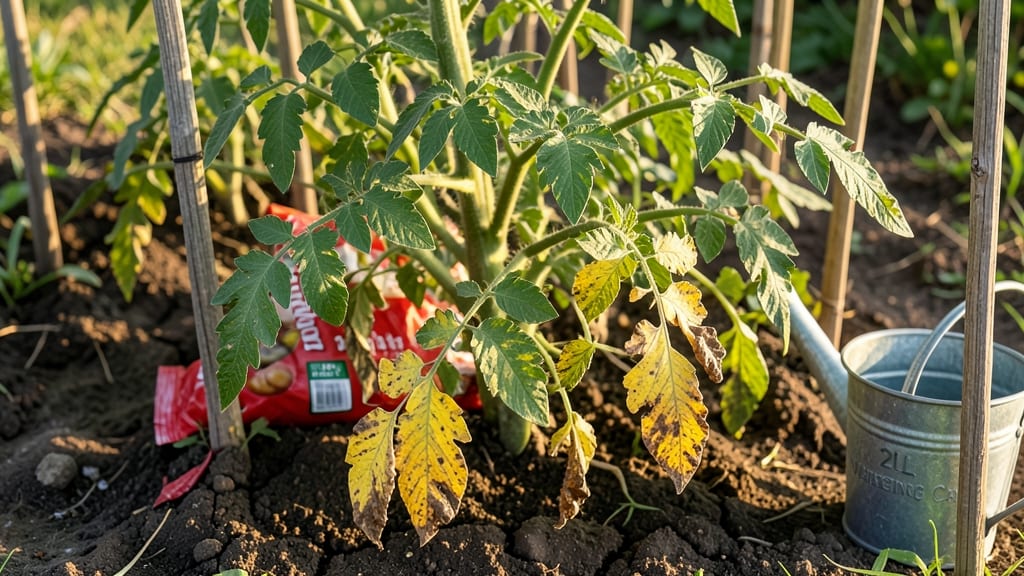
Tomato leaves turning yellow can mean your plants are silently screaming for help—often within minutes of fixing the right issue. 🌱 I’ve seen this happen from overwatering to hidden nutrient deficiencies, and the good news is most fixes take less than 10 minutes to diagnose.
The key is spotting the pattern: is it starting at the bottom, edges, or veins? That tells you exactly what’s wrong.
Overwatering is the most common culprit, drowning roots and starving leaves of oxygen. But nutrient deficiencies—like a lack of nitrogen, magnesium, or iron—can also turn foliage pale or yellow between the veins.
Pests like spider mites or diseases such as early blight might look similar, but they leave telltale signs: tiny webs, dark spots, or curled edges. A quick soil test or leaf inspection is all it takes to know what your tomatoes really need.
Most fixes are simple: adjust watering, add a balanced fertilizer, or spray neem oil for pests. I’ve revived plants that looked doomed by just flushing the soil with water and adding a handful of Epsom salt for magnesium.
The goal isn’t perfection—it’s giving your tomatoes the right conditions so they can bounce back faster than you think.
If the yellowing spreads fast or you see blackened stems or wilted leaves, it might be a disease or severe pest infestation. That’s when calling a local extension office or gardening pro pays off.
But for 90% of cases? You’ll have your plants back to vibrant green in no time—no fancy tools required.
Understanding Root Causes
Tomato leaves turning yellow isn’t just a random quirk of nature—it’s your plant’s way of signaling distress. Whether it’s a hidden nutrient deficiency, an environmental stressor, or a sneaky pest, each cause leaves a distinct fingerprint.
Let’s break down the science behind the yellowing and why your tomato plants might be waving a red (or yellow) flag.
Tomatoes are heavy feeders, and when they’re deprived of key nutrients, their leaves turn yellow faster than a summer squash wilts in the heat. Here’s what’s really starving your plants:
- **🌱 Nitrogen (N) Deficiency – The Classic Yellowing Nitrogen is the backbone of chlorophyll, the pigment that gives leaves their green hue.
When nitrogen levels drop, older leaves (the ones closest to the soil) turn pale yellow or yellow-green** first—this is your plant’s way of saying, “Feed me, or I’ll drop these leaves to conserve energy.” - Why it happens: Poor soil quality, overwatering (which leaches nitrogen), or using fertilizers low in nitrogen. - Actionable fix: Apply a balanced fertilizer (10-10-10 or higher in nitrogen) or top-dress with composted manure.
For a quick boost, use liquid fish emulsion (high in nitrogen).
- **💧 Magnesium (Mg) Deficiency – The Interveinal Yellowing Magnesium is the star of chlorophyll production, and when it’s lacking, leaves develop yellow patches between the veins** (a pattern called interveinal chlorosis).
This often starts on older leaves but can spread. - Why it happens: Overly acidic soil (magnesium binds poorly in low pH), heavy clay soils, or excessive potassium fertilization (which competes with magnesium uptake). - Actionable fix: Raise soil pH slightly (aim for 6.0–6.8) with lime or wood ash.
Apply Epsom salt (magnesium sulfate)—dissolve 1 tablespoon per gallon of water and spray foliarly or water into the soil every 2 weeks.
- 🍂 Potassium (K) Deficiency – The Weak-Willed Yellowing Potassium keeps cells functioning properly, and when it’s missing, leaves turn yellow at the edges (a condition called scorching) before browning and dying.
This often happens along with weak stems and poor fruit development. - Why it happens: Sandy or leached soils, overwatering, or using fertilizers high in nitrogen but low in potassium. - Actionable fix: Switch to a potassium-rich fertilizer (like 0-10-10) or use greensand or wood ash.
For a fast fix, water with a banana peel tea (yes, really—bananas are potassium gold).
- **🌿 Iron (Fe) Deficiency – The Young Leaf Struggle Unlike nitrogen, iron deficiency hits new leaves first, turning them bright yellow while veins stay green.
This is common in alkaline soils (pH > 7.0), where iron becomes locked away. - Why it happens: High pH soil, over-fertilizing with lime, or using tap water with high calcium. - Actionable fix: Lower soil pH with sulfur or peat moss.
Use chelated iron supplements (like Ironite) or spray leaves with a homemade iron solution (1 tsp Epsom salt + 1 quart water + 1 tsp vinegar).
Tomatoes are drought-tolerant but hate soggy feet**—water stress (either way) triggers yellowing faster than you can say “wilting disaster.”
- **💦 Overwatering – The Root Suffocation Too much water drowns roots, cutting off oxygen and nutrients. Leaves turn yellow and mushy, often starting at the bottom of the plant.
The soil may smell rotten, and roots could be black or slimy. - Why it happens: Poor drainage, overzealous watering, or planting in heavy clay. - Actionable fix: Improve drainage with perlite or compost. Water deeply but less frequently (1–2 inches per week).
If roots are rotting, prune affected areas and repot in fresh soil.
- 🌞 Underwatering – The Stress Signal When tomatoes thirst, leaves curl, wilt, and turn yellow—usually starting at the edges and moving inward.
The soil feels bone-dry an inch below the surface. - Why it happens: Forgetting to water, hot weather, or containers drying out too fast. - Actionable fix: Water deeply (1–2 inches) early in the day to reduce evaporation. Use mulch to retain moisture.
For containers, water when the top inch is dry.
Tomatoes are sun-lovers, but too much or too little of the wrong conditions can turn leaves yellow overnight.
- ☀️ Heat Stress – The Sunburn Effect In extreme heat (above 90°F), leaves bleach out, turning pale yellow or white.
This often happens on young leaves exposed to direct sunlight. - Why it happens: Lack of shade, sudden heatwaves, or poor airflow. - Actionable fix: Provide afternoon shade with a cloth row cover or shade cloth. Mulch heavily to keep roots cool. Water deeply in the morning to reduce leaf scorch.
- 🌧️ Fungal Diseases – The Hidden Invaders Early blight and septoria leaf spot cause yellow spots with dark borders, often on lower leaves. Powdery mildew makes leaves look dusty yellow.
- Actionable fix: Remove infected leaves immediately. Space plants for airflow (18–24 inches apart). Spray with neem oil or copper fungicide preventatively.
Check the undersides of leaves for tiny pests. - Why it happens: Weak plants, dry conditions (mites love drought), or nearby infested plants. - Actionable fix: Blast leaves with water to knock off pests. Spray with insecticidal soap or neem oil. Introduce ladybugs or lacewings for natural control.
Tomatoes are picky about their soil real estate—if it’s too compacted or the wrong pH, nutrients get locked away, and leaves yellow faster than a summer squash in a heatwave.
- 🧪 pH Imbalances – The Locked-Up Nutrients Tomatoes thrive in slightly acidic soil (pH 6.0–6.8). If pH is too high (>7.0), nutrients like iron and manganese become unavailable.
If too low (<5.5), aluminum toxicity can occur. - Why it happens: Over-fertilizing with lime (raises pH) or peat moss (lowers pH). - Actionable fix: Test soil pH with a home kit or lab test. Adjust with lime (to raise pH) or sulfur/peat moss (to lower pH).
- 🪨 Compacted Soil – The Root Strangler Heavy foot traffic, clay soil, or poor drainage compresses soil, cutting off oxygen to roots.
Leaves turn yellow and stunted, and growth slows. - Why it happens: Walking on garden beds, no mulch, or planting in heavy clay. - Actionable fix: Aerate soil with a garden fork or tilling. Add compost or coconut coir to loosen texture. Mulch heavily** to prevent compaction.
Fix Yellowing Tomato Leaves Fast
Yellowing tomato leaves can be frustrating, but the good news is most issues have quick fixes—if you catch them early! Below, we’ve mapped the most common causes to practical, step-by-step solutions so you can revive your plants and prevent future problems.
Think of this as your tomato plant first-aid kit—no green thumb required!
Signs: Yellowing leaves (especially lower ones), soggy soil, wilting despite water.
How to Fix It: 💧 Step 1: Stop Watering Immediately
- Let the top 1–2 inches of soil dry out completely before watering again. Overwatering suffocates roots and invites fungus.
🌱 Step 2: Improve Drainage
- If your pots lack drainage holes, add them or repot into containers with holes. For in-ground plants, amend the soil with perlite or coarse sand (1 part perlite to 3 parts soil) to help excess water escape.
🔄 Step 3: Check Your Watering Routine
- Water deeply but less frequently—aim for 1–1.5 inches per week (including rain). Use a moisture meter or the "finger test" (stick your finger 1 inch into the soil; if dry, water).
💡 Pro Tip: If your plant is severely waterlogged, trim the yellowed leaves to redirect energy to healthy growth. Avoid fertilizing until the soil dries out—roots need to recover first!
Signs: Crispy, yellowing edges on leaves, dry soil, wilting stems.
How to Fix It: 💦 Step 1: Water Deeply and Slowly
- Give your tomato plant a slow, deep drink—water until it seeps out the drainage holes. This encourages roots to grow deeper for better stability.
🌿 Step 2: Mulch to Retain Moisture
- Spread 2–3 inches of organic mulch (straw, wood chips, or grass clippings) around the base (but not touching the stem). This locks in moisture and keeps roots cool.
⏰ Step 3: Adjust Your Schedule
- Tomatoes need consistent moisture. Water early in the morning to reduce evaporation. If you’re away, use a self-watering system or drip irrigation to keep soil evenly moist.
💡 Pro Tip: Yellowing from underwatering often starts at the leaf edges—if the whole leaf turns yellow, overwatering is more likely. Pay attention to the pattern!
Signs: Yellowing between leaf veins (chlorosis), stunted growth, purple stems (nitrogen/phosphorus deficiency).
| Deficiency | Symptoms | Quick Fix |
|---|---|---|
| Nitrogen (N) | Pale yellow leaves (oldest first) | Apply balanced fertilizer (e.g., 10-10-10) or compost tea. Eggshells (crushed) also work! |
| Magnesium (Mg) | Yellow patches between veins | Spray Epsom salt solution (1 tbsp per gallon of water) every 2 weeks. |
| Iron (Fe) | Yellow leaves with green veins | Use chelated iron supplement or water with citric acid (1 tsp per gallon). |
| Potassium (K) | Yellowing edges + weak stems | Feed with banana peel tea or potassium-rich fertilizer (like wood ash). |
💡 Pro Tip: Always water before fertilizing to prevent root burn. And rotate fertilizers—don’t rely on one type long-term!
Signs: Yellowing + holes, sticky residue, white mold, or tiny bugs.
How to Fix It: 🐜 Step 1: Identify the Culprit
- Aphids/Spider Mites: Tiny bugs on undersides of leaves.
- Fungal Issues (Early Blight): Yellow spots with concentric rings.
- Root Rot: Mushy stems + foul smell (from overwatering).
🧼 Step 2: Treat It Fast
- Pests: Spray with neem oil (1 tsp + 1 quart water + drop of dish soap) or introduce ladybugs.
- Fungus: Remove infected leaves immediately and spray with baking soda mix (1 tbsp baking soda + 1 quart water + few drops of soap).
- Root Rot: Trim blackened roots, repot in fresh soil, and reduce watering.
🌱 Step 3: Prevent Future Attacks
- Rotate crops (don’t plant tomatoes in the same spot yearly).
- Space plants for airflow (fungus loves humidity!).
- Use row covers to block pests early.
💡 Pro Tip: Copper fungicide is a garden hero—spray preventatively every 2 weeks if your area is prone to blight!
Signs: Yellowing + leaf drop, especially in heat or cold snaps.
How to Fix It: 🌡️ Step 1: Shield from Extreme Temps
- Too Hot? Provide shade cloth (30–50% coverage) during peak sun (11 AM–3 PM).
- Too Cold? Move pots to a sheltered spot or use row covers for nighttime protection.
💧 Step 2: Optimize Humidity
- Tomatoes love 60–70% humidity. In dry climates, mist leaves lightly in the morning or use a pebble tray under pots.
🌱 Step 3: Transplant if Needed
- If your plant is struggling in its current spot (e.g., too windy or shaded), relocate it to a sunnier, protected area.
💡 Pro Tip: Yellowing from heat stress often starts on the upper leaves—trim them to help the plant focus on survival!
Remember: Most yellowing is reversible if you act fast! Check your soil, watering habits, and plant health weekly to catch issues early. And if all else fails? Sometimes the best fix is a fresh start—propagate from healthy stems and give your new plant the TLC it deserves! 🌱✨
Frequently asked questions about yellowing tomato leaves
Why do tomato leaves turn yellow between the veins first?
This classic pattern usually means a magnesium deficiency. Magnesium is essential for chlorophyll production, and when it's lacking, leaves develop yellow patches between their veins while keeping green veins. Older leaves often show this first because the plant moves nutrients from older to newer growth. Try spraying with an Epsom salt solution (1 tablespoon per gallon of water) every 2 weeks.
Can yellow tomato leaves spread to the fruit?
Not directly, but severe nutrient deficiencies or diseases causing yellow leaves can weaken the plant enough to reduce fruit quality. If leaves are yellow due to overwatering or nutrient issues, the plant may produce smaller, less flavorful tomatoes. However, if the yellowing is from pests or disease, the plant's overall health declines, potentially affecting fruit development.
How quickly should I expect to see improvement after fixing the problem?
With proper care, you may see new growth in 3-7 days, though complete recovery can take 2-4 weeks. For nutrient deficiencies, leaves won't turn green again—they'll simply stop yellowing as the plant produces new healthy leaves. If it's water-related, improvement can be visible within 24-48 hours of adjusting your watering routine.
Should I remove yellow leaves from my tomato plant?
Yes, but only if they're more than 50% yellow or diseased. Removing them helps the plant redirect energy to healthy growth. Use clean scissors to avoid spreading disease, and don't remove more than 1/3 of the foliage at once. For nutrient deficiencies, leave some yellow leaves as they're still photosynthesizing.
Is it too late to save my tomato plant if most leaves are yellow?
Not necessarily! If the stems are still firm and roots look healthy (white, not black/mushy), your plant can often recover. Focus on fixing the root cause immediately. For severe cases, prune back to healthy growth and give the plant intensive care. If the stems are mushy or roots are rotting, the plant may be beyond saving.