
Vegetables
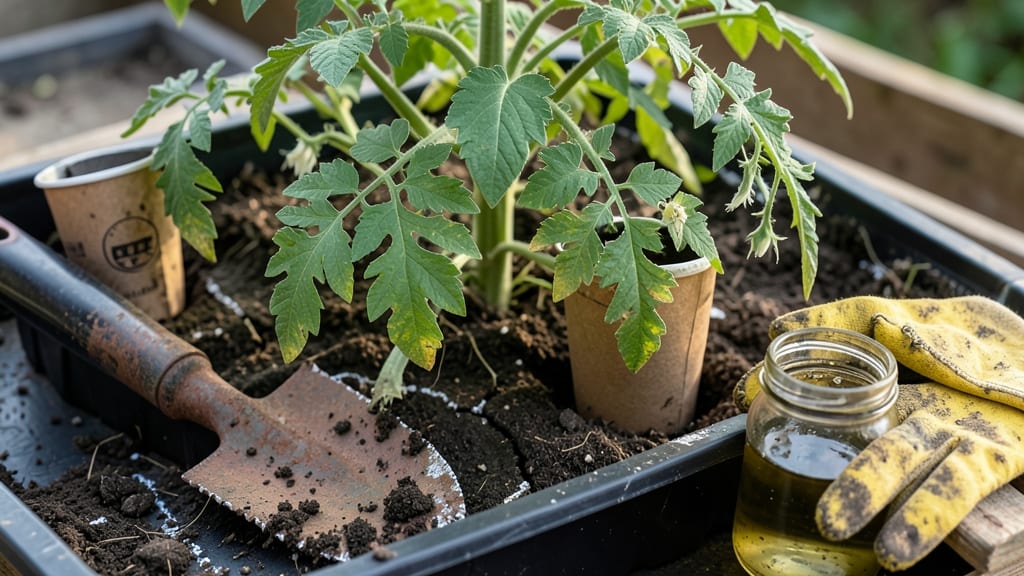
Your wilted tomato seedlings are drooping faster than a summer rainstorm drains the soil. 🌱 The good news? Most cases aren’t death sentences—just stress signals.
Overwatering, root rot, or transplant shock are the usual culprits, but I’ve revived dozens of limp seedlings using just three targeted fixes that work even for beginners.
First, check the soil moisture—it’s the #1 mistake. Seedlings need damp (not soggy) soil, and overwatering suffocates roots faster than you can say "damping off." If the soil smells funky or feels slimy, you’re dealing with root rot, and we’ll need to act fast to save those stems.
Pests like aphids can also drain sap overnight, leaving plants wilted but otherwise intact.
Within hours of proper care, you’ll see leaves perk up like they’ve had a caffeine shot. We’re talking 30 minutes of work that can mean the difference between a thriving plant and compost.
The key is acting before the roots give up entirely—tomato seedlings are tougher than they look, but they won’t wait forever.
Prevention is even simpler: use sterile soil mixes, water at the base (never overhead), and harden off seedlings gradually before transplanting. These small habits keep your seedlings standing tall all season—no last-minute panics required.
Root Causes Of Seedling Wilting
Understanding why your tomato seedlings suddenly droop can help you prevent future losses. Wilting often signals an underlying issue—whether environmental, biological, or related to care. Let’s break down the most common culprits with clear explanations and actionable insights.
Tomatoes are sensitive to soggy soil, which can suffocate roots and lead to wilting. Overwatering disrupts oxygen flow to the roots, causing them to rot or fail to absorb nutrients. Poor drainage exacerbates the problem by trapping excess moisture.
Why it happens:
- Root suffocation: Waterlogged soil displaces oxygen, forcing roots to "drown" and weaken.
- Fungal infections: Excess moisture creates the perfect environment for Pythium or Phytophthora, pathogens that attack seedlings.
- Nutrient imbalance: Roots struggle to uptake water and minerals when soil is too wet, leading to nutrient deficiencies.
Actionable fix:
- Use well-draining soil mixes (e.g., 60% potting soil + 30% perlite + 10% compost).
- Ensure containers have drainage holes.
- Water only when the top inch of soil feels dry.
Tomato seedlings wilt when they don’t get enough water, especially under hot or dry conditions. Unlike mature plants, seedlings have shallow root systems and dry out quickly.
Why it happens:
- Transpiration overload: Leaves lose moisture faster than roots can replace it, causing cells to collapse.
- Soil moisture imbalance: Sandy or fast-draining soils dry out too quickly, leaving roots parched.
- Heat shock: Direct sunlight (especially in greenhouses or hot climates) increases water loss, leading to wilting.
Actionable fix:
- Water seedlings consistently, keeping soil evenly moist (not soggy).
- Use mulch (like straw) to retain moisture and cool roots.
- Provide shade cloth (30-50%) if seedlings are exposed to intense midday sun.
Hidden pests or pathogens can weaken seedlings before visible wilting appears. Aphids, spider mites, or fungal diseases like early blight drain energy and disrupt water transport.
Why it happens:
- Sap-sucking pests: Aphids and whiteflies pierce stems, blocking water flow and injecting toxins.
- Root-feeding insects: Grubs or fungus gnats damage roots, reducing absorption.
- Fungal infections: Fusarium wilt or damping-off (a soil-borne fungus) attack stems, causing sudden collapse.
Actionable fix:
- Inspect seedlings daily for pests (check undersides of leaves).
- Use neem oil or insecticidal soap for soft-bodied pests.
- Sterilize soil and trays with a 10% bleach solution (1 part bleach to 9 parts water) before replanting.
Extreme temperatures (too hot or too cold) or inconsistent light can stunt growth and cause wilting. Seedlings thrive in stable conditions—disruptions stress them out.
Why it happens:
- Cold stress: Temperatures below 50°F (10°C) slow metabolism, leading to weak stems.
- Heat stress: Above 90°F (32°C) causes protein denaturation in leaves, making them wilt.
- Inadequate light: Leggy, weak seedlings (from low light) can’t support their own weight, leading to collapse.
Actionable fix:
- Keep seedlings in a warm (70-80°F / 21-27°C) environment with consistent light (14-16 hours/day).
- Use grow lights if natural light is insufficient.
- Avoid placing seedlings near drafts (e.g., AC vents, open windows).
💡 Pro Tip: Wilting can also signal nutrient deficiencies (like lack of nitrogen or calcium). Yellowing leaves with wilting often point to nitrogen issues, while brown edges suggest calcium deficiency. Test soil pH (ideal: 6.0-6.8) and amend with compost or balanced fertilizer if needed.
Reviving Drooping Tomato Starts Here
Wilted tomato seedlings don’t mean game over—with the right care, you can nurse them back to health and set them up for a thriving harvest. 🌱 The key is identifying the root cause (literally!) and applying targeted fixes.
Below, we break down the most common culprits and the easy, actionable steps to turn your sad seedlings into sturdy, sun-loving plants.
Fix: Let’s start with the most common killer of seedlings—too much love (in the form of water).
Step 1: Check the Soil 👨🍳
- Gently squeeze a handful of soil near the base of the seedling. If it’s soggy or leaves a puddle when pressed, you’ve overwatered. Well-drained soil should feel moist but not wet, like a damp sponge.
Step 2: Adjust Watering Habits ⏰
- Water only when the top inch of soil is dry. Stick your finger in the soil—if it’s dry, it’s time to water. For seedlings, this is usually every 2–3 days, but adjust based on humidity and heat.
- Use a spray bottle or watering can with a fine rose to avoid blasting the delicate stems.
Step 3: Improve Drainage 🏗️
- If your pots lack drainage holes, transfer seedlings to containers with holes immediately. No holes? Poke them with a nail or drill!
- Mix in perlite or coarse sand (10–20%) into your potting mix to boost aeration.
💡 Pro Tip: If roots are already waterlogged, don’t water again until the soil dries out. Yellowing leaves or mushy stems? You may need to repot the seedling in fresh, dry soil to prevent root rot.
Fix: Wilting can also mean your seedlings are thirsty or struggling with heat.
Step 1: Hydrate Deeply 💦
- Water the soil slowly and thoroughly until it seeps out the drainage holes. This encourages roots to grow deeper.
- For extreme wilting, place the pot in a shallow tray of water for 10–15 minutes to revive the roots.
Step 2: Shield from Scorching Sun 🌞
- Move seedlings to a spot with morning sun and afternoon shade if they’re in direct, hot sunlight. A lightweight shade cloth (30–50%) works wonders.
- If using grow lights, keep them 6–12 inches above seedlings and run them for 12–16 hours/day.
Step 3: Boost Humidity 🌡️
- Place a tray of pebbles and water near the seedlings or mist them lightly in the morning to prevent transpiration stress.
- Group seedlings together to create a microclimate that retains moisture.
💡 Pro Tip: Wilting in the afternoon? It’s often heat stress. Wilting in the morning? Likely underwatering. Adjust your routine accordingly.
Fix: If seedlings wilted after repotting or handling, they may have damaged roots.
Step 1: Gently Inspect Roots 🔍
- Remove the seedling from its pot and rinse off soil to check for:
- Black, mushy roots (root rot—trim these and repot in fresh soil).
- Dry, brittle roots (underwatering—soak in water for 10 minutes).
- Healthy white/tan roots (good! Proceed to Step 2).
Step 2: Repot with Care 🏺
- Use a slightly larger pot (2–3 inches wider) with fresh, well-draining potting mix.
- Loosen roots gently before planting to encourage spreading.
- Water lightly after repotting and avoid heavy watering for 2–3 days to let roots establish.
Step 3: Support Recovery 🌿
- Place seedlings in bright, indirect light for a few days to reduce stress.
- Avoid fertilizing for 1–2 weeks—focus on water and light first.
💡 Pro Tip: If roots are severely damaged, root in water first (place stem in a jar of water until new roots grow, then transplant).
Fix: Tiny invaders or fungal infections can drain your seedlings’ energy.
Step 1: Identify the Problem 🦟
- Chewed leaves or webbing? Likely aphids, spider mites, or whiteflies.
- Yellow spots or powdery coating? Could be fungal disease (like early blight).
- Stems collapsing? Possible root-knot nematodes.
Step 2: Treat Naturally 🌿
- Pests:
- Spray with a soapy water solution (1 tsp mild soap per quart of water).
- Introduce beneficial insects like ladybugs or lacewings.
- Use neem oil spray (1 tbsp neem oil + 1 tsp soap per quart of water; spray every 5–7 days).
- Disease:
- Remove infected leaves immediately and dispose of them.
- Water at the base (not overhead) to keep foliage dry.
- Apply a copper fungicide or baking soda spray (1 tsp baking soda + 1 quart water + a drop of soap).
Step 3: Prevent Future Issues 🛡️
- Rotate crops if pests/diseases are recurring.
- Sterilize tools and pots with a 10% bleach solution between uses.
- Space seedlings properly for airflow (aim for 12–18 inches apart for tomatoes).
💡 Pro Tip: Isolate affected seedlings to prevent spreading. Healthy seedlings can often recover if treated early!
Once your tomatoes are back on track, keep them thriving with these proactive habits: -
- Start with quality soil: Use a seed-starting mix (not garden soil) for better drainage.
- Hardening off: Gradually expose seedlings to outdoor conditions 1 week before transplanting (start with 1 hour/day, increasing time).
- Fertilize lightly: Wait until seedlings have 2–3 true leaves before using a balanced fertilizer (5-5-5 or 10-10-10), diluted to half strength.
- Monitor consistently: Check soil moisture daily and adjust watering based on weather.
- Prune wisely: Remove lower leaves when transplanting to prevent soil-borne diseases.
With these fixes, your wilted tomato seedlings should perk
Frequently asked questions
Can I save tomato seedlings that have wilted completely flat?
It depends on how long they’ve been wilted. If the stems are still firm and the soil isn’t waterlogged, place the pot in a shallow tray of water for 10–15 minutes to revive the roots. Check for root rot (black, mushy roots) – if present, trim the bad roots and repot in fresh, dry soil. For seedlings that’ve been flat for over 24 hours, recovery is unlikely unless you catch it early.
Why do my tomato seedlings wilt only in the afternoon?
Afternoon wilting usually signals heat stress or underwatering. Seedlings lose moisture faster in hot afternoons, and their shallow roots can’t keep up. Try moving them to morning sun with afternoon shade or using a light shade cloth (30–50%). Water deeply in the morning to give roots time to absorb moisture before the heat peaks.
Is it safe to use coffee grounds to revive wilted tomato seedlings?
<Coffee grounds can help long-term by improving soil structure and providing nitrogen, but they’re not a quick fix for wilting. For immediate revival, focus on water (if dry) or drainage (if soggy). Once seedlings recover, you can mix 1–2 tablespoons of used coffee grounds per pot into the soil to boost fertility—but avoid overdoing it, as too much acidity can harm seedlings.
How do I tell if wilted seedlings will recover or are dying?
Check these signs: Firm stems and green leaves mean recovery is possible. If stems feel mushy or hollow when squeezed, or leaves turn yellow/brown, the seedling is likely dying. Also, inspect roots—healthy roots are white/tan, while black/mushy roots indicate irreversible rot. Act within 24 hours for the best chance of revival.
Can I use hydrogen peroxide to fix wilted tomato seedlings?
Yes! A 3% hydrogen peroxide solution (1 part peroxide to 4 parts water) can oxygenate roots and kill fungal pathogens. Use it as a soil drench (pour into the soil) or foliar spray (lightly mist leaves). Repeat every 3–4 days until seedlings recover. It’s a great tool for root rot prevention and reviving stressed seedlings.