
How To
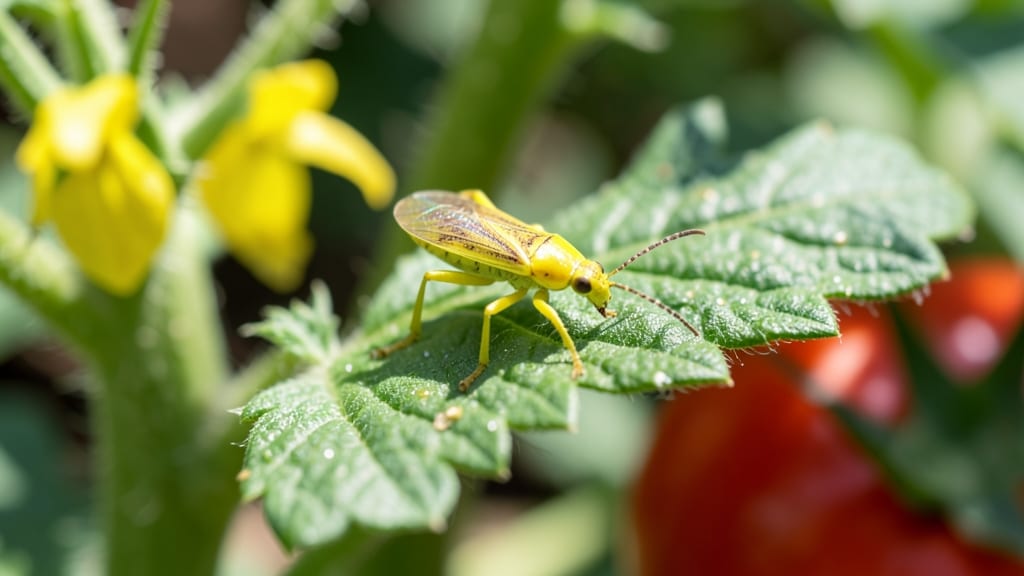
Those tiny yellow tomato bugs are silently wrecking your harvest. 🌱 I’ve lost entire tomato plants to them—until I learned the 5 most destructive culprits and how to stop them before they strike. You’ll spot them by chewed leaves, sticky residue, or sudden wilting.
The worst offenders? Aphids, stink bugs, and hornworms—each leaving a different trail of destruction. The good news? A few targeted sprays or companion plants can turn the tide in under 2 weeks. By the end, your tomatoes will thrive without pesticides.
I’ll show you how to identify the pests, choose the right defense, and keep them away for good—no guesswork involved. Prevention starts now. Let’s get your garden back on track!
Root Causes Behind Tomato Pests
When your tomato plants start showing signs of distress—yellowing leaves, chewed fruit, or tiny holes—it’s often a sign of unwanted visitors. Understanding why these pests target your tomatoes is the first step to stopping them before they cause serious damage.
Below, we break down the most common reasons behind these infestations, from environmental triggers to plant vulnerabilities.
Tomatoes that are stressed or malnourished are like open invitations to pests. When plants lack proper nutrients, water, or sunlight, their natural defenses weaken, making them prime targets for bugs like aphids, spider mites, and whiteflies—all of which can lead to yellowing leaves or stunted growth.
- Nutrient Deficiencies: A lack of nitrogen, phosphorus, or potassium can stunt growth and reduce the plant’s ability to fend off pests. Yellowing between leaf veins often signals nitrogen deficiency, while purplish stems may indicate phosphorus shortages.
- Overwatering or Underwatering: Both extremes stress plants. Overwatering leads to root rot and soft tissue, attracting fungus gnats and other moisture-loving pests. Underwatering causes wilting, making plants more susceptible to spider mites.
- Poor Soil Health: Compacted or nutrient-poor soil limits root development. Healthy soil with organic matter (like compost) supports strong, resilient plants that pests avoid.
💡 Pro Tip: Conduct a simple soil test to check pH and nutrient levels. Tomatoes thrive in slightly acidic soil (pH 6.0–6.8). Amend soil with compost or balanced fertilizer to boost defenses.
Pests thrive in dense, shaded, or humid environments—conditions often created by poor garden planning. Overcrowded tomato plants create microclimates that trap moisture, attract fungal diseases, and provide hiding spots for bugs like hornworms and cutworms.
- Lack of Airflow: Bushy or tall tomato plants with poor spacing trap humidity, creating ideal conditions for aphids and whiteflies. These pests multiply rapidly in warm, moist air.
- Mulch Buildup: While mulch conserves moisture, excessive organic mulch can harbor slugs, snails, and fungus gnats if it stays too wet.
- Diseased Leaves: Yellowing or spotted leaves (from blight or virus) weaken plants and attract pests. For example, hornworms prefer stressed plants with damaged foliage.
🌡️ Actionable Fix: Space tomato plants 18–24 inches apart for adequate airflow. Prune lower leaves to reduce humidity near the soil. Remove and destroy diseased leaves immediately to prevent spread.
Some pests are simply drawn to tomatoes because they’re part of their natural diet or breeding ground. Understanding their life cycles helps predict and prevent outbreaks before they spiral out of control.
| Pest | Why They Target Tomatoes | Peak Activity |
|---|---|---|
| Aphids | Feed on sap, causing curling leaves and sticky honeydew. They reproduce rapidly in warm weather. | Spring to early summer |
| Hornworms | Chew through leaves and fruit; their droppings attract other pests. | Summer (June–August) |
| Spider Mites | Thrive in dry, hot conditions; suck plant juices, leading to yellowing and webbing. | Late summer to fall |
| Whiteflies | Cluster on undersides of leaves, excreting honeydew that promotes sooty mold. | Summer (especially in greenhouses) |
⏰ Prevention Tip: Monitor plants weekly during peak seasons. Use yellow sticky traps for whiteflies or introduce beneficial insects like ladybugs (which eat aphids) to disrupt pest cycles naturally.
Pests don’t just appear randomly—they’re often lured by specific environmental conditions. Heatwaves, droughts, or even nearby wild plants can turn your garden into a pest buffet.
- Drought Stress: Dry soil weakens tomato plants, making them more attractive to pests like spider mites. These arachnids thrive in hot, dry conditions and can defoliate plants quickly.
- Nearby Weeds or Wild Plants: Many pests (e.g., aphids, flea beetles) use weeds as hosts before migrating to tomatoes. Removing weeds within 10 feet of your garden reduces their numbers.
- Urban or Agricultural Runoff: Pesticide residues or fertilizers from neighboring lawns can kill beneficial insects, leaving your tomatoes vulnerable to outbreaks.
🎯 Long-Term Solution: Install drip irrigation to maintain consistent moisture and reduce drought stress. Plant companion plants like basil or marigolds to repel pests naturally and attract pollinators.
5 Ways to Fight Back Against Garden Invaders
If your tomato plants are under siege by those pesky yellow tomato bugs—whether it’s aphids, hornworms, or other common culprits—don’t panic! With the right approach, you can reclaim your garden and keep your harvest thriving.
Below, we’ve matched the most common causes to practical fixes, so you can take action fast. Plus, we’ll share some prevention tips to keep these pests from crashing your next growing season.
If tiny yellow or green aphids are sucking the life out of your tomato leaves, act quickly before they spread. These sap-suckers multiply fast and can stunt plant growth.
🔥 How to Eliminate Them:
- 💦 Blast Them Off – Use a strong stream of water from your hose to knock aphids off leaves. Do this in the early morning so the plants can dry quickly.
- 🌿 Introduce Beneficial Insects – Ladybugs, lacewings, and parasitic wasps love aphids. Buy or attract them to your garden for natural pest control.
- 🧴 Apply Insecticidal Soap – Mix 1 tbsp of mild dish soap with 1 quart of water, spray directly on pests (avoid blooming tomatoes to protect pollinators). Reapply every 3-5 days.
- 🍋 Try Neem Oil Spray – Mix 1 tbsp neem oil, 1 tsp dish soap, and 1 quart of water. Spray on leaves (test on a small area first). Neem disrupts their life cycle.
💡 Prevention Tips:
- 🌱 Plant Companion Crops – Marigolds, basil, and garlic repel aphids. Interplant them near tomatoes.
- 🌡️ Monitor Humidity – Aphids thrive in dry, dusty conditions. Keep soil moist and mulch to retain moisture.
- ✨ Inspect New Plants – Quarantine newly purchased plants for 1-2 weeks before introducing them to your garden.
Those striped green monsters (tomato hornworms) can devour entire leaves overnight. While they’re harmless to humans, they’re a nightmare for gardeners.
🍳 How to Remove Them:
- 👨🍳 Handpick Daily – Check plants in the morning or evening when hornworms are sluggish. Drop them into soapy water to kill them instantly.
- 🕷️ Encourage Parasitic Wasps – Tiny braconid wasps lay eggs in hornworms, turning them into zombie-like hosts. These wasps are natural predators—let them do their job!
- 🥘 Use Row Covers – If hornworms are a recurring issue, cover young tomato plants with lightweight fabric until they’re established.
💡 Prevention Tips:
- 🌱 Rotate Crops – Avoid planting tomatoes in the same spot yearly to disrupt hornworm life cycles.
- 🎯 Plant Traps – Grow a separate basil or dill plant nearby; hornworms are drawn to it and can be easily removed.
- 🌙 Shake Plants at Night – Hornworms are nocturnal. Gently shake plants to dislodge them before they start munching.
Yellowing leaves and sticky residue? Whiteflies or fungal gnats might be the culprits. These tiny flies cluster on the undersides of leaves, weakening plants.
⏰ How to Trap & Control Them:
- 🕯️ Yellow Sticky Traps – Hang yellow cards coated with petroleum jelly near plants. Whiteflies are attracted to the color and get stuck.
- 🌿 Yellow Mulch or Fabric – Cover soil with yellow plastic or fabric to trap emerging gnats.
- 🔪 Prune & Destroy Infested Leaves – Remove heavily infested foliage and dispose of it in sealed bags (don’t compost!).
💡 Prevention Tips:
- 🌡️ Reduce Overwatering – Fungal gnats love moist soil. Water only when the top inch is dry.
- 🌱 Use Cinnamon or Diatomaceous Earth – Sprinkle cinnamon or food-grade diatomaceous earth around the base of plants to deter gnats.
- 🌿 Improve Airflow – Space plants properly to reduce humidity, making it less hospitable for flies.
These orange-and-black beetles (and their yellow larvae) can strip tomatoes bare. They’re tough to kill but not impossible to outsmart.
🔪 How to Stop Them:
- 🛡️ Use Row Covers Early – Install floating row covers before beetles emerge in spring. Remove when flowers appear for pollination.
- 🍎 Handpick & Drop in Soap Water – Check the undersides of leaves daily, especially in the morning.
- 🌿 Apply Kaolin Clay – This natural clay spray creates a barrier that repels beetles. Reapply after rain.
💡 Prevention Tips:
- 🌱 Trap Cropping – Plant a separate patch of potatoes or eggplants far from tomatoes. Beetles will go there first, leaving your tomatoes alone.
- 🌱 Crop Rotation – Avoid planting tomatoes or potatoes in the same spot for 3+ years.
- 🌿 Interplant with Nasturtiums – These flowers attract beetles away from your tomatoes.
Prevention is the best offense! A few simple habits can make your garden less inviting to pests.
✨ Long-Term Solutions:
- 🧹 Clean Up Debris – Remove fallen leaves, weeds, and plant waste where pests hide.
- 🌿 Mulch Properly – Use straw or grass clippings to block weeds (which attract pests) and retain moisture.
- 🌱 Choose Resistant Varieties – Some tomato types (like ‘Mountain Merit’ or ‘Defiant PhR’) are bred to resist common diseases and pests.
- 🌿 Rotate Plant Families – Avoid planting tomatoes, peppers, and potatoes in the same spot yearly to break pest cycles.
With these targeted strategies, you’ll be well on your way to a pest-free tomato harvest. Stay vigilant, act fast, and soon you’ll be enjoying juicy, healthy tomatoes without the unwanted yellow visitors! 🍅💪
Frequently asked questions
What are those tiny yellow spots on my tomato leaves?
Those yellow spots are likely signs of aphid infestations or early spider mite damage. Aphids cluster on undersides of leaves, leaving sticky residue, while spider mites create fine webbing and tiny yellow specks. Check leaf undersides for tiny moving dots—those are your culprits!
Are yellow tomato bugs harmful to eat?
Never eat any bugs found on your tomatoes—they're usually pests like aphids, stink bugs, or hornworms. While some insects are harmless, their droppings and potential toxins (like from stink bugs) can contaminate your fruit. Always wash tomatoes thoroughly before eating, even if no bugs are visible.
How do I tell if my tomato plant has yellow tomato bugs vs. disease?
Bug damage shows distinct signs: chewed leaves, holes, or sticky residue (honeydew). Diseases like early blight cause yellowing with brown spots, while bacterial spot creates water-soaked marks. Check for moving pests—if you see them, it's bugs; if not, it's likely disease. Always examine leaf undersides first.
Can neem oil kill yellow tomato bugs?
Yes! Neem oil works against many yellow tomato bugs like aphids, whiteflies, and spider mites. Mix 1 tablespoon neem oil with 1 teaspoon mild soap and 1 quart water, then spray on leaves (avoid blooming plants). Reapply every 5-7 days for best results. Always test on a small area first.
Why do I keep getting yellow tomato bugs even after treating them?
Persistent bugs often mean new infestations from nearby weeds or untreated plants. Check surrounding areas for pest hosts, and consider using row covers for young plants. Also, some pests (like hornworms) have short life cycles—you may need to treat multiple times during peak season (June-August).