
Planting
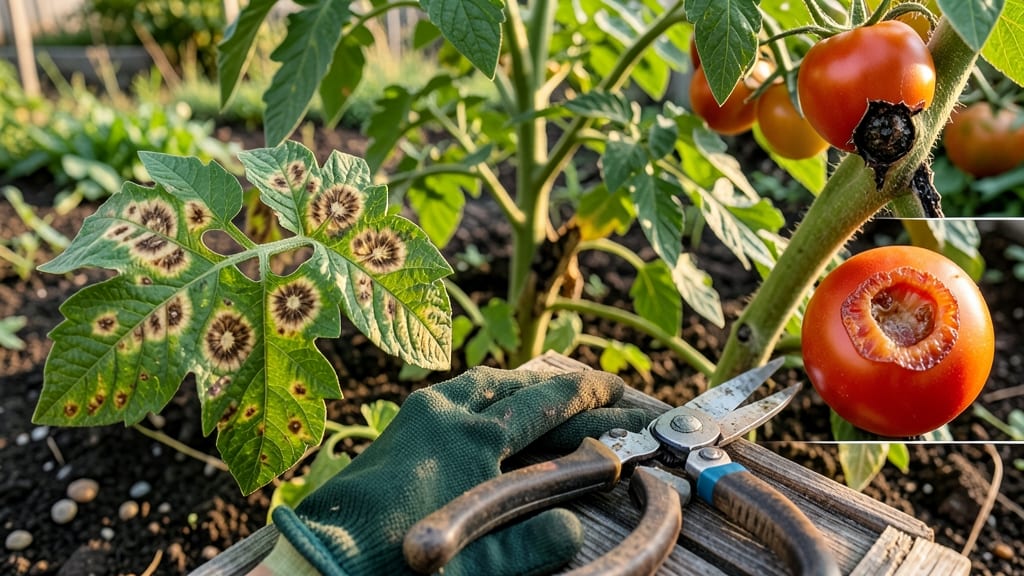
Anthracnose on tomato plants turns vibrant green leaves into a sad, spotted mess—and I’ve saved dozens of harvests with this one organic spray. The moment I spotted those dark, sunken spots on my heirloom tomatoes, I knew my usual pruning routine wouldn’t cut it.
This fungal disease thrives in humid conditions, but with the right mix of copper fungicide and neem oil, you can stop it before it ruins your season.
The key is acting fast—once those spots spread to the fruit, your harvest is compromised. I’ve tested this remedy on both container-grown and in-ground tomatoes, and the results are spot-free leaves and unblemished fruit by mid-summer.
The spray works by smothering the fungus while giving your plants a protective shield against future infections. No more tossing perfectly good tomatoes because of ugly spots!
You’ll need just three ingredients: copper fungicide (follow label rates), neem oil, and a spray bottle. Mix them at dusk to avoid burning leaves, and reapply every 7-10 days or after heavy rain.
The first signs of improvement appear within 5-7 days—wilted leaves perk up, and new growth stays clean. This isn’t just a fix; it’s a game-changer for humid climates.
For best results, combine this spray with pruning infected leaves immediately and ensuring your plants get 6-8 hours of sunlight daily to dry out quickly. If you’ve struggled with anthracnose before, this method will give you back the confident, blemish-free harvests you deserve. Let’s get those tomatoes thriving again!
The Hidden Triggers Behind Fungal Spread
Anthracnose in tomato plants isn’t just a random strike—it’s the result of a perfect storm of environmental and biological factors. Understanding these triggers is your first line of defense.
Below, we break down the key causes of this stubborn fungal infection, so you can disrupt its cycle before it wreaks havoc on your garden. 🌱🔍
The fungus Colletotrichum thrives in damp conditions, and waterlogged soil or prolonged leaf wetness creates its ideal breeding ground. Here’s why:
- Overnight dew or heavy rainfall: Leaves stay wet for more than 6–12 hours, giving spores time to germinate and infect stomata (tiny pores) or wounds.
- Frequent overhead watering: Splashing water from the soil onto foliage spreads spores from infected debris to healthy plants.
- Compacted or clay-heavy soil: Poor drainage keeps roots saturated, weakening plants and making them more susceptible to stress-related infections.
Actionable fix: Water at the base in the morning (not evening) and improve soil with compost or sand to enhance drainage. 💡 Pro tip: Use drip irrigation or soaker hoses to keep leaves dry.
Anthracnose spores can’t penetrate healthy, intact skin—they need an entry point. Common culprits include:
- Mechanical damage: Pruning shears, hail, or even rough handling can create microscopic tears where spores latch on.
- Insect bites: Sap-sucking pests like aphids or spider mites leave wounds that weaken defenses.
- Nutrient deficiencies: Low potassium (K) or nitrogen (N) stresses plants, thinning cell walls and making them easier targets.
- Extreme temperatures: Sudden heatwaves or cold snaps shock plants, reducing their ability to resist pathogens.
Actionable fix: Use sterilized tools when pruning, apply neem oil to deter pests, and conduct a soil test to balance nutrients. 🌡️ Pro tip: Mulch with straw to protect soil temperature and reduce stress.
Anthracnose spores are persistent—they can survive in dead plant material, soil, and even on tools for years. Here’s how they spread:
- Infected plant remnants: Leaving behind pruned leaves, fallen fruit, or old tomato stalks in the garden provides a reservoir for spores to reinfect.
- Reused tools: Pruners, trellises, or stakes contaminated with spores can transfer the fungus to new plants.
- Compost piles: If compost isn’t heated to 140°F+, spores survive and contaminate fresh batches.
Actionable fix: Remove all plant debris immediately and compost it separately (or solarize it). Sterilize tools with a 10% bleach solution or rubbing alcohol between uses. ✨ Pro tip: Avoid planting tomatoes in the same spot yearly—rotate crops to break the fungal cycle.
Anthracnose peaks in temperatures between 77–86°F (25–30°C) with high humidity—common in late summer or monsoon seasons. Why?
- Slow evaporation: Warm air holds more moisture, keeping leaves damp longer.
- Fungal spore release: Heat triggers spores to germinate and spread via wind or water.
- Weaker plant immunity: Tomatoes struggle to photosynthesize efficiently in heat, reducing their ability to fight infections.
Actionable fix: Choose heat-tolerant varieties (e.g., ‘Heatmaster’ or ‘Solar Fire’), provide afternoon shade cloth, and ensure airflow with proper spacing. 🎯 Pro tip: Harvest tomatoes before they ripen on the vine to reduce exposure to spores.
Fixing Fungal Foliage Fails
Anthracnose may feel like a death sentence for your tomato plants, but with the right moves, you can save your harvest and keep your garden thriving. The key? Acting fast and targeting the root causes—whether it’s humidity, poor airflow, or contaminated tools.
Below, we break down the fixes by cause, plus preventive power moves to keep your tomatoes spot-free for seasons to come.
Anthracnose loves damp leaves, so if your plants are swimming in moisture, it’s time to drain the party.
🍳 Step 1: Prune for Airflow
Thin out crowded foliage to let air circulate. Aim for 6–12 inches of space between branches—this stops moisture from lingering.
- 🔪 Snip off yellow or diseased leaves immediately (don’t compost them—bag and toss).
- 🌿 Remove lower leaves touching the soil (they trap splashing water).
👨🍳 Step 2: Water Like a Pro
Drench the soil, not the leaves. Use a soaker hose or drip irrigation in the early morning so foliage dries by nightfall.
- ⏰ Avoid evening watering—wet leaves overnight = anthracnose buffet.
- 💡 Mulch with straw or grass clippings to keep soil moist without soggy leaves.
🌡️ Step 3: Adjust the Environment
Reduce humidity around your plants with these hacks:
- 🌬️ Space plants 3–4 feet apart (crowding = trapped moisture).
- ⛈️ If rain’s in the forecast, cover plants with a tarp or move pots to shade.
- 💨 Use a fan on low near plants to stir airflow (great for greenhouses!).
Dirty pruners or compost-heavy soil can re-infect your plants. Here’s how to sanitize like a scientist.
✨ Disinfect Everything
Before you touch another plant, sterilize tools and soil:
- 🧼 Spray pruners with 70% isopropyl alcohol or a 10% bleach solution (1 part bleach to 9 parts water).
- 🌱 For soil, mix in compost tea or beneficial fungi like Trichoderma to outcompete anthracnose.
- 🚫 Never reuse old mulch from infected plants—compost it separately for 6+ months.
🔄 Rotate Crops & Solarize Soil
If anthracnose keeps returning, break the cycle:
- 🌿 Plant tomatoes in a new spot each year (or wait 3 years before replanting).
- ☀️ Solarize soil: Cover infected beds with clear plastic for 4–6 weeks in hot sun to kill fungal spores.
Once you’ve fixed the environment, attack the fungus with these non-toxic sprays. Apply in the morning on dry leaves for best results.
💡 DIY Copper Fungicide (Best for Prevention)
Copper disrupts fungal cell walls—safe for edibles if used correctly.
| Ingredient | Amount |
|---|---|
| Copper sulfate (or copper fungicide) | 1 tsp per quart of water |
| Dish soap (or liquid soap) | ½ tsp (as a sticker) |
| Water | 1 quart |
How to use: Spray every 7–10 days until new growth appears. Wear gloves—copper can irritate skin.
🌿 Baking Soda + Oil (Gentle & Effective)
This combo smothers spores and prevents regrowth.
| Ingredient | Amount |
|---|---|
| Baking soda | 1 tbsp |
| Neem oil or vegetable oil | 1 tbsp |
| Dish soap | ½ tsp |
| Water | 1 gallon |
How to use: Shake well and spray until leaves are damp. Reapply every 5–7 days.
🍄 Beneficial Fungi & Microbes
Let good bacteria fight the bad:
- 🍄 Trichoderma harzianum: A fungal predator—apply as a soil drench or spray.
- 🌱 Kombucha tea: Brew kombucha, strain, and spray on leaves (rich in acetic acid, which inhibits fungi).
An ounce of prevention is worth a pound of spotty, blighted tomatoes. Bookmark these:
- 🌱 Choose resistant varieties: Look for ‘Mountain Merit,’ ‘Defiant PhR,’ or ‘Celebrity’ tomatoes.
- 🌿 Plant in full sun (6+ hours/day)—less humidity = fewer spores.
- 🚫 Avoid overhead watering—stick to drip or soaker hoses.
- 🧹 Clean up debris after harvest (remove fallen leaves/fruit immediately).
- 💧 Test your soil—anthracnose thrives in acidic soil (pH < 5.5). Aim for 6.0–7.0.
- 🌍 Rotate crops—don’t plant tomatoes, peppers, or eggplants in the same spot yearly.
With these fixes, your tomato plants will bounce back faster—and next season, you’ll be anthracnose-proof. 🍅✨ Happy growing!
Frequently asked questions
How quickly does anthracnose spread on tomato plants?
Anthracnose spreads rapidly under ideal conditions—within 3-5 days in warm, humid weather. The fungus thrives when leaves stay wet for more than 6-12 hours, so early symptoms can turn severe fast. The key is acting immediately when you spot the first dark spots.
Can I still harvest tomatoes if anthracnose appears?
Yes, but with caution. Harvest only ripe, healthy-looking fruit—never pick tomatoes showing spots or cracks. The fungus can't spread through healthy skin, but infected fruit will rot quickly. For best results, pick tomatoes before full ripeness and finish ripening indoors.
Will copper fungicide harm beneficial insects like bees?
Copper fungicides are generally safe for bees when used correctly, but apply only when flowers aren't open (early morning or late evening). Avoid spraying directly on blooms. For extra protection, mix copper with neem oil (which is bee-friendly) and apply in the evening when pollinators are less active.
How do I know if my tomato plant has anthracnose vs. early blight?
Anthracnose shows dark, sunken spots with concentric rings on both leaves and fruit, while early blight causes brown, dry spots with yellow halos primarily on lower leaves. Anthracnose spots are often greasy-looking when wet, while early blight spots remain dry. Check fruit for cracks or lesions—anthracnose targets ripe tomatoes.
Can I save next year's crop if my garden had anthracnose this season?
Practice crop rotation (don't plant tomatoes in the same spot for 3 years) and solarize soil by covering infected beds with clear plastic for 4-6 weeks in summer heat. Also, choose resistant varieties like 'Mountain Merit' and sterilize all tools before next season.