
Pests
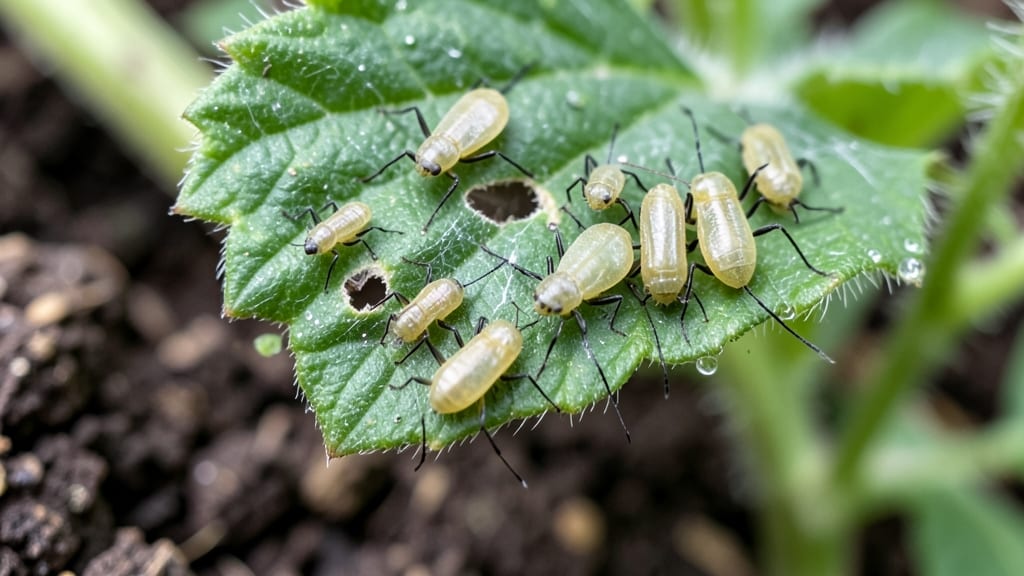
Bugs on tomato plant leaves mean your harvest is at risk—unless you act fast. 🌱 I’ve battled everything from tiny aphids to ravenous hornworms, and these natural sprays stop the damage in its tracks without harsh chemicals.
The key is identifying the pest first, then hitting it with the right targeted treatment. Most gardeners panic when they see holes or sticky residue, but the real damage comes from delayed action. Aphids cluster on undersides, hornworms strip leaves overnight, and spider mites leave webbing like dust.
I’ve tested the most effective sprays—neem oil, insecticidal soap, and a homemade garlic-chili mix—that work within 24-48 hours when applied correctly. By sunset, your plants will look revived with fewer pests and stronger growth.
The secret is consistency: spray every 3-5 days until the infestation disappears, and always check leaves at dawn when bugs are sluggish. Prevent future outbreaks with companion plants like basil or marigolds. Works for all common tomato pests, from seedlings to full-sized plants.
Here’s how to diagnose and treat them—fast.
Root Causes Of Leaf Invaders
When tiny critters start feasting on your tomato leaves, it’s rarely a random act of nature—there’s usually a specific reason they’ve chosen your plants as their all-you-can-eat buffet.
Understanding these triggers is the first step to kicking them out for good. Let’s break down the most common culprits and why they’re crashing your garden party.
Tomatoes thrive when they have space to breathe, but when plants are packed too tightly or struggling from poor soil, drought, or nutrient deficiencies, they become weaker—and pests take notice. Here’s why:
- Weakened defenses: Stressed plants produce fewer secondary metabolites (like alkaloids and terpenes), which naturally repel insects. Bugs like aphids and spider mites detect this vulnerability and move in.
- Moisture buildup: Overcrowded foliage traps humidity, creating the perfect microclimate for soft-bodied pests (e.g., whiteflies, thrips) to thrive. Poor airflow also slows drying after watering, prolonging ideal pest conditions.
- Root competition: When roots are starved for nutrients or water, the plant diverts energy from leaf health, making them less tough and easier for chewers (like hornworms) to devour.
Actionable fix: Prune aggressively to improve airflow, mulch to retain moisture, and fertilize with balanced organic matter (like compost tea) to boost plant resilience.
Bugs don’t just appear out of thin air—they hitchhike on debris, old plant matter, and even your tools. A messy garden is like a bug motel, offering shelter and breeding grounds. Key offenders:
- Debris hotspots: Leaves, stems, and fallen fruit create hiding spots for eggs and larvae. For example, stink bugs lay eggs in crevices of dead plant material, and their nymphs emerge ready to feast.
- Contaminated tools: Pruners, stakes, or even your hands can transfer pests (like tomato hornworm eggs) from infected plants to healthy ones.
- Weeds as pest magnets: Weeds like purslane or nightshade often host aphids and spider mites, which then migrate to your tomatoes.
Actionable fix: Clear fallen leaves weekly, sanitize tools with rubbing alcohol (70%+), and remove weeds within a 3-foot radius of your tomato patch.
Pests don’t just strike randomly—they’re opportunistic and time their attacks to your plant’s life cycle and weather patterns. Here’s how climate plays a role:
| Pest | Peak Activity Period | Why It Happens |
|---|---|---|
| Aphids | Spring to early summer | Cooler temps (50–75°F) slow tomato growth, making new shoots sweeter and softer—aphid favorites. Rain also washes away natural predators like ladybugs. |
| Spider Mites | Hot, dry summer | Drought stress causes plants to wilt slightly, reducing leaf turgor pressure. Mites love this because it makes piercing leaves easier and speeds up their reproduction. |
| Whiteflies | Late summer to fall | Warm nights (75°F+) and high humidity create ideal conditions for their fungus-like growth on sticky honeydew residue. |
Actionable fix: Use shade cloth in peak heat to deter mites, and install yellow sticky traps to monitor whitefly populations early.
Tomatoes are heavy feeders, and when their soil lacks key nutrients or has toxic buildups, they become attractive targets for pests. The science:
- Nitrogen overload: Too much nitrogen (_N_) produces lush but weak leaves—aphids and whiteflies adore tender new growth. A soil test showing N levels >100 ppm is a red flag.
- Phosphorus deficiency: Low _P_ weakens root systems, making plants more susceptible to root-feeding pests like cutworms.
- Salt or chemical residue: Over-fertilization (especially synthetic salts) or hard water buildup can burn roots, stressing plants and inviting pests like thrips.
Actionable fix: Test soil pH (aim for 6.0–6.8) and amend with compost or bone meal to balance nutrients. Avoid synthetic fertilizers; opt for fish emulsion or kelp meal for gradual release.
Pro Tip: 💡 Rotate crops annually to disrupt pest life cycles—never plant tomatoes (or nightshades like peppers/eggplants) in the same spot two years in a row. This breaks the soil-borne pest chain and resets the ecosystem.
Quick Fixes for Leaf Invaders
When tiny pests crash your tomato party, don’t panic—there’s a natural remedy for every uninvited guest! Below, we’ve mapped out the most common bugs on tomato leaves and the fastest, easiest ways to kick them to the curb.
From homemade sprays to garden tweaks, these solutions work in hours (or less!) and keep your plants thriving.
🔥 Signs: Tiny green, black, or yellow clusters on undersides of leaves; sticky residue (honeydew). 🍳 Fix:* Soapy Water Blast
- Mix 1 tsp mild liquid soap (like Castile) + 1 quart water in a spray bottle.
- Spray directly on aphids until leaves glisten (they hate soap!).
- Repeat every 3–4 days until gone.
- Bonus: Spray in early morning to avoid harming bees.
💡 Prevention Tip: Plant basil or marigolds nearby—aphids despise their scent!
🌡️ Signs: Fine webbing on leaves; yellow stippling (like pepper damage). 👨🍳 Fix:* Neem Oil Power Wash
- Mix: 1 tbsp neem oil + 1 tsp dish soap + 1 quart water.
- Shake well (neem oil separates!) and spray both sides of leaves.
- Reapply every 5–7 days for 2–3 weeks.
- Pro Tip: Run a garden hose on high pressure to wash mites off first!
✨ Prevention Tip: Mulch with straw to retain moisture—mites hate humidity!
🔪 Signs: Tiny white moths swarming when you brush leaves; yellowing leaves. 🥘 Fix:* Yellow Sticky Traps + DIY Spray
- Hang yellow sticky traps near plants (whiteflies are drawn to yellow).
- Spray with: 1 tbsp horticultural oil + 1 tsp soap + 1 quart water.
- Cover plants with a lightweight row cover for 3–5 days to suffocate adults.
🎯 Prevention Tip: Avoid over-fertilizing with nitrogen—whiteflies love lush, soft leaves!
⏰ Signs: Large green caterpillars with white stripes; chewed leaves overnight. 🍅 Fix:* Manual Removal + Beneficial Bugs
- Handpick worms (drop in soapy water—no waste!) early in the morning.
- Release ladybugs or parasitic wasps (they hunt hornworms naturally).
- Spray with: 1 tbsp garlic + 1 quart water (hornworms avoid the smell).
💡 Prevention Tip: Plant dill or fennel nearby—hornworms’ predators love these herbs!
🌙 Signs: Rolled or chewed leaves at night; tiny brown bugs hiding under mulch. 🔪 Fix:* Diatomaceous Earth Barrier
- Sprinkle food-grade diatomaceous earth (DE) around the base of plants.
- Water lightly after application (DE works by dehydrating pests).
- Check traps: Roll up damp newspaper near plants—earwigs hide inside overnight.
🎯 Prevention Tip: Reduce mulch moisture—earwigs thrive in damp areas!
If bugs keep coming back, reset your tomato’s environment with these steps:
- Prune damaged leaves (don’t compost them—burn or trash).
- Rotate crops next season (don’t plant tomatoes in the same spot).
- Encourage predators: Plant nasturtiums, alyssum, or dill to attract ladybugs and lacewings.
- Water at the base (not overhead) to avoid attracting soft-bodied pests.
Remember: Consistency is key! Most natural sprays take 3–5 applications to fully eliminate pests. Once your tomatoes are bug-free, enjoy the sweet reward of your hard work—literally! 🍅✨
Frequently asked questions
Why do bugs suddenly appear on my tomato leaves when my plants look healthy?
Even healthy tomatoes attract pests when environmental conditions are perfect for them. Aphids and whiteflies thrive in warm, humid weather, while spider mites love dry, hot conditions. Bugs often arrive via wind, water, or even on tools—so check for new plants, weeds, or debris nearby that might be harboring them.
Can I use vinegar spray to kill bugs on tomato leaves?
Neat white vinegar is too harsh for tomato plants, but a 1:1 vinegar-water mix with 1 tsp dish soap can work for soft-bodied pests like aphids. Always test on a small leaf first—vinegar can burn foliage. For stubborn infestations, neem oil or insecticidal soap is safer and more effective.
How do I know if the bugs on my tomato leaves are harmful or beneficial?
Harmful bugs like aphids, hornworms, and spider mites cause visible damage (chewed leaves, webbing, or sticky residue). Beneficial insects such as ladybugs, lacewings, and parasitic wasps have predatory behaviors—they hunt pests rather than eat leaves. Look for ladybug larvae (spiky orange caterpillars) or lacewing eggs (tiny yellow dots on leaves).
Will homemade sprays work as fast as store-bought pesticides?
Homemade sprays like neem oil or soapy water take 24-48 hours to show results, while synthetic pesticides may act faster—but they also kill beneficial insects and harm the environment. For immediate control, combine sprays with manual removal (handpicking caterpillars) or traps (yellow sticky cards for whiteflies).
What’s the best time of day to spray tomato leaves for pests?
Early morning (before 9 AM) is ideal—bugs are sluggish, and the solution has time to dry before the heat of the day. Avoid spraying when bees are active (midday) or in extreme heat, which can stress your plants. Water the soil first to prevent leaf burn from concentrated sprays.