
Container Gardens
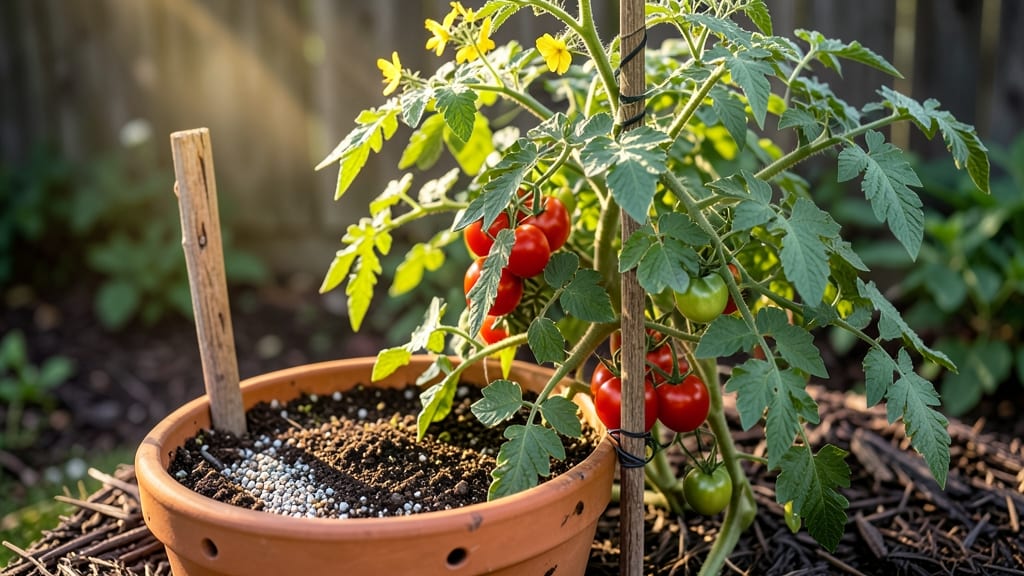
Caring for tomato plants in containers means you can grow heirloom beefsteaks on a balcony or patio—no backyard needed. 🌱 The secret isn’t just the right pot (though that matters), but how you mimic the deep, fertile soil tomatoes crave in a small space.
I’ve turned my tiny urban patio into a productive tomato factory by focusing on three non-negotiables: soil depth, watering discipline, and strategic pruning.
Start with a 5-gallon minimum container—any smaller and roots get cramped fast. Fill it with a mix of 50% potting soil and 50% compost, then add a slow-release fertilizer to keep those vines fed.
Water when the top inch feels dry, but don’t let them sit in soggy soil—container tomatoes wilt faster than in-ground ones. A saucer under the pot catches excess water, saving your plants from root rot.
By mid-summer, you’ll be snipping pound after pound of ripe tomatoes with just a few plants. The trick is pruning aggressively—remove suckers early to focus energy on fruit, not foliage—and using cage supports to keep vines upright.
Even in small pots, tomatoes can produce 20+ pounds per plant if you stay on top of these basics.
Container tomatoes need 6+ hours of direct sun daily, so place them where they’ll get morning light and afternoon shade in hot climates. If your patio gets scorched, a white shade cloth (30% block) keeps temps down without sacrificing growth.
Troubleshoot yellow leaves? Check your watering—overhead watering can spread disease, so drip irrigation or a watering can at the base works best.
📚 In This Guide
- What you need
- Instructions
- Tips and common mistakes
- Wrapping up and next steps
What you need
- ● Container: At least 5-gallon capacity (bigger is better for indeterminate varieties). Choose containers with drainage holes (or drill them yourself!).
- ● Potting Mix: 10-15 lbs of high-quality, well-draining container-specific mix (avoid garden soil—it compacts!).
- ● Tomato Plants: 1-2 plants per container (determinate varieties thrive in smaller pots; indeterminate need more space).
- ● Support: Cage or trellis (for indeterminate varieties)
- ● Stakes or bamboo poles (for determinate varieties)
- ● Fertilizer: Balanced 10-10-10 or 5-10-10 fertilizer (for seedlings)
- ● Tomato-specific high-potassium fertilizer (e.g., 5-10-15) once flowering starts
- ● Pruning shears (for trimming suckers and dead leaves)
- ● Watering can or hose with gentle nozzle (avoid overhead watering)
- ● Mulch (straw or shredded leaves to retain moisture)
- ○ pH Test Kit (optional but helpful—aim for 6.0-6.8)
- ○ Slow-release fertilizer tablets (optional, for convenience)
Step-by-step guide to thriving container tomatoes
Here’s how I keep my container tomatoes producing heavy fruit all season—no sprawling vines or wasted space.
🪴 Step 1: Choose the Right Containers and Support System
Start with containers that are at least 12-18 inches deep—tomatoes need room for strong root systems. I use 5-gallon fabric grow bags for my 4 plants because they’re lightweight, allow roots to breathe, and prevent soil compaction. Add a tomato cage or sturdy trellis right away—you’ll wish you had it later when vines reach for the sky.
Position cages inside the pot before planting so roots grow through the holes naturally. If using a trellis, secure it with zip ties or soft garden twine to avoid damaging stems as plants grow. The goal is to train vines upward immediately, which saves space and improves airflow—critical for preventing fungal diseases like blight.
☀️ Step 2: Provide Full Sun and Consistent Heat
Tomatoes demand 6-8 hours of direct sunlight daily, but containers need even more heat retention. Place pots on heat-absorbing surfaces like concrete or dark-colored bricks during cool mornings. In my zone 7 garden, I move containers to a south-facing patio by 10 AM and bring them back indoors if evening temps drop below 55°F—cold roots stunt growth overnight.
Watch for splitting stems or yellowing leaves—these are signs your plants are overheating. If leaves curl upward like a taco, it’s too hot; if they droop by midday, they need more shade. A lightweight shade cloth (30-50%) stretched above containers on scorching days keeps fruit from sunscald while still allowing light penetration.
💧 Step 3: Master the Watering Routine for Container Tomatoes
Containers dry out 2-3 times faster than in-ground beds, so I water deeply every morning using a soaker hose or drip irrigation placed at the base. Aim for 1-2 gallons per plant daily during fruit set, adjusting for heat—if the soil feels dry 1 inch below the surface, it’s time to water again. The key is consistency: fluctuations cause blossom-end rot or cracked fruit.
Never let water pool in saucers—empty them immediately after watering to prevent root rot. I mulch with 2 inches of straw to retain moisture and regulate soil temperature. This simple step cuts watering by 30% while keeping roots cool enough to absorb nutrients efficiently.
✂️ Step 4: Prune and Feed for Heavy Production
Prune suckers (the small shoots that form in the leaf axils) weekly to redirect energy to fruit production. I remove them with my fingers—no need for shears—while inspecting for pests. Leave 2-3 main stems on indeterminate varieties (like 'Sungold') and 1-2 stems on determinate types (like 'Roma'). This prevents overcrowding and improves airflow, which is your first line of defense against diseases.
Feed plants every 2 weeks with a balanced liquid fertilizer (10-10-10) mixed at half-strength. When flowers appear, switch to a low-nitrogen, high-phosphorus formula (5-10-10) to boost flowering and fruiting. I also sprinkle 1 tablespoon of Epsom salt around the base monthly—it’s packed with magnesium, which prevents yellowing between leaf veins (a classic tomato deficiency).
🌿 Step 5: Harvest and Maintain Through the Season
Harvest tomatoes when they’re fully colored but still slightly firm—this encourages continuous production. I pick every 2-3 days during peak season to prevent overripe fruit from sapping energy from new blooms. Store harvested tomatoes at room temperature (never in the fridge) until they ripen fully—cold temperatures destroy their flavor.
As summer winds down, reduce watering gradually to harden off plants for fall. If frost threatens, bring containers indoors to a bright, cool spot (50-60°F) and harvest any remaining green tomatoes. They’ll ripen indoors over 1-2 weeks if you place them in a paper bag with a banana (the ethylene gas speeds up ripening). This extends your harvest by 3-4 weeks—worth the effort!
Tips & tricks for thriving container tomatoes
These space-saving secrets will help your container tomatoes grow like they're in the ground—without the sprawl.
Container Depth Matters: The 12-18 inch depth requirement isn't just about roots—it's about stability. Shallow containers dry out faster and can't support the weight of heavy fruit. I've seen tomatoes topple when planted in containers under 12 inches. If you're limited to shallower pots, add a layer of pebbles at the bottom to improve drainage and create more root space. For extra stability, place containers on sturdy stands or bricks to prevent tipping as vines grow.
Root Zone Temperature Control: Those 55°F evening temps aren't just a guideline—they're critical. Cold roots can't absorb nutrients efficiently, which directly impacts fruit production. I've found that wrapping containers with insulating bubble wrap during cool nights (especially in zones 6 and below) can maintain root zone temperatures. For daytime heat, position containers on dark-colored bricks or pavers—they absorb and radiate heat back to the roots. This simple trick can extend your growing season by 2-3 weeks in cooler climates.
Watering Consistency is Non-Negotiable: The 1-2 gallons per plant daily during fruit set isn't just about quantity—it's about timing. I've ruined multiple harvests by watering inconsistently, leading to blossom-end rot. Use a moisture meter to check soil moisture at the 1-inch depth mark. For busy gardeners, set up a simple drip irrigation system on a timer—it's worth the investment. Remember, containers dry out 2-3 times faster than in-ground beds, so morning watering is essential to prevent afternoon wilting.
Pruning Strategy for Maximum Yield: The weekly pruning schedule for suckers isn't just about tidiness—it's about redirecting energy to fruit production. I've noticed that indeterminate varieties like 'Sungold' respond best to keeping 2-3 main stems, while determinate types like 'Roma' thrive with 1-2 stems. The key is to prune early in the day when stems are firm, and always use clean shears or your fingers to prevent disease transmission. This simple habit can increase your yield by 30-40% by eliminating unnecessary foliage competition.
Pro Tips for Caring For Tomato Plants In Containers
- These space-saving secrets will help your container tomatoes grow like they're in the ground—without the sprawl.
- Container Depth Matters: The 12-18 inch depth requirement isn't just about roots—it's about stability.
- Root Zone Temperature Control: Those 55°F evening temps aren't just a guideline—they're critical.
Frequently asked questions
Got questions about growing tomatoes in containers? You’re not alone! Here are answers to the most common concerns to help your plants thrive—even in small spaces.
What’s the best container size for tomato plants?
Aim for at least 5 gallons (18 liters) per plant—this gives roots room to grow and supports heavy fruit. Dwarf varieties like ‘Tiny Tim’ can thrive in 1-gallon pots, but standard tomatoes need bigger space. Pro tip: Wider containers (not deep) encourage stronger root systems.
How often should I water container-grown tomatoes?
Check soil moisture daily—containers dry out faster than ground soil. Water deeply when the top inch feels dry, usually every 1-2 days in hot weather. Use saucers to catch runoff and mulch to retain moisture. Warning: Overwatering leads to root rot!
Can I grow tomatoes in containers without pruning?
Yes, but expect smaller yields. Pruning (removing suckers) improves air flow and directs energy to fruit. If you skip it, opt for determinate varieties (bush types) like ‘Roma’ or ‘Patio Princess’—they’re more compact. Trade-off: Less pruning = less work but fewer tomatoes.
What pests should I watch for in container tomatoes?
Common culprits include aphids, hornworms, and whiteflies. Inspect leaves regularly! Use neem oil or insecticidal soap for mild infestations. Preventative tip: Place containers in sunny spots to deter slugs and snails. For severe issues, handpick pests or introduce beneficial insects like ladybugs.
Do container tomatoes need extra fertilizer?
Containers drain nutrients quickly. Use a balanced fertilizer (10-10-10) every 2-3 weeks, then switch to low-nitrogen, high-phosphorus (5-10-10) when flowers appear. Bonus: Mix compost into soil at planting for slow-release nutrients.
Wrapping up and next steps
Caring for tomato plants in containers is all about balance—space, sunlight, and love! 🌱 With the right pots, soil, and support, even small balconies or patios can yield bountiful harvests. Remember: prune regularly, water wisely, and fertilize thoughtfully to keep your vines thriving.
Ready to grow? Start with one plant—gain confidence, then expand! Share your progress (and tasty tomatoes!) with fellow gardeners. Happy planting! 🍅✨