
Pests
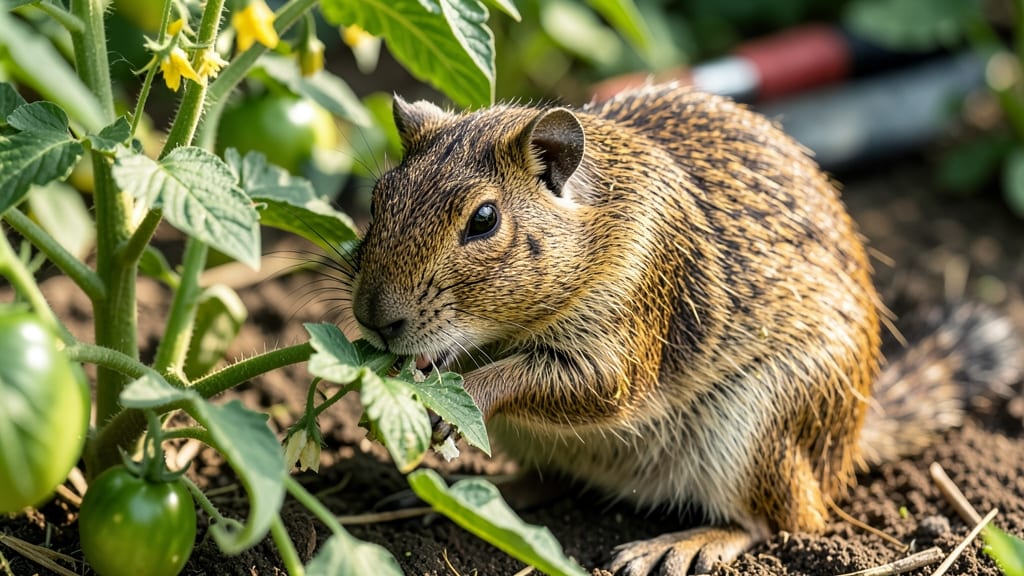
Groundhogs eat tomato plants voraciously, chewing through stems and leaves while also digging tunnels that uproot seedlings. Their spring and summer feeding frenzy can turn a thriving garden into a destroyed landscape within weeks.
Groundhogs are primarily herbivores with a particular fondness for tender, leafy plants like tomatoes. 🌱 The soft stems and high moisture content of tomato plants make them especially appealing, while their burrowing habits create additional damage by disrupting root systems.
Unlike rabbits that nibble selectively, groundhogs often consume entire plants, leaving gardeners with little warning. This destructive behavior peaks during growing season when food is abundant, making prevention strategies crucial for protecting your tomato crops.
What makes this issue worse is how quickly groundhogs adapt to garden defenses. Many commercial repellents lose effectiveness after just a few applications, forcing gardeners to combine multiple strategies for long-term protection.
The key is understanding their behavior patterns - they're most active at dawn and dusk, which helps determine the best times to implement deterrents.
💡 In This Article
- Why Groundhogs Target Tomato Plants and Other Garden Vegetables
- Effective Groundhog Deterrents for Tomato Gardens
Why groundhogs target tomato plants and other garden vegetables
Groundhogs, also known as woodchucks, are primarily herbivores with a strong preference for tender, nutrient-rich plants like tomatoes. Their diet consists of about 80% vegetation, with leaves and stems being their favorite targets. 🌿 The soft, succulent nature of tomato plants—especially young seedlings—makes them an easy and appealing meal.
Groundhogs use their sharp incisors to gnaw through stems, often severing entire plants at ground level, while their powerful jaws can crush thicker stems with ease.
Their attraction to tomatoes stems from the high moisture and nitrogen content in the leaves, which provide essential hydration and protein. Unlike rabbits that nibble selectively, groundhogs often consume entire plants, leaving behind jagged, uneven bite marks that distinguish their feeding from other pests.
Their sense of smell is incredibly acute, allowing them to detect ripe tomato fruits from up to 30 feet away, which is why even mature plants aren't safe once they're in the garden.
Seasonal patterns play a huge role in their destructive behavior. Groundhogs are most active during spring and summer when food is abundant, and their feeding peaks coincide with tomato planting season. Studies show that groundhog activity increases by 40-50% during these months as they prepare for hibernation in late fall.
This timing makes tomato gardens particularly vulnerable, as plants are at their most tender and susceptible to damage during early growth stages.
Another critical factor is their burrowing habit. Groundhogs dig extensive tunnel systems that can extend 15-20 feet long and 3-4 feet deep, often directly beneath garden beds. This not only uproots plants but also compacts soil, reducing drainage and nutrient availability.
The combination of direct feeding and underground damage creates a double threat that can devastate a garden within just a few weeks of infestation.
What most gardeners don't realize is how groundhogs learn from experience. Once they discover a food source, they'll return repeatedly, often expanding their feeding range. Unlike some pests that scatter their damage, groundhogs create concentrated destruction zones where they've established feeding patterns.
This behavior makes early intervention absolutely critical—once they've marked a garden as a reliable food source, conventional deterrents become significantly less effective.
Their nocturnal and crepuscular nature (active at dawn and dusk) adds another layer of challenge. Groundhogs spend about 6-8 hours per day foraging, with peak activity occurring during these low-light periods when gardeners are least likely to notice their activity.
This explains why many gardeners only discover the damage after significant harm has already been done.