
Pests
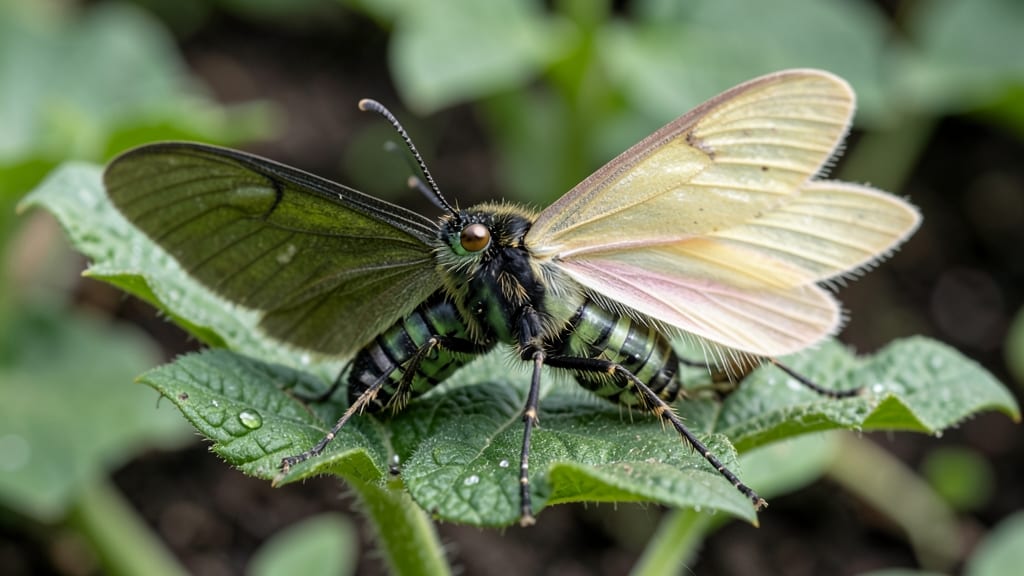
Yes, tomato worms do turn into moths: they are the larval stage of hornworms, which eventually pupate and emerge as large, greenish-brown sphinx moths known for their distinctive striped bodies and long proboscises.
These caterpillars, often found devouring tomato leaves, belong to the manduca sexta species and undergo complete metamorphosis. 🌱 The transformation begins when the larva spins a cocoon (pupation), lasting about 2 weeks before emerging as an adult sphinx moth.
Interestingly, the moths themselves don't harm plants—they're nocturnal pollinators that play a crucial role in the ecosystem.
Understanding this life cycle helps gardeners time their interventions effectively. For instance, removing pupae prevents future infestations while allowing beneficial insects like parasitic wasps to thrive. The adult moths' striking appearance and rapid flight make them fascinating to observe, though their caterpillar stage is what typically causes gardeners concern.
💡 In This Article
- Hornworm Life Cycle: Larva to Moth Transformation
- Identifying and Managing Tomato Hornworm Infestations
Hornworm life cycle: larva to moth transformation
The transformation from tomato worm to moth follows a precise biological process called complete metamorphosis, divided into four distinct stages: egg, larva (tomato worm), pupa, and adult.
The journey begins when female sphinx moths lay oval, yellowish eggs on tomato plants—each egg measures about 1/8 inch and hatches in roughly 3-5 days under ideal conditions (warmth and humidity).
The newly emerged larvae, or tomato worms, immediately start feeding voraciously, growing up to 4 inches in length within just 2-3 weeks. 🔥
As larvae mature, they undergo five molts, shedding their exoskeletons to accommodate rapid growth. The final larval stage is when they're most destructive, consuming entire tomato leaves overnight. Once fully grown, the tomato worm seeks a sheltered spot (often near the plant base or under leaves) to pupate.
The pupal stage lasts approximately 10-14 days, during which the larva transforms internally—its body breaks down and reorganizes into the adult moth's structures through a process called histolysis. The pupa's exterior may appear greenish-brown with subtle markings that mimic its surroundings for camouflage.
Environmental triggers play a crucial role in this transformation. Temperature is the most significant factor: pupation typically occurs when daytime temperatures drop below 75°F, signaling the larva that conditions are right for metamorphosis. Humidity also matters—low moisture levels can delay pupation or even kill developing larvae.
What's fascinating is that the adult moth emerging from this process won't eat plants at all; instead, it becomes a nocturnal pollinator with a 2-inch-long proboscis designed to reach deep into flowers for nectar. 🌟
This life cycle explains why gardeners often see tomato worm damage in late summer but may not notice the adult moths until early fall. The adult sphinx moths live only about 7-10 days as adults, during which they mate and lay eggs to begin the cycle anew.
The rapid progression from egg to adult in just 6-8 weeks means gardeners must act quickly to prevent multiple generations from overwhelming their tomato plants each season.
Interestingly, the pupal stage is when parasitic wasps often intervene. These tiny predators lay their eggs inside hornworm pupae, and their larvae consume the developing moth from within—a natural biological control that gardeners can encourage.
The wasp larvae then pupate inside the empty hornworm case, emerging as adult wasps ready to continue the cycle. This ecological relationship highlights why some gardeners choose to leave pupae undisturbed rather than removing them entirely. 💫
Understanding these biological details helps gardeners time their interventions effectively. For example, removing large larvae before they pupate can prevent future infestations, while preserving pupae might allow beneficial wasps to do their work naturally.
The key is recognizing that what appears to be a destructive pest is actually part of a complex, interconnected ecosystem that includes both threats and allies for the gardener. ✨