
How To
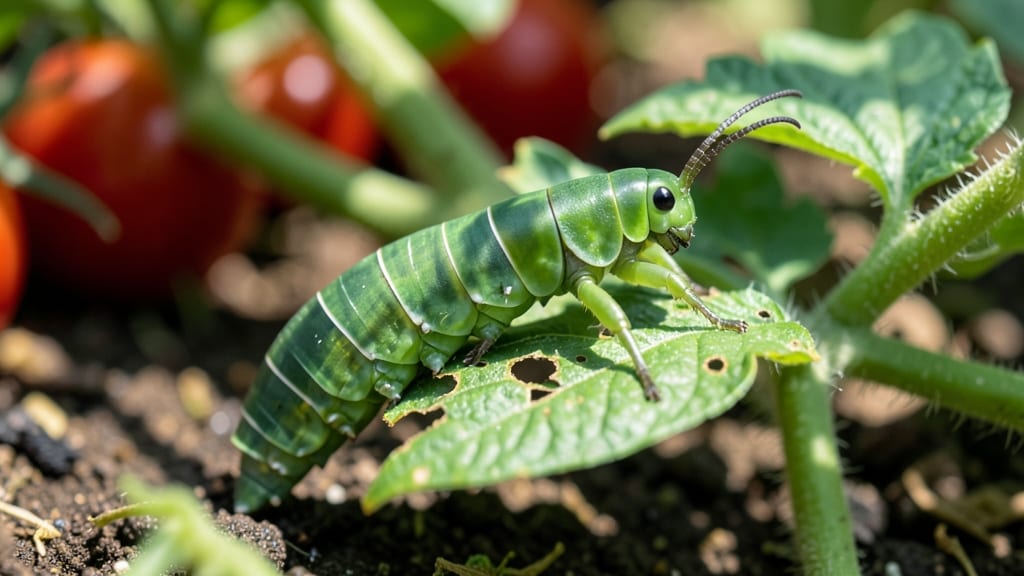
Insects that eat tomato leaves—like hornworms, aphids, Colorado potato beetles, and tomato fruitworms—destroy foliage by chewing, sucking sap, or laying eggs, which weakens plants over time. Catching these pests early with organic methods is your best defense.
These leaf-munching pests don't just ruin your harvest—they can kill tomato plants if left unchecked. 🌱 For example, hornworms can strip a plant bare in days, while aphids leave behind sticky honeydew that attracts mold.
Colorado potato beetles, with their bright yellow eggs, are particularly aggressive, often returning year after year to the same garden spots.
The key to stopping them is combining physical removal (like handpicking or shaking plants over a bucket) with organic sprays such as neem oil, which disrupts their life cycles without harming beneficial insects.
What many gardeners overlook is the role of companion plants—basil and marigolds, for instance, naturally repel some of these pests. I've seen firsthand how adding these to tomato beds can cut down on damage by up to 50%.
The earlier you intervene, the better your chances of saving your crop, so I always recommend checking plants weekly during growing season.
💡 In This Article
- How Common Tomato Leaf-Eating Insects Damage Plants
- Natural Ways to Control Tomato Leaf Pests Organically
How common tomato leaf-eating insects damage plants
Hornworms are among the most destructive tomato leaf pests, capable of consuming entire leaves within 24-48 hours due to their voracious appetite. These green caterpillars, which can grow up to 4 inches long, leave behind ragged holes and skeletonized foliage as they feed.
Their damage isn't just cosmetic—they also transmit viruses like tomato mosaic virus, which stunts plant growth and reduces fruit production. What makes them particularly sneaky is their camouflage: their green bodies blend seamlessly with tomato leaves, making them hard to spot until the damage is already severe.
Aphids, on the other hand, don't chew leaves but instead pierce plant cells with their needle-like mouthparts to suck out sap. This feeding weakens tomato plants by depriving them of essential nutrients, causing leaves to curl, yellow, and eventually drop. The real kicker?
Aphids excrete a sticky substance called honeydew, which attracts sooty mold—a black fungal growth that coats leaves and blocks sunlight. A single aphid can reproduce 7-8 generations per season, leading to explosive population growth if left unchecked.
Their soft bodies make them vulnerable to natural predators like ladybugs, but their rapid reproduction often outpaces these defenses.
Colorado potato beetles take a different approach by skeletonizing leaves, leaving only the veins intact. Adult beetles and their larvae both feed on tomato foliage, and their bright yellow eggs are laid in clusters on the undersides of leaves.
These pests are particularly persistent, often overwintering in garden debris and returning each spring to feast on your plants. A single beetle can lay up to 500-1,000 eggs in its lifetime, creating a new generation of leaf-eaters that can strip a plant bare in weeks.
Their feeding stress also makes plants more susceptible to disease and environmental stressors like drought.
Tomato fruitworms, while primarily targeting fruit, also munch on leaves and stems. Their larvae bore into tomatoes, creating entry points for rot and bacteria, but their feeding on foliage can weaken the plant's overall health. These pests are most active during warm weather, with larvae reaching 1-1.5 inches in length.
Unlike other pests, fruitworms are less visible until they've already caused significant damage, as they hide inside fruit or under leaves during the day. Their presence is often revealed by small holes in leaves or silken webbing where they pupate.
The cumulative effect of these pests is a weakened tomato plant that struggles to photosynthesize, produce flowers, or set fruit. For example, a plant heavily infested with hornworms may produce only 20-30% of its normal yield, while aphid damage can reduce growth by up to 50%.
The key to minimizing damage is understanding each pest's lifecycle and behavior—like knowing that Colorado potato beetles prefer to feed during the hottest part of the day, making early morning inspections more effective. 🔥
What most gardeners don't realize is that these pests don't just attack leaves—they target the plant's most vital parts. Aphids, for instance, often cluster around new growth, stunting the development of critical branches. Meanwhile, hornworms may chew through stems, causing plants to collapse.
The combination of physical damage, nutrient loss, and disease transmission creates a perfect storm that can turn a thriving tomato plant into a struggling survivor in just a few weeks. Recognizing the early signs—like chewed leaves, curled foliage, or sticky residue—is your first line of defense against these silent destroyers.