
How To
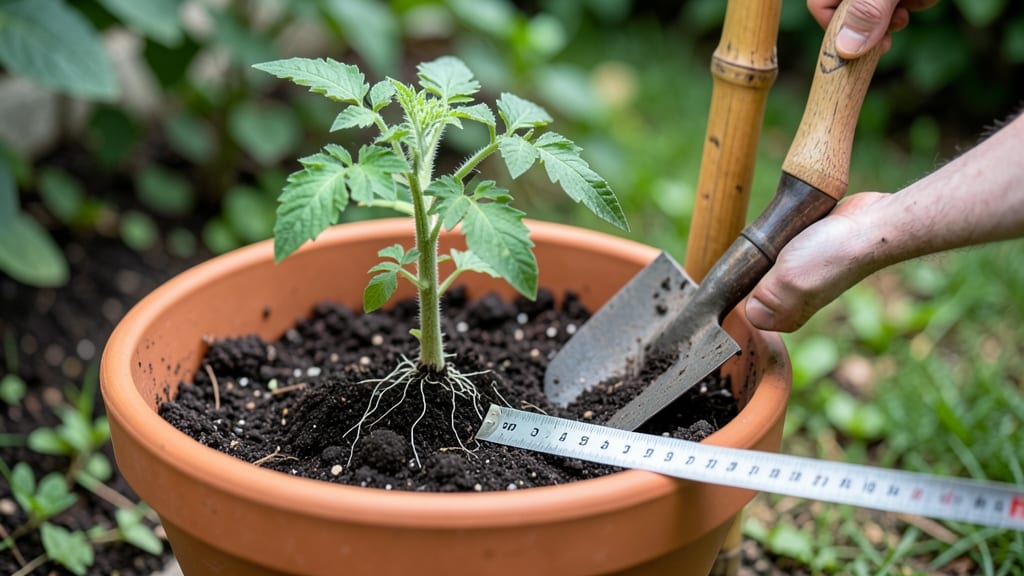
Tomato plants should be planted deep enough to bury ⅔ of the stem for the strongest roots and biggest harvests 🍅 — a trick that turns floppy seedlings into sturdy vines overnight.
Planting tomato seedlings too shallow or too deep can stunt growth, weaken roots, and even kill your plants—so getting the depth right is the foundation of a thriving harvest.
Most gardeners assume "deep" means burying the whole plant, but that’s a myth. The key is exposing just the top leaves while encouraging hidden stems to grow roots along the buried portion.
In this guide, I’ll break down the exact inch-by-inch depth for bare-root seedlings, potted plants, and seeds, plus how to fix common mistakes that leave your tomatoes struggling from day one.
Optimal tomato planting depth by seedling type: exact inch measurements
Getting the tomato planting depth right isn't just about following a rule—it's about understanding how your plant's root system develops from the moment you set it in the soil. Too shallow, and you risk weak stems and poor nutrient uptake.
Too deep, and you can suffocate the plant or create rot-prone conditions. The key lies in matching the seedling type with the right soil depth to encourage strong, stable growth.
Tomatoes are unique because they naturally thicken their stems as they grow, especially when buried deeper. This isn't just a gardening trick—it's how they develop secondary roots along the stem, which improves water and nutrient absorption.
Whether you're starting with bare-root seedlings, potted seedlings, or even tomato seeds, the depth you choose directly impacts how quickly your plants establish themselves and how productive they'll be.
Here's the science behind it: when you bury part of the stem, the buried sections—even if they're not yet roots—can develop into new root systems. This is why deep planting is often recommended for tomatoes.
However, the exact depth varies depending on whether you're planting seeds, bare-root seedlings, or container-grown plants. Let's break it down by type so you can plant with confidence.
⚠️ Pro Tip: Always loosen the soil to at least 12 inches deep before planting. Compacted soil restricts root growth, and tomatoes need room to spread their roots for stability and nutrient access.
For tomato seeds, the rule is simple: plant them just ¼ to ½ inch deep. This shallow depth ensures they don't dry out while still allowing enough light to reach the sprouts.
Seeds need warmth and moisture to germinate, and burying them too deep can delay or prevent sprouting entirely. If you're sowing seeds directly in the garden, consider using a seed starter mix that holds moisture well until germination.
When it comes to bare-root seedlings, the magic happens when you bury ⅔ of the stem. This typically translates to 2 to 3 inches deep, depending on the seedling's size.
The buried portion will develop into a thicker stem and additional roots, giving your tomato plant a stronger foundation. Think of it like giving your plant a head start on building its root system before it even hits the ground.
⚠️ Common Mistake: Many gardeners panic and plant seedlings too shallow, leaving the stem exposed. This can lead to weak, leggy plants that struggle to support heavy fruit. Always err on the side of burying deeper—your tomatoes will thank you with stronger growth and higher yields.
If you're transplanting potted seedlings, the goal is to match the depth they had in their container while allowing room for root expansion.
Remove the seedling from its pot and place it in the hole at the same level it was growing before, then add 1 to 2 extra inches of soil around the base. This ensures the transition to the garden is smooth and minimizes stress on the plant.
One of the biggest myths about tomato planting is that you should bury the entire stem. While deep planting is beneficial, burying the top leaves can lead to rot and disease.
Always leave the top set of leaves above the soil line. This ensures the plant can photosynthesize while still benefiting from the buried stem's root development.
For transplanted mature plants, you can go even deeper—burying 3 to 4 inches of the stem. This technique is especially useful for late-season plantings or larger varieties like beefsteak tomatoes.
The deeper you plant, the more stable the plant becomes, reducing the risk of wind damage or stem breakage under the weight of heavy fruit.
Remember, the soil type plays a role too. In sandy soil, which drains quickly, you might need to plant slightly deeper to help the roots establish in moister layers.
In clay soil, which can become waterlogged, planting deeper ensures roots access the drier, more oxygen-rich layers below the surface.
Finally, always water thoroughly after planting to settle the soil and eliminate air pockets around the roots. A deep watering helps the soil adhere to the roots, creating a strong bond that supports early growth.
Within a few weeks, you'll see the difference as your tomatoes develop thicker stems and a robust root system—all thanks to getting the planting depth just right.
Common mistakes that stunt tomato growth (and how to fix them)
Even experienced gardeners sometimes make simple planting mistakes that sabotage tomato growth. Buried stems, shallow roots, or compacted soil can all lead to weak plants that struggle to produce fruit.
The good news? Most of these issues have quick fixes that can save your harvest before it's too late.
One of the biggest culprits is planting too shallow. When tomato seedlings sit just below the soil surface, their root systems don't develop properly, leaving plants vulnerable to wind damage and poor nutrient uptake.
I've seen firsthand how a 1-inch difference in planting depth can mean the difference between a thriving plant and one that barely survives.
⚠️ Critical Planting Depth Rules
Tomato stems should be buried ⅔ of their height (about 2-3 inches for most seedlings). The soil line should reach just below the first true leaves, never covering them. For bare-root seedlings, dig a hole twice as wide as the root ball and 1 inch deeper than the roots.
Warning: Planting too deep can cause stem rot, while shallow planting leads to weak stems that snap under fruit weight.
Another common mistake is over-compacting soil around the roots. When you pat down soil too firmly after planting, you restrict airflow and water penetration. I always use my fingers to gently loosen soil around the roots before backfilling—this creates space for roots to spread without resistance.
For heavy clay soils, mix in compost or perlite to improve drainage.
If you notice your tomato plants leaning or wilting soon after transplanting, they may have circulation issues from poor soil contact. Gently loosen the soil around the base with your fingers or a small hand trowel, then water deeply to encourage roots to establish.
For container-grown tomatoes, ensure drainage holes are present and the pot is at least 12 inches deep to accommodate root growth.
For seed-started tomatoes, a frequent mistake is planting seeds too close to the surface. Seeds need 1/4 to 1/2 inch of soil coverage to germinate properly.
If you've already planted seeds too shallow, cover them with a thin layer of soil or use a spray bottle to mist the area—this can encourage germination without disturbing the seeds.
Finally, never skip the mulching step after planting. A 2-3 inch layer of mulch helps maintain consistent soil moisture and temperature, while also preventing soil-borne diseases from splashing onto leaves. I recommend using straw or grass clippings—just keep them a few inches away from the stem to avoid rot.
With these fixes, your tomato plants will have the strong foundation they need to grow healthier roots, sturdier stems, and bigger yields all season long. 🌱