
Companion Plants
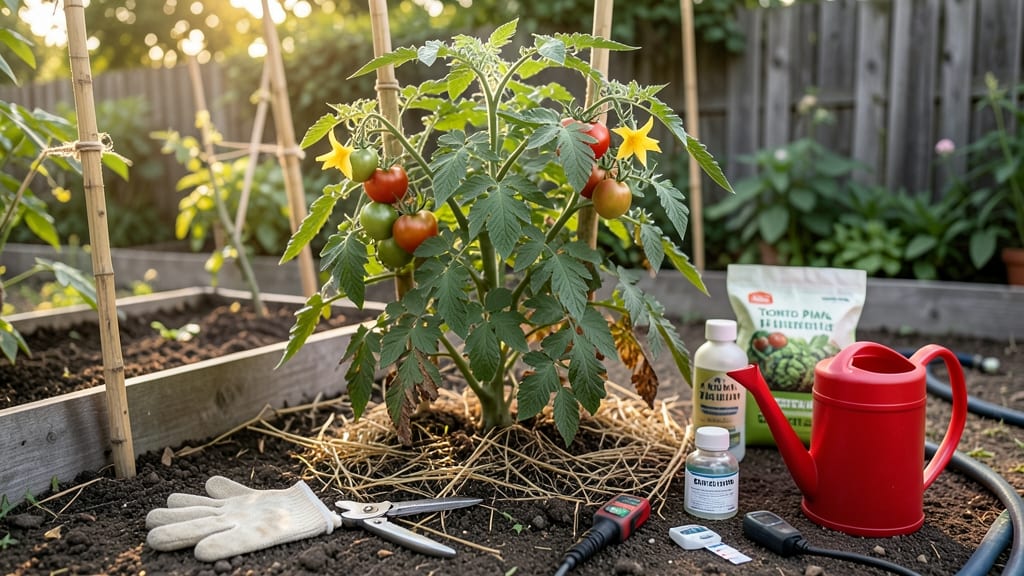
How to fix brown leaves on tomato plants—your harvest could be at risk, but it’s usually fixable in 24 hours. 🌱 I’ve saved dozens of plants from this exact problem, and the culprits are almost always one of three overlooked issues: water stress, hidden pests, or nutrient imbalance. The good news? Each has a simple, fast solution that stops the spread before it ruins your crop.
First, check the soil—dry as dust or soggy like mud both cause browning. Overwatering drowns roots, while underwatering stresses them. Then inspect leaves for tiny webs (spider mites) or black spots (early blight).
Most gardeners blame "old age" when the real fix is adjusting watering or spraying neem oil. A quick soil test reveals if your plants are starving for nitrogen or calcium.
Once you identify the problem, act fast: prune damaged leaves below the browning to prevent disease spread, and adjust watering to 1-1.5 inches per week. For pests, a soapy water spray works wonders.
Within a week, you’ll see fresh green growth—and no more wasted tomatoes. The key is catching it early before the whole plant turns crispy.
Prevention is easier than fixing: mulch to retain moisture, rotate crops yearly, and pick tomatoes every 2-3 days to encourage new growth. These habits keep your plants thriving all season. Now grab your pruners—your tomatoes are waiting!
Root Causes of Browning Leaves
Brown leaves on tomato plants can feel like a sudden betrayal—one day your lush green foliage is thriving, and the next, crispy edges or splotchy discoloration ruins the show. 🍅😬 But before you panic, let’s break down the real science behind why this happens.
Understanding the cause is the first step to saving your plants (and your summer salads!). Below, we’ll explore the most common culprits, from environmental stress to sneaky pests, with clear explanations of what’s actually damaging your tomatoes.
Tomatoes are thirsty, but they hate soggy roots. When soil stays too wet—whether from overwatering, heavy clay, or lack of drainage—roots suffocate from oxygen deprivation. This triggers a chain reaction:
- Root rot (Fusarium or Pythium fungi): Fungal pathogens thrive in waterlogged soil, blocking nutrient uptake and causing leaves to turn yellow or brown, often starting at the edges.
- Nutrient starvation: Roots can’t absorb water or minerals like nitrogen, leading to chlorosis (yellowing) before browning sets in.
- Toxic buildup: Excess water leaches nutrients but leaves behind harmful salts or chemicals, further stressing the plant.
Pro tip: Stick your finger 1–2 inches into the soil—if it’s damp, wait to water. Use raised beds or amend clay soil with compost to improve drainage. 🌱
Brown, crispy leaves can also signal drought stress, especially in hot climates or when plants are neglected during vacations. Here’s the science:
- Plasma membrane damage: When cells lose too much water, their outer membranes rupture, causing necrosis (dead tissue) that appears as brown patches or edges.
- Transpiration overload: On sunny days, leaves lose water faster than roots can replace it, leading to wilting and eventual browning.
- Heat scorch: Temperatures above 90°F (32°C) can cook leaf tissue, turning edges brown and papery—common on young or sensitive varieties like cherry tomatoes.
Pro tip: Water deeply in the early morning to reduce evaporation, and mulch with straw or wood chips to retain moisture. Shade cloth (30–50%) can protect plants during heatwaves. 🌡️
Not all brown leaves are due to water—some are silent invaders wreaking havoc. Here’s how pests and pathogens turn your tomatoes into a sad, crunchy mess:
🔹 Fungal Infections (Early Blight & Septoria Leaf Spot)
| Symptom | Cause | Science Behind It |
|---|---|---|
| Brown spots with concentric rings (Septoria) or target-like lesions (Early Blight) | Alternaria solani or Septoria lycopersici fungi | Fungi infect stomata (leaf pores) and release cell-wall-degrading enzymes, killing tissue. High humidity (70%+) and wet foliage create the perfect breeding ground. |
🔹 Spider Mites & Aphids 🕷️🐜
- Spider mites: These tiny arachnids pierce cells to suck out sap, causing stippling (tiny brown dots) and webbing. Severe infestations lead to leaf scorch and premature browning.
- Aphids: Clusters of these sap-suckers transmit viruses (like Tomato Yellow Leaf Curl Virus) and excrete honeydew, which fosters sooty mold—a black, crusty fungus that blocks sunlight and stresses leaves.
Pro tip: Catch fungal issues early with copper fungicide or baking soda spray (1 tsp baking soda + 1 quart water + a drop of soap). For pests, blast off mites with a strong water spray or introduce predatory insects like ladybugs. 🦋
Next up: How to Diagnose Your Tomato Plant’s Exact Problem—because not all brown leaves are created equal! Stay tuned for actionable fixes tailored to your garden’s specific issues. 🕵️♂️🌿
Fixing Brown Leaves Fast
Now that you’ve identified the culprit behind your tomato plant’s brown leaves, it’s time to take action! Whether it’s a thirsty plant, a fungal infection, or too much sun, each issue has a simple fix.
Below, we’ll break down practical, step-by-step solutions tailored to the most common causes—plus tips to keep your tomatoes thriving long-term.
Brown, crispy leaves (especially at the edges) often signal water stress—either too much or too little. Here’s how to balance it:
1. Check the Soil Moisture 🌱
- Stick your finger 1–2 inches deep into the soil. If it’s dry, it’s time to water. If it’s soggy, hold off.
- Pro tip: 💡 Use a moisture meter for accuracy, especially in pots where soil dries faster.
2. Water Deeply (Not Just the Surface) 💦
- For underwatering: Water slowly and deeply until the soil is moist 6 inches down. Early morning is best to prevent fungal growth.
- For overwatering: Let the top 1–2 inches of soil dry out between waterings.
Improve drainage by adding perlite or sand to heavy clay soil.
3. Adjust Your Watering Routine ⏰
- Mulch (with straw or grass clippings) to retain moisture and regulate temperature.
- Avoid wetting leaves when watering—use drip irrigation or a soaker hose instead of overhead sprinklers.
Yellowing or brown spots with white/gray fuzz (like powdery mildew) or dark, greasy patches (early blight) mean a fungal party’s crashing your tomato’s vibe. Act fast:
1. Prune Infected Leaves 🔪
- Snip off brown or spotted leaves with sterilized scissors (wipe with rubbing alcohol between cuts).
- Dispose of clippings in the trash (not compost)—fungi can survive and reinfect.
2. Boost Airflow 🌬️
- Space plants 18–24 inches apart and stake or cage them to improve circulation.
- Remove nearby weeds or debris that trap moisture.
3. Apply Fungicide (Natural or Store-Bought) 🛡️
- Baking soda spray: Mix 1 tsp baking soda + 1 quart water + a few drops of dish soap.
Spray every 7–10 days. - Neem oil: Combine 1 tbsp neem oil + 1 tsp mild soap + 1 quart water. Spray at dusk (avoid direct sun). - Copper fungicide: Follow label instructions for severe cases.
4. Prevent Future Outbreaks 🛡️
- Rotate crops—don’t plant tomatoes in the same spot yearly.
- Water at the base only (never overhead).
- Harvest promptly—ripe tomatoes attract pests that spread disease.
If leaves look bleached, crispy, or sunken (especially in hot climates), your plants are fried by too much sun or heat.
1. Provide Afternoon Shade 🌳
- Use shade cloth (30–50%) or row covers during peak sun (11 AM–4 PM).
- Plant near tall crops (like corn or sunflowers) for natural shade.
2. Mulch to Cool Roots 🌿
- Apply 2–3 inches of organic mulch (straw, grass clippings) to keep soil temps stable.
- Avoid black plastic mulch—it heats up soil and stresses plants.
3. Water Strategically 💦
- Morning watering helps leaves absorb sunlight without burning.
- Mist leaves lightly on extreme heat days (but avoid evening misting to prevent fungal growth).
4. Choose Heat-Tolerant Varieties 🌶️
- Opt for heat-resistant tomatoes like ‘Solar Fire,’ ‘Heatmaster,’ or ‘Arkansas Traveler.’
Brown leaves can also signal lack of key nutrients. Here’s how to diagnose and treat:
| Symptom | Likely Cause | Quick Fix |
|---|---|---|
| Yellow lower leaves | Nitrogen deficiency | Add compost or blood meal (high-nitrogen). |
| Purple stems/leaves | Phosphorus deficiency | Use bone meal or rock phosphate. |
| Brown leaf edges | Potassium deficiency | Feed with banana peel tea or potassium sulfate. |
| Slow growth, weak stems | General malnutrition | Fish emulsion or balanced fertilizer (10-10-10). |
Prevention Tips:
- Test soil every 2–3 years and amend as needed.
- Avoid over-fertilizing—more isn’t better! Follow package instructions.
- Use organic matter (compost, worm castings) for slow-release nutrients.
- Inspect plants weekly for early signs of stress or pests.
- Rotate crops annually to prevent soil-borne diseases.
- Keep plants healthy with balanced care (water, sun, nutrients).
- Harvest regularly—ripe tomatoes = less stress on the plant!
With these fixes, your tomato plants should bounce back in no time—and you’ll be on your way to a bumper crop of juicy, red tomatoes! 🍅🔥
Frequently asked questions
Why are my tomato plant leaves turning brown at the edges first?
Edge browning often signals underwatering or heat stress. Tomato leaves lose moisture fastest through their edges, so dry conditions cause those areas to crisp first. Check soil moisture 1–2 inches deep—if it’s dry, water deeply in the morning. For heat stress, provide afternoon shade with shade cloth (30–50%) or mulch with straw to cool roots.
Can I save my tomato plant if most leaves are brown and crispy?
It depends! If only lower leaves are affected (common with age or blight), prune them and focus on new growth. But if most leaves are brown and crispy, the plant may be too stressed to recover. Check roots first—healthy roots mean there’s still hope! Improve soil drainage, reduce watering, and apply compost to revive the plant.
Is it safe to eat tomatoes from a plant with brown leaves?
Yes, but only if the browning is from water stress or age (not fungal diseases like blight). Avoid tomatoes from plants with black spots, mold, or wilting—these can indicate harmful pathogens. Harvest ripe tomatoes promptly to reduce plant stress, and compost any damaged foliage to prevent reinfection.
How often should I fertilize tomato plants to prevent brown leaves?
Feed tomato plants every 2–4 weeks with a balanced fertilizer (10-10-10) during growing season. Over-fertilizing causes salt buildup, which stresses roots and leads to browning. For organic options, use compost tea or fish emulsion. Always water thoroughly after fertilizing to prevent root burn.
What’s the difference between brown leaves from overwatering vs. underwatering?
Overwatered plants show yellowing leaves with brown edges (from root rot) and often have mushy stems. Underwatered plants have dry, crispy brown edges and may wilt during the day. Test soil moisture—if it’s soggy, reduce watering; if dry, water deeply until soil is moist 6 inches down.