
Pests
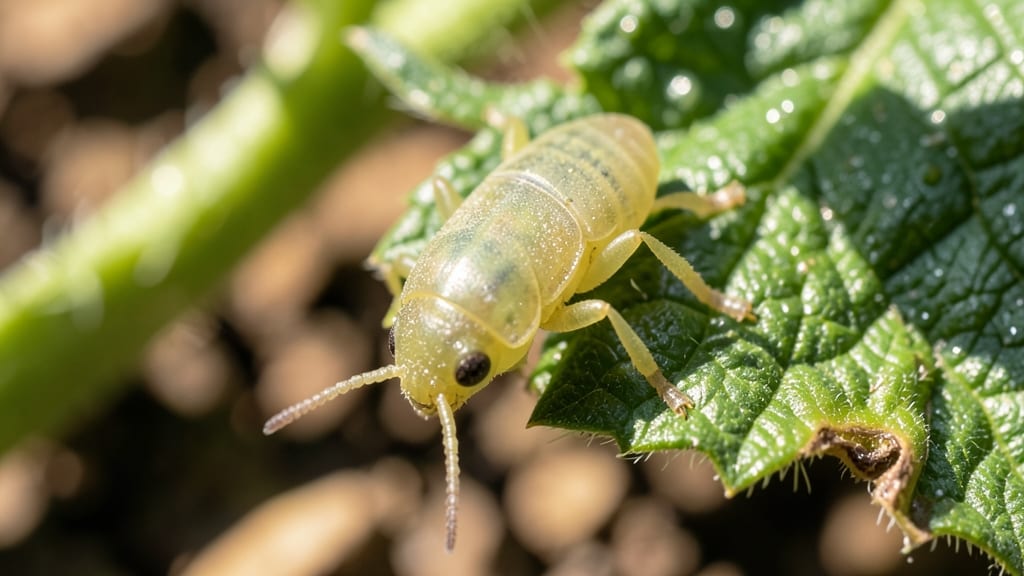
To get rid of tomato aphids, spray plants with a mixture of water, dish soap, and neem oil, or use a strong stream of water to dislodge them. Repeat every 3-5 days until eliminated, and introduce beneficial insects like ladybugs for long-term control.
Tomato aphids thrive because they love feeding on the sap-rich leaves of tomato plants, which gives them the energy to reproduce rapidly. 🌱 These tiny pests can multiply into hundreds within days, turning your garden into a sticky mess while spreading diseases like mosaic virus.
The key to stopping them is acting fast—once they've taken hold, they're harder to control without harming your plants.
For a quick fix, I recommend mixing 1 teaspoon of mild dish soap and 1 tablespoon of neem oil in a quart of water. Spray this solution directly on the aphids early in the morning when they're most active, focusing on the undersides of leaves where they hide.
The soap disrupts their protective coating, while the neem oil suffocates them. If you prefer a mechanical approach, a sharp blast of water from your hose can knock them off without chemicals.
💡 In This Article
- Why Tomato Aphids Infest Plants and How They Spread
- Best Natural Sprays to Kill Tomato Aphids Fast
Why tomato aphids infest plants and how they spread
Tomato aphids target your plants because they're drawn to the sweet, nutrient-rich sap found in tomato leaves and stems. These pests have specialized mouthparts called stylets that pierce plant tissues to access the phloem—where sugars and nutrients flow.
A single aphid can consume 12-16 times its body weight in sap daily, which is why infestations happen so quickly. 🌿 The warmer the weather (especially 70-85°F), the faster they reproduce, with females giving birth to live nymphs every 7-10 days without mating.
The real danger lies in how they spread. Aphids excrete a sticky substance called honeydew as they feed, which attracts sooty mold—a black fungus that smothers leaves and blocks sunlight.
Even worse, they're vectors for over 100 plant viruses, including the devastating tomato mosaic virus, which causes yellow mottling and stunted growth. Poor airflow from overcrowded plants or dense foliage creates the perfect breeding ground, as aphids thrive in sheltered, humid conditions where predators like ladybugs can't reach them.
What most gardeners don't realize is that aphids use chemical signals to recruit more aphids to a food source. When they detect high sugar levels in tomato sap, they release alarm pheromones that attract hundreds of their relatives within 24 hours.
This is why you might see a few aphids one day and suddenly have an outbreak the next. The key to prevention is maintaining 3-4 feet of spacing between tomato plants and regularly pruning lower leaves to improve airflow and reduce hiding spots.
Environmental triggers play a huge role too. Aphids are particularly active during spring and early summer when new tomato growth is tender and sap production peaks. They also prefer stressed plants—those suffering from drought, nutrient deficiencies, or recent transplant shock.
This is why consistent watering (keeping soil evenly moist but not waterlogged) and balanced fertilization are your first lines of defense against infestations.
Here's the science behind their rapid spread: Aphids reproduce through a process called parthenogenesis, where females clone themselves without fertilization.
In ideal conditions, a single aphid can produce 10-20 offspring daily, leading to exponential growth. 🌱 Their light bodies and waxy coatings also allow them to be carried by wind currents for miles, which is why even isolated gardens can suddenly become infested.
The good news is that their vulnerability to natural predators (like lacewings and parasitic wasps) means they rarely become established in healthy ecosystems.
To break their life cycle, timing is everything. The most critical period is when aphids are in their nymph stage (just after birth), as they're most susceptible to natural sprays and mechanical removal.
This is why early morning applications work best—the dew keeps the plants hydrated while the aphids are least active, making them easier to dislodge or suffocate with treatments.