
Companion Plants
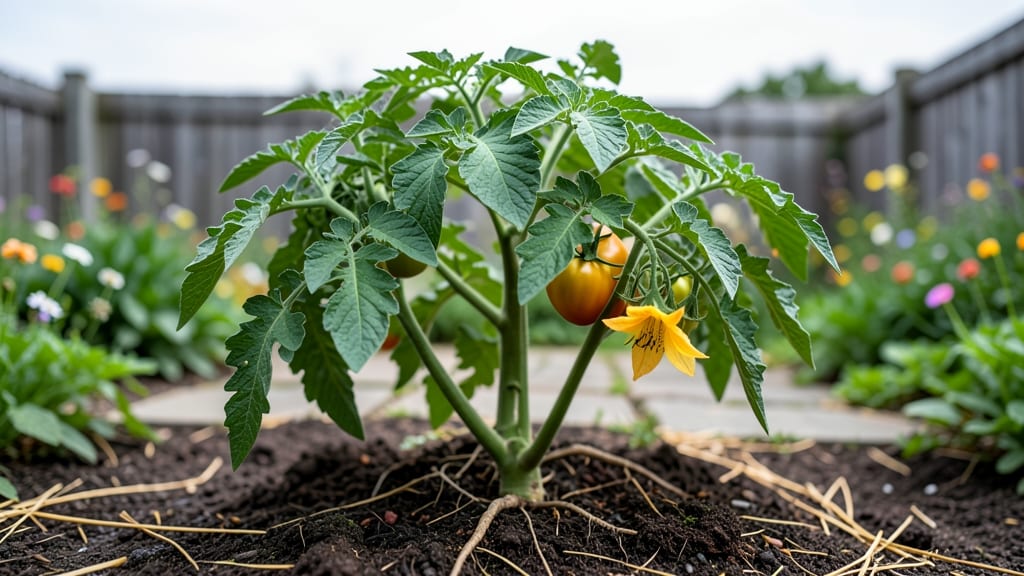
Growing meaty tomato plants starts with the right varieties and a few simple but critical choices. 🌱 I’ve learned that beefsteak tomatoes like ‘Brandywine’ or ‘Cherokee Purple’ deliver that thick, juicy flesh—if you give them the right conditions.
The secret isn’t just in the seeds; it’s in how you nurture them from the first sprout to harvest. Soil rich in organic matter and balanced fertilization (think compost + a light hand with nitrogen) builds sturdy plants that resist disease and split fruit.
Prune aggressively to focus energy on fewer, larger tomatoes, and stake or cage them early—those beefsteaks can weigh a pound each. Overwatering or too much nitrogen? That’s how you end up with watery, flavorless fruit. Precision matters here.
By mid-summer, you’ll be picking tomatoes so dense they barely need slicing, with flavors that put store-bought to shame. The key is consistency: steady watering, strategic pruning, and letting the plants do their thing without interference. No shortcuts—just patience and attention to detail.
This method works for backyard gardens, raised beds, or even large containers. The payoff? Tomatoes that taste like summer should—bold, rich, and unmistakably homegrown. Let’s get those plants thriving.
📚 In This Guide
- What you need
- Instructions
- Tips and common mistakes
- Wrapping up and next steps
What you need
- ● Tomato Seeds or Seedlings: Heirloom or beefsteak varieties (e.g., Brandywine, Cherokee Purple, or Big Beef)
- ● Quantity: 3–6 plants (or seeds) per gardener, depending on space.
- ● Companion Plants (Critical for Flavor & Health!): Basil (1–2 plants per tomato)
- ● Marigolds (5–10 plants, pest-repellent)
- ● Bok choy or lettuce (shade-tolerant, space-efficient)
- ● Nasturtiums (3–5 plants, edible + pest control)
- ● Growing Containers or Garden Bed: 5-gallon pots or raised beds (minimum 12" deep)
- ● Well-draining soil mix (avoid garden soil—opt for 50% compost, 30% potting mix, 20% perlite).
- ● Fertilizer: Balanced organic fertilizer (e.g., 10-10-10 or fish emulsion)
- ● Slow-release granules (follow package rates).
- ● Support Structures: Cages (6–8 ft tall) or stakes (2–3 ft bamboo)
- ● Trellis (for indeterminate varieties).
- ● Pruners (sterilized, for trimming suckers)
- ● Garden gloves (to protect from thorns)
- ● pH test kit (ideal soil pH: 6.0–6.8)
- ● Mulch (straw or shredded leaves, 2–3 inches)
- ● Drip irrigation system (or watering can with a long spout).
- ● Full sun exposure (6–8 hours daily)
- ● Warm soil temps (60°F+ for planting seeds)
- ● Consistent watering (1–2 inches per week, no overhead wetting)
- ● Patience! Tomatoes need 70–90 days to mature.
How to grow thick, juicy tomato plants with strong stems
Here's how to cultivate tomatoes that burst with flavor and stand up to wind—no fancy tricks, just smart techniques.
🌱 Step 1: Start with Disease-Resistant Seeds and Rich Soil
Choose heirloom varieties known for thick stems, like 'Brandywine' or 'Cherokee Purple', and pair them with disease-resistant hybrids if your climate is humid. I always soak seeds overnight in lukewarm water to soften the outer coating—this speeds germination by 24-48 hours. Use a sterile seed-starting mix (never garden soil) to avoid damping-off, and fill 2-3 inch deep containers only halfway to prevent overcrowding.
Press the mix down gently with your fingers until it feels firm but not compacted. The goal is a smooth, even surface where seeds can make direct contact with moisture. I tap the container on the table once to settle everything—this prevents air pockets that could starve emerging roots. Label each pot with the variety and date, because seedlings look identical until they develop true leaves.
☀️ Step 2: Provide Early Light and Warmth for Stocky Growth
Tomato seedlings need 14-16 hours of light daily from day one to prevent leggy growth. Place containers under a full-spectrum LED grow light positioned 2-4 inches above the seedlings. Without enough light, stems stretch thin and weak—you’ll see them bending toward the light source like they’re reaching for salvation. Keep the light on a timer to maintain consistency, even if your schedule varies.
Maintain soil warmth at 75-85°F using a seedling heat mat until germination. Once sprouts appear, reduce heat to 65-75°F during the day and 55-60°F at night. This temperature range encourages thick, sturdy stems instead of rapid but weak growth. Water from the bottom by placing trays in ½ inch of water for 10 minutes daily—this prevents soil-borne diseases while keeping roots evenly moist.
🪴 Step 3: Transplant into Larger Containers or Garden Beds
When seedlings develop 3-4 true leaves (the second set after the initial cotyledons), transplant them into 5-gallon containers or garden beds. Handle seedlings by their leaves only—never the stems—to avoid damaging the delicate tissue. Bury them deeper than the original soil line up to the first set of leaves; this encourages strong root development along the buried stem.
Space plants 18-24 inches apart in rows 3 feet apart to allow airflow, which prevents fungal diseases. If using containers, ensure each has multiple drainage holes and fill with a mix of 50% potting soil and 50% compost. Press the soil firmly around the roots to eliminate air pockets, then water deeply until moisture runs out the drainage holes. This initial watering helps roots establish quickly in their new home.
✂️ Step 4: Prune and Support for Maximum Juiciness
Once plants reach 12-18 inches tall, begin pruning suckers—those small shoots that grow in the leaf axils. Remove them with your fingers or clean pruners to redirect the plant’s energy into thicker stems and fruit development. I prune every 7-10 days to keep the plant focused on producing bold, meaty tomatoes rather than excessive foliage.
Install cages or stakes immediately to support the plant as it grows. I use 5-foot bamboo stakes driven 6 inches deep into the soil, then tie the main stem loosely with soft plant ties every 12 inches. This prevents stem breakage from wind or fruit weight. Avoid over-tightening the ties—you want the plant to grow, not strangle. Mulch around the base with 2-3 inches of straw to retain moisture and suppress weeds, which compete for nutrients.
💧 Step 5: Water and Feed for Deep Flavor
Water deeply once weekly (or more in extreme heat) to encourage roots to grow downward, where they’ll find moisture and nutrients. I check soil moisture by sticking my finger 2 inches deep—if it feels dry, it’s time to water. Avoid wetting the leaves to prevent fungal diseases like early blight. Instead, water at the base in the early morning so foliage has time to dry before evening.
Fertilize every 3-4 weeks with a balanced organic fertilizer (like 5-5-5) to maintain steady growth. When flowers appear, switch to a low-nitrogen, high-phosphorus fertilizer (like 3-12-6) to promote fruit set. I also sprinkle crushed eggshells around the base for calcium—this prevents blossom-end rot, a common issue in meaty tomato varieties. Harvest when tomatoes are fully colored and slightly soft to the touch, but before they overripe on the vine.
Tips & tricks for growing thick-stemmed tomato plants
Here's the thing—those sturdy stems and meaty tomatoes don't happen by accident. I've learned these tricks after watching plants collapse under their own weight or produce watery fruit.
Lighting Strategy: Position your grow lights 3-4 inches above seedlings during the 14-16 hour daily period, but raise them gradually as plants grow. I start with 2 inches and adjust weekly—this prevents seedlings from stretching toward the light while maintaining the right intensity. The key is keeping the light just close enough to see slight leaf movement when you wave your hand underneath.
Soil Temperature Secret: Use a seedling heat mat set to 75-85°F only until germination occurs. After sprouts appear, reduce daytime temperatures to 65-75°F and nighttime to 55-60°F—this might seem counterintuitive, but cooler temperatures after germination actually strengthen cell walls, creating those thick stems we want. I've seen seedlings grow like bamboo when kept too warm after sprouting.
Transplanting Technique: When moving seedlings to their permanent home, make a hole twice as wide as the root ball but only as deep as the original soil line. Then bury the stem up to the first set of true leaves—this encourages additional root growth along the buried portion. I use my finger to create small grooves in the soil around the roots before pressing firmly, which helps eliminate air pockets that could cause transplant shock.
Pruning Precision: The 7-10 day pruning schedule is crucial, but timing matters even more. Always prune suckers in the morning when plants are turgid (full of water). Use clean pruners or your fingers to remove the entire sucker down to its base—leaving any part behind just wastes the plant's energy. I keep a small spray bottle of water handy to mist the cut areas immediately, which helps prevent disease entry points.
Pro Tips for Meaty Tomato Plants
- Here's the thing—those sturdy stems and meaty tomatoes don't happen by accident.
- Lighting Strategy: Position your grow lights 3-4 inches above seedlings during the 14-16 hour daily period, but raise them gradually as plants grow.
- Soil Temperature Secret: Use a seedling heat mat set to 75-85°F only until germination occurs.
Frequently asked questions
Got questions about growing meaty tomato plants with bold flavor?
You’re not alone! Here are answers to the most common queries—from timing tricks to troubleshooting tips—to help you cultivate tomatoes that practically melt in your mouth.
What are the best companion plants for meaty tomato varieties?
Pair tomatoes with basil, oregano, or marigolds to boost flavor and deter pests. Avoid planting with brassicas (like broccoli) or fennel, as they stunt growth. Herbs like thyme or parsley also enhance sweetness while repelling harmful insects.
How long does it take for tomato plants to develop thick, meaty fruit?
Meaty tomatoes (like Brandywine or Cherokee Purple) take 80–100 days from transplanting to harvest. Patience pays off—consistent watering, balanced fertilizer (high in phosphorus), and warm soil (70°F+) speed up ripening. Prune suckers early to redirect energy to fruit development!
Why are my tomato plants producing small, watery fruit instead of meaty ones?
Small, watery tomatoes usually signal underwatering, over-fertilizing (too much nitrogen), or inconsistent pollination. Try:
- Deep watering 1–2 inches per week (drip irrigation works best).
- Switch to a low-nitrogen, high-phosphorus fertilizer (like 5-10-10).
- Gently shake plants or attract bees with bee-friendly flowers nearby.
Can I grow meaty tomatoes in containers? What’s the ideal pot size?
Use pots at least 12–15 gallons for determinate varieties (bush types) or 20+ gallons for indeterminate (vining) types. Add compost and a slow-release fertilizer at planting. Containers dry out faster—check soil moisture daily and prune aggressively to prevent root-bound stress.
Are there any meaty tomato varieties that thrive in cooler climates?
Yes! Try ‘Stupice’ (Czech heirloom), ‘Black Krim,’ or ‘Mountain Merit’—they handle 50–60°F nights better than most. Start seeds indoors 6–8 weeks early and use black plastic mulch to warm soil. Greenhouses or row covers extend the season too!
Pro Tip: For extra-meaty tomatoes, harvest when fully colored but still slightly firm—this concentrates flavor and prevents overripening. Store at 55–65°F to slow softening.
Wrapping up and next steps
Growing meaty tomato plants packed with bold flavor isn’t just about soil and sun—it’s an art of harmony! By pairing them with the right companions like basil, marigolds, or onions, you’ll unlock juicier, more robust tomatoes that steal the show in every dish. 🍅✨
Now that you’re armed with the perfect companion plant strategies, there’s no time like the present to roll up your sleeves! Start small—even a single tomato plant with a basil buddy can make a difference. Ready to taste the reward of your green-thumb magic? Plant, nurture, and savor!