
Planting
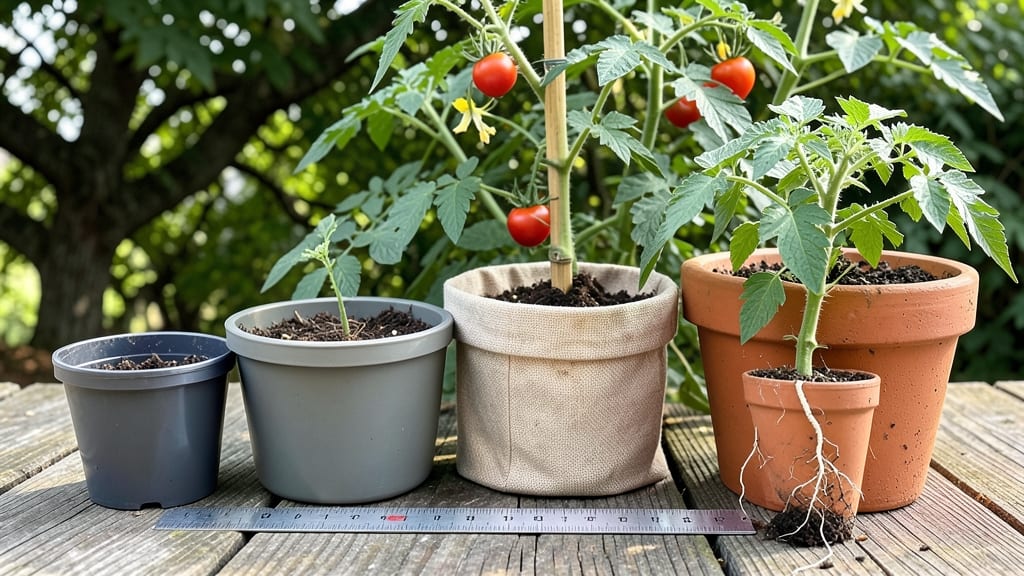
A tomato plant needs a minimum pot size of at least 5 gallons for dwarf varieties to thrive, but most gardeners underestimate how much space those sprawling vines truly need.
Picture this: you’ve planted your 🍅 with high hopes, only to watch it struggle—wilting, dropping blooms, or producing tiny, underripe fruit. The issue? Roots cramped in a container that’s too small. Without enough room, nutrients get locked out, and your harvest suffers.
This guide breaks down the exact pot sizes for each tomato type—whether you’re growing compact cherry tomatoes or towering indeterminate varieties—plus the hidden factors (like drainage and material) that make or break your container setup.
By the end, you’ll know not just the minimum pot size, but how to upgrade your containers for bigger yields—without breaking the bank or sacrificing your balcony space.

Minimum pot sizes for tomato varieties: dwarf vs. determinate vs. indeterminate rules
Choosing the right container size for your tomato plants can make or break your harvest. Tomatoes need room for their roots to spread and access to nutrients—especially when fruit is developing.
The minimum pot size depends entirely on your tomato variety, with dwarf, determinate, and indeterminate types each having unique space requirements. Using a pot that’s too small leads to stunted growth, poor fruit production, and even plant death.
I’ve grown tomatoes in containers for years, and I’ve learned the hard way that root-bound plants produce fewer tomatoes and struggle with heat stress. The key is matching your pot size to the plant’s mature size and growth habit.
Let’s break down the exact minimum pot dimensions for each tomato type, including height, root space needs, and how these factors impact your yield.
⚠️ Pro Tip: Always prioritize drainage holes and depth over width—tomatoes need deep roots, not just surface area. A pot that’s too wide but shallow won’t support a healthy plant.
For dwarf tomatoes, a 5-gallon pot is the absolute minimum, but I recommend upgrading to at least 7 gallons for better stability and root growth. These compact varieties (like 'Tiny Tim') produce cherry tomatoes in small clusters, so they don’t need as much space.
However, even dwarf plants benefit from deeper pots—12–18 inches deep ensures roots can access moisture and nutrients during dry spells.
When growing determinate tomatoes, such as 'Roma' or 'Celebrity', aim for a 10-gallon pot as your baseline. These plants grow to 3–4 feet tall and produce fruit all at once, so they need extra space to support their heavy fruit load.
A pot that’s 18–24 inches in diameter gives roots room to expand while keeping the plant stable. I’ve seen determinate tomatoes in 7-gallon pots struggle with blossom end rot due to inconsistent moisture.
Indeterminate tomatoes are the most demanding when it comes to container size. Varieties like 'Sungold' or 'Brandywine' can grow 6–10 feet tall and produce fruit continuously throughout the season. These plants need a 15-gallon pot minimum, but I often use 20–25 gallon containers for heavier producers. The deeper the pot (24+ inches), the better the root system can establish and support ongoing fruit production.
One common mistake I see is assuming that wider pots are always better. While width helps, depth is critical for tomatoes. Shallow pots lead to root circling, where roots grow in a spiral pattern and can’t absorb water efficiently.
Always measure your pot’s depth before purchasing—12 inches is the bare minimum, even for dwarf varieties.
If you’re growing multiple tomato
5 Critical factors to consider when choosing a pot for tomatoes
Choosing the right pot for your tomato plants isn’t just about meeting the minimum size pot for tomato plant requirements. The container’s design directly impacts root health, nutrient uptake, and even your harvest size.
Many gardeners overlook these non-size factors, leading to stunted growth or poor fruit production. Let’s break down what truly matters beyond just pot dimensions.
First, drainage holes are non-negotiable. Without them, roots suffocate in soggy soil, leading to root rot and fungal diseases. I’ve seen tomato plants thrive in 5-gallon pots with drainage but wilt in identical pots without holes. Always check before planting—this one factor can make or break your plant’s success.
Essential for preventing root rot; 4-6 holes per pot minimum. Use saucers to catch excess water.
Terracotta breathes but dries fast; plastic retains moisture longer. Choose based on your climate—terracotta for hot/dry, plastic for humid areas.
Heavy pots (like terracotta) prevent tipping; add weights or secure to walls for tall varieties like indeterminate tomatoes.
Use insulated pots in winter or add mulch; switch to reflective pots in summer to reduce heat stress.
Minimum 12 inches of soil for root growth; deeper pots (18+ inches) support taller varieties and better yield.
Next, the pot material plays a surprising role in your tomato’s health. Terracotta pots are porous, allowing excess moisture to evaporate—ideal for hot, dry climates—but they dry out quickly and can crack in freezing temperatures.
On the other hand, plastic pots retain moisture longer, making them better for humid areas, but they can overheat in full sun. I’ve had great luck with fabric grow bags for indeterminate tomatoes—they’re breathable and reduce root circling.
Don’t underestimate the importance of weight and stability, especially for tall, indeterminate tomato varieties that can grow 6+ feet. A 5-gallon plastic pot might seem sturdy, but it can tip over in a breeze, uprooting your plant.
For heavy pots, place them on saucers or secure them to a wall with straps. If using lightweight containers, add garden stones or sand to the bottom to anchor them.
Finally, consider seasonal adjustments to extend your growing season. In winter, use insulated pots or wrap containers with bubble wrap to protect roots from freezing. During summer, opt for light-colored or reflective pots to reduce soil temperature spikes, which can stress your plants.
I’ve also found that adding a thick layer of mulch around the pot helps regulate moisture and temperature year-round.
By focusing on these five critical factors, you’ll create an optimal environment for your tomatoes—regardless of the pot size. Remember, even the minimum size pot for tomato plant can fail if drainage, material, or stability are overlooked. Your next harvest will thank you!