
Vegetables
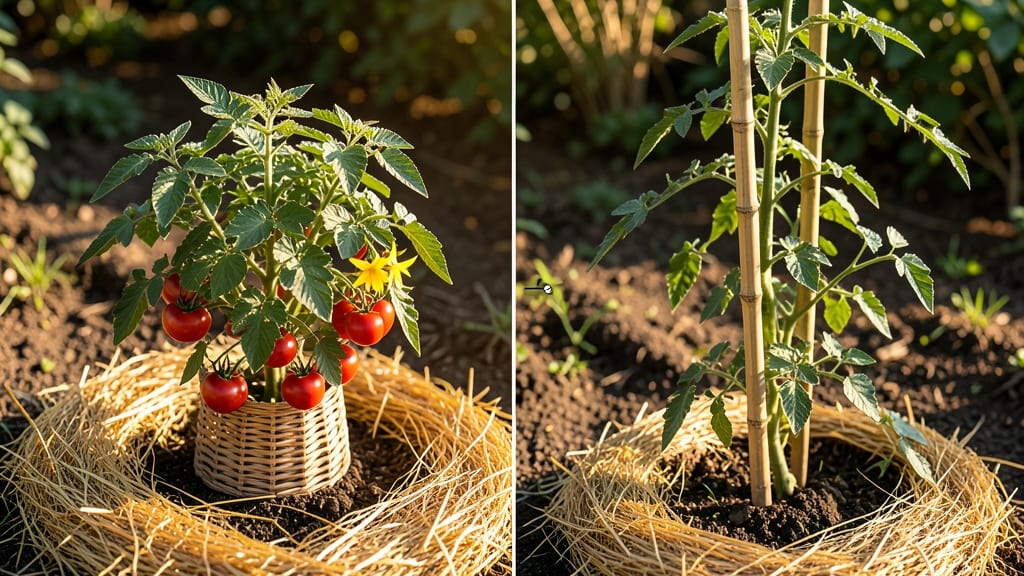
Old German tomato varieties typically grow as either determinate (bush-type) or indeterminate (vining) plants, with determinate types producing compact, high-yield clusters ideal for containers, while indeterminate varieties climb continuously, offering prolonged harvests but requiring sturdy support like trellises or cages.
Determinate old German tomato varieties stop growing once they start flowering, making them perfect for small spaces or container gardening. 🌱 These compact plants focus their energy on producing fruit all at once, which is great for canning or preserving large batches.
On the other hand, indeterminate types keep growing and producing tomatoes throughout the season, giving you a steady supply but needing more space and support to thrive.
Many classic old German varieties like 'Brandywine' and 'Striped Roman' fall into these two categories, each with unique advantages depending on your growing conditions and goals.
For example, determinate types like 'Roma' are often preferred for sauces due to their meaty texture, while indeterminate varieties like 'Black Krim' produce larger fruits over a longer period.
💡 In This Article
- How Growth Habits Affect Old German Tomato Varieties
- Best Old German Tomato Varieties for Determinate vs Indeterminate Gardens
How growth habits affect old German tomato varieties
The fundamental difference between determinate and indeterminate old German tomato varieties lies in their genetic growth patterns. Determinate types, like the classic 'Striped Roman,' grow to a fixed height (typically 3-4 feet) and produce fruit clusters at the terminal ends of branches.
This bush-like structure is controlled by a specific gene that triggers flowering and fruiting at the tips, halting vertical growth once the plant reaches maturity. The energy then shifts entirely to fruit development, resulting in a concentrated harvest window of 2-3 weeks.
Indeterminate varieties, such as 'Brandywine,' behave more like vines, continuing to grow and produce flowers along their stems throughout the season. These plants lack the genetic signal to stop growing, so they keep reaching upward (often 6-10 feet or more) while simultaneously developing new fruit clusters at leaf axils.
This continuous growth pattern creates a staggered harvest that can last 3-5 months in optimal conditions. The trade-off? Indeterminate plants require 10-15 square feet of space per plant versus 2-4 square feet for determinate types.
Climate plays a crucial role in how these growth habits manifest. In cooler German regions (USDA Zones 4-6), determinate varieties often perform better because their compact structure resists wind damage and matures quickly before autumn's chill sets in. The shorter growing season favors their concentrated fruiting period.
Meanwhile, indeterminate types thrive in warmer climates (Zones 7-10), where they can take advantage of extended summers. Interestingly, old German varieties like 'Black Prince' (indeterminate) often develop thicker stems and deeper root systems when grown in cooler climates, a survival adaptation that affects both yield and flavor intensity.
Here's what happens at the cellular level: Determinate plants produce a higher concentration of auxin (a growth hormone) at branch tips, which suppresses lateral branching and promotes fruit set. Indeterminate varieties distribute auxin more evenly along stems, allowing both vertical growth and lateral flower development.
This hormonal difference explains why determinate types bear fruit closer to the plant's base while indeterminate varieties produce fruit higher up on the vine, often requiring staking or pruning to keep fruits accessible and reduce disease risk from ground contact.
The growth habit also influences fruit characteristics. Determinate varieties tend to produce smaller, denser fruits with thicker walls (ideal for sauces), while indeterminate types often yield larger, juicier tomatoes that ripen gradually.
For example, 'Roma' (determinate) has 2-3 ounces per fruit with 5-6% solids content, perfect for canning, whereas 'Black Krim' (indeterminate) can reach 12-16 ounces with 4-5% solids, offering more eating quality but requiring more space to develop properly.
One fascinating adaptation in old German varieties is their response to daylight changes. Many indeterminate types exhibit photoperiod sensitivity, where shorter days trigger flowering. This explains why some varieties produce better yields in northern latitudes where daylight decreases gradually.
Determinate types, however, are generally day-neutral, making them more predictable for gardeners in variable climates.