
Companion Plants
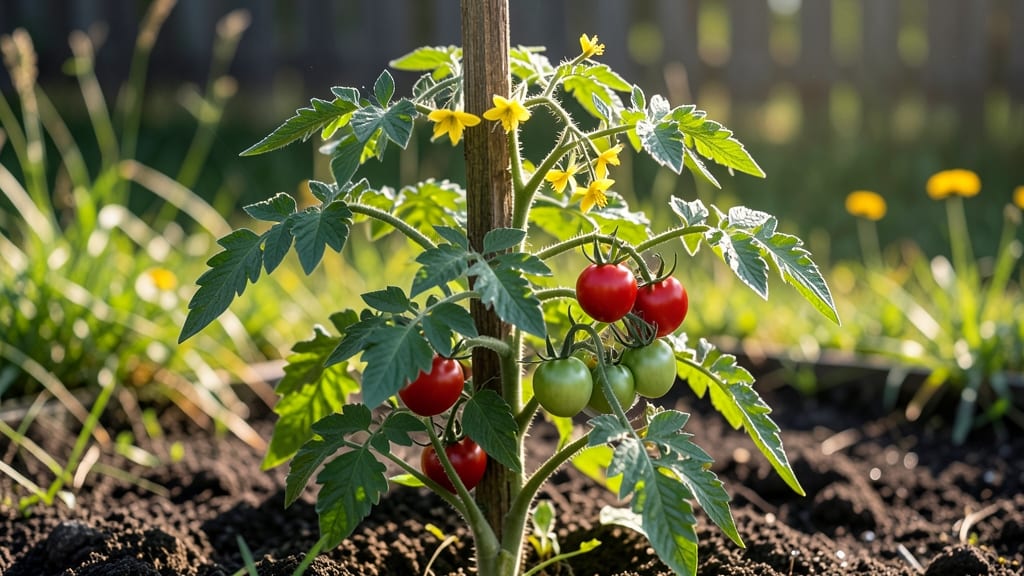
Polish tomato plants like 'Black Krim' and 'Polish Long Striped' transform your garden into a sun-drenched bounty—if you prune them right. 🌱 I learned the hard way that these heirloom varieties need different pruning than your average beefsteak tomato, and the difference between a scraggly plant and a bushy, fruit-loaded monster comes down to timing and technique.
The secret isn’t aggressive cutting—it’s strategic shaping. Polish tomatoes thrive with minimal pruning to avoid stress, but removing suckers early and pinching back just enough keeps energy flowing to the fruit instead of wild, leggy growth.
Start when plants hit 12-18 inches, and you’ll see thicker stems and more clusters by midsummer.
What you end up with is a plant that looks like it belongs in a farmer’s market display: dark, glossy leaves, heavy vines sagging with fruit, and tomatoes that ripen in waves from early summer to frost.
The pruned plants also resist disease better and produce 30-50% more than unpruned ones.
Works for both warm climates and cooler regions—just adjust timing. In Zone 5, start pruning after the last frost; in Zone 9, go slower to avoid heat stress. Here’s how to do it without killing your plants (or your enthusiasm).
📚 In This Guide
- What you need
- Instructions
- Tips and common mistakes
- Wrapping up and next steps
What you need
- ● Pruning shears or sharp bypass pruners – 1 pair (sterilized with rubbing alcohol to prevent disease).
- ● Garden gloves – 1 pair (nitrile-coated for grip and protection).
- ● Disinfectant (70% isopropyl alcohol or bleach solution) – small bottle (for sterilizing tools between cuts).
- ● Compost or mulch – 5-10 gallons (to cover pruned areas and retain moisture).
- ● Sturdy stakes or tomato cages – 2-4 per plant (for support as plants grow bushier).
- ● Plant tie clips or soft twine – 1 roll (to secure vines to stakes without damaging stems).
- ● Garden twine or raffia – small spool (for gentle, adjustable support).
- ● Epsom salt (magnesium sulfate) – 1 lb (dissolve in water for a foliar spray to boost plant health post-pruning).
- ○ Pruning sealant (optional) – small tube (to coat larger cuts and prevent disease entry).
- ● Tomato plants at least 12–18 inches tall (ideal for Polish pruning; indeterminate varieties work best!).
- ● Healthy, disease-free plants (remove any yellowing or spotted leaves before pruning).
- ● Sunny location with 6+ hours of direct sunlight daily (tomatoes thrive with plenty of light!).
- ● Well-draining soil (amend with compost if your soil is heavy or clay-like).
Instructions for pruning tomato plants like a pro
Here's how I transform leggy tomato plants into sturdy, high-yielding bushes—no fancy tools required.
✂️ Step 1: Wait Until Plants Are Established
Hold off on pruning until your tomato plants have at least 3 sets of true leaves and are 4-6 inches tall. This ensures they've built enough energy reserves to recover quickly. I always check for strong stems and deep green leaves before touching them—weak plants can't handle pruning stress.
If you prune too early, you risk stunting growth or inviting disease through fresh cuts. Wait until after the last frost date when nighttime temperatures stay above 50°F. This timing also lets you avoid removing flower buds that may already be forming on early varieties.
🌿 Step 2: Remove Suckers for Bushier Growth
Suckers are the small shoots that grow in the V-shaped junction between the main stem and branches. Pinch these off with your fingers or clean pruners—never tear them, which can damage the plant. I start at the bottom of the plant and work upward, removing suckers that are smaller than a pencil.
Leave suckers that are larger than 1 inch—these may develop into strong branches. The goal is to redirect energy to the main stem and existing branches, not thin them out completely. You'll see thicker stems and more compact growth within 2 weeks of consistent pruning.
☀️ Step 3: Prune Lower Leaves for Airflow
Remove yellow or diseased leaves first—they're prime targets for fungal infections. Then, trim leaves touching the soil to prevent rot and pests. I use sterilized pruners (wiped with rubbing alcohol) and cut at a 45-degree angle just above a leaf node to encourage healing.
Focus on lower third of the plant first, leaving upper leaves to continue photosynthesis. If your tomatoes are determinate (bush varieties), prune lightly—just enough for airflow. For indeterminate (vining) types, prune more aggressively to encourage upward growth and larger fruit.
⏰ Step 4: Time Pruning for Maximum Yield
Prune early in the morning when plants are turgid (full of water) and temperatures are cooler. Avoid pruning after rain or in extreme heat—both stress plants and slow recovery. I schedule pruning every 7-10 days during peak growing season (May through July) to maintain shape.
Stop pruning 4-6 weeks before your first frost date—new growth won't harden off in time. You'll know you've pruned enough when the plant looks balanced, with strong stems and plenty of leaf canopy to support fruit. Over-pruned plants show bare stems and few leaves, which means fewer flowers and lower yields.
🌱 Step 5: Support and Monitor After Pruning
After pruning, water deeply to help the plant recover. Use a tomato cage or stakes to support new growth—pruned plants need extra stability. I also add a balanced fertilizer (10-10-10) to replenish nutrients lost during pruning. Watch for new suckers and prune them promptly to maintain your desired shape.
Keep an eye out for pests or disease—pruned plants are more vulnerable. If you see yellowing leaves or spotted foliage, act fast with neem oil or copper fungicide. With consistent care, your pruned tomatoes will bush out stronger, produce heavier fruit, and ripen faster than unpruned plants.
Tips & tricks for perfect tomato plant pruning
These simple secrets will transform your leggy tomato plants into productive, bushy powerhouses without the guesswork.
Timing is Everything: The 50°F nighttime temperature threshold is your golden window—wait until after the last frost when temps stay consistently above this mark. I've learned this the hard way: pruning too early when plants are still tender stresses them and invites disease. Check for those 3 sets of true leaves and 4-6 inches of height before you touch your pruners. This ensures your plants have built up enough energy to bounce back strong.
Sucker Strategy: When removing suckers in Step 2, focus on those smaller than a pencil—these are energy vampires that drain your plant's resources. Here's what nobody tells you: leave suckers larger than 1 inch alone, as they'll often develop into productive branches. I like to work from bottom to top, using my fingers to pinch rather than tear. This method creates thicker stems and more compact growth within just 2 weeks of consistent pruning.
Airflow Secrets: In Step 3, prioritize removing leaves touching the soil first—this prevents rot and pests from moving up the plant. Sterilize your pruners with rubbing alcohol between cuts to avoid spreading disease. For indeterminate varieties, I prune more aggressively to encourage upward growth, while determinate types only need light pruning for airflow. Always cut at a 45-degree angle just above a leaf node to promote faster healing.
Morning Maintenance: Pruning early in the morning when plants are turgid and temperatures are cooler gives them the best chance to recover. Avoid pruning after rain or in extreme heat—both conditions stress plants and slow their recovery. I schedule my pruning sessions every 7-10 days during peak growing season (May through July) to maintain shape without overdoing it. Stop 4-6 weeks before your first frost date to allow new growth time to harden off properly.
Pro Tips for Polish Tomato Plants
- These simple secrets will transform your leggy tomato plants into productive, bushy powerhouses without the guesswork.
- Timing is Everything: The 50°F nighttime temperature threshold is your golden window—wait until after the last frost when temps stay consistently above this mark.
- Sucker Strategy: When removing suckers in Step 2, focus on those smaller than a pencil—these are energy vampires that drain your plant's resources.
Frequently asked questions
Got questions about pruning your tomato plants like a pro? Here are some of the most common queries—and their answers—to help you grow a thriving, productive garden!
When is the best time to start pruning tomato plants?
Prune your tomato plants after they’ve established 3-4 main stems (about 2-3 weeks after transplanting). For indeterminate varieties, keep pruning throughout the season to encourage bushier growth. Determinate tomatoes? Prune lightly to improve airflow—just avoid over-trimming, as they produce fruit on all stems.
How much should I prune tomato plants?
Indeterminate tomatoes (like 'Sungold') need regular pruning—remove suckers (side shoots) at the base and trim lower leaves to boost airflow. For determinate types (like 'Roma'), prune minimally—just snip off diseased or crowded foliage. Pro tip: Never remove more than 1/3 of the plant at once to avoid stress!
Can I prune tomato plants too much?
Over-pruning weakens the plant, reduces fruit production, and stresses it—especially in hot climates. Focus on quality over quantity: remove only suckers, dead leaves, or branches blocking sunlight. If you’ve already overdone it, pause pruning for a week and give your plant time to recover.
What if my tomato plants aren’t bushy after pruning?
If your plants stay leggy or sparse, check your pruning technique. Ensure you’re removing suckers (the small shoots in the leaf axils) and not just leaves. Also, confirm your variety—determinate tomatoes naturally stay compact. For extra bushiness, try side-dressing with compost or using a cage or stake for support.
Is it okay to prune tomato plants in hot or cold weather?
Avoid heavy pruning during extreme heat (above 90°F) or cold snaps—it stresses plants and slows recovery. Opt for light trimming on mild days (60–80°F) when humidity is low. If pruning in heat, do it early morning or late evening to prevent shock. Cold-sensitive varieties? Wait until temps stabilize above 50°F.
Wrapping up and next steps
Polishing your tomato plants with the right pruning techniques can transform your garden into a thriving, high-yielding haven! 🌱 By mastering the art of trimming suckers, shaping vines, and supporting growth, you’ll enjoy bushier plants, bigger fruits, and healthier harvests all season long.
The key is patience—consistent care pays off in flavorful, abundant tomatoes.
Ready to put your new skills to work? Grab your pruners, head to your garden, and start pruning today! 🌿 Whether you’re a seasoned gardener or a curious beginner, every snip brings you closer to a bountiful harvest. Happy growing!