
Pests
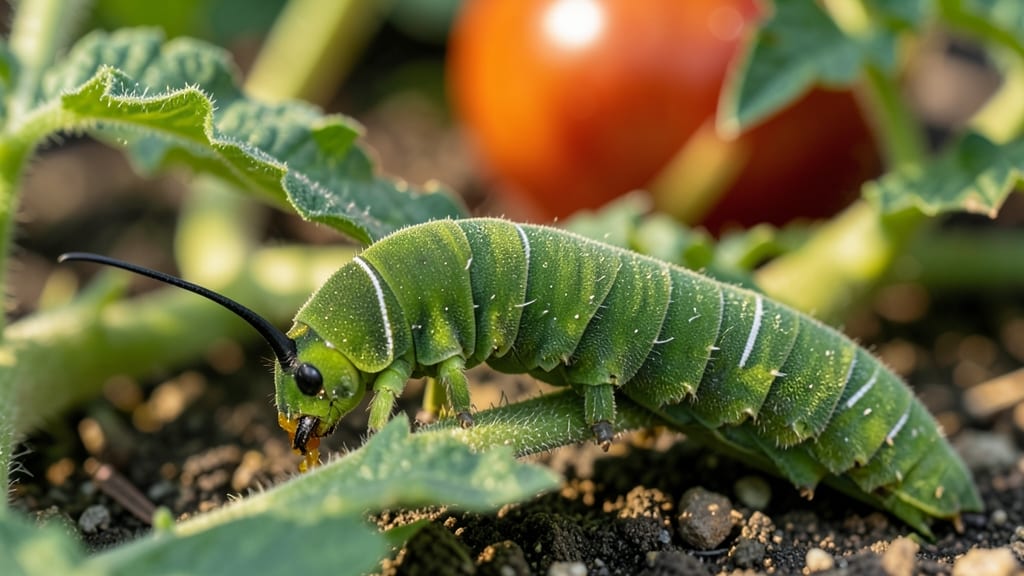
Tomato-eating caterpillars can strip your plants bare in days—unless you act fast. 🌱 I’ve lost entire tomato harvests to these ravenous pests, but these three simple steps have saved my garden every time, without chemicals.
The worst offenders are hornworms (green with white stripes) and tomato loopers (slim, pale green), both masters of disguise. One day your leaves are intact; the next, they’re skeletonized. The key is catching them early—check the undersides of leaves daily, especially after rain when they’re most active.
With a sharp pair of scissors or your fingers, you’ll remove them faster than they can chew. Drop them in soapy water (no need for pesticides) and watch your plants bounce back in 24-48 hours. The secret? Consistency—these pests multiply fast, so check daily until harvest.
Prevention is even easier: introduce praying mantises or parasitic wasps (they hunt caterpillars naturally), and plant basil or marigolds nearby—their scents deter them. No more helplessly watching your tomatoes disappear!
The Hidden Triggers Behind Caterpillar Feasts
Caterpillars don’t just randomly devour your tomato plants—they’re drawn by a mix of environmental cues, plant signals, and even their own survival instincts. Understanding these triggers is the first step to outsmarting them.
Let’s break down the real reasons these leafy bandits show up in your garden and why they can’t resist your tomatoes.
Tomatoes are like the all-you-can-eat salad bar for hungry caterpillars, thanks to their:
- Soft, tender leaves – Easy to chew and digest.
- High moisture content – Keeps caterpillars hydrated without extra effort.
- Rich nutrients – Tomatoes contain proteins, sugars, and vitamins (like vitamin A and C) that fuel rapid growth.
💡 Pro Tip: If your tomatoes are young, healthy, and lush, they’re basically neon signs for caterpillars. Over-fertilizing with nitrogen can make them even more appealing—think of it as serving a 5-star meal instead of a basic snack.
Stressed plants emit chemical distress signals that caterpillars can detect—almost like a dinner bell.
Common stressors include: - Drought or overwatering – Both weaken plants and alter their scent profile. - Poor soil health – Compacted, nutrient-poor soil makes tomatoes vulnerable. - Disease or pest damage – Once one caterpillar finds a weak plant, others follow.
🔥 Actionable Fix: Keep soil moist but not soggy, mulch to retain moisture, and rotate crops yearly to disrupt pest cycles.
Most tomato-eating caterpillars (like hornworms or tomato fruitworms) start as eggs laid by moths.
These nocturnal fliers: - Target healthy, thriving plants – They avoid sickly or wilted foliage. - Lay eggs in clusters – A single female can deposit hundreds of eggs on the underside of leaves. - Time their visits – Many moths are most active at dusk and dawn, when you’re least likely to spot them.
🌡️ Prevention Hack: Use yellow sticky traps near plants to catch adult moths before they lay eggs, or apply kaolin clay as a natural repellent.
Temperature plays a huge role in caterpillar activity:
- 60–85°F (15–29°C) is prime time – They grow fastest in warm, stable conditions.
- Cool nights slow them down – Fewer generations hatch per season.
- Rainy seasons bring more eggs – Moisture helps moths survive and lay eggs.
⏰ Timing Matters: Monitor your garden in late spring to early summer when caterpillars are most active. Early intervention = fewer destroyed plants!
While some plants (like basil, marigolds, or dill) repel pests, others can attract caterpillars or their moth parents. For example:
- Fennel and dill – Draw black swallowtail butterflies, whose caterpillars love tomatoes.
- Weeds like nightshade – Provide shelter for moths to lay eggs undetected.
🎯 Smart Strategy: Plant repellent herbs (basil, thyme) between tomato rows, not alongside them, to create a protective barrier.
Sometimes, our gardening habits make the problem worse.
Common blunders include: - Ignoring early signs – Tiny holes or chewed leaves mean caterpillars are already at work. - Skipping regular inspections – Caterpillars hide on undersides of leaves during the day. - Using broad-spectrum pesticides – Kills beneficial predators (like ladybugs or parasitic wasps) that naturally control caterpillar populations.
🔪 Quick Fix: Handpick caterpillars early in the morning when they’re sluggish, or introduce beneficial nematodes to target larvae in the soil.
Quick Organic Fixes for Garden Munchers
If your tomato plants are becoming a buffet for hungry caterpillars, don’t panic—there are effective, eco-friendly solutions to reclaim your garden. Below, we’ve mapped out practical fixes based on the root causes (like eggs, larvae, or adult moths) and included prevention tips to keep your tomatoes safe long-term.
Caterpillars start as tiny eggs, often hidden on the undersides of leaves. If you spot clusters of white or yellow specks, act fast before they hatch.
- 🔥 DIY Egg Spray (Non-Toxic) Mix 1 tsp of dish soap + 1 quart of water in a spray bottle. Lightly coat the undersides of leaves where eggs are clustered.
The soap suffocates eggs without harming plants. Pro Tip: 💡 Spray early in the morning to avoid burning leaves in direct sunlight.
- 🍳 Physical Removal (Best for Small Gardens) Use a soft brush or damp cloth to gently scrape eggs off leaves into a bucket of soapy water. Check leaves every 2–3 days—new eggs hatch quickly!
- 🌿 Prevent Future Eggs
- 🌡️ Install yellow sticky traps near tomato plants to catch adult moths before they lay eggs.
- ✨ Plant basil or marigolds nearby—these repel tomato hornworms (a common caterpillar culprit).
Once caterpillars emerge, they devour leaves overnight. If you see stripped stems or droppings (frass), it’s time to intervene.
- 👨🍳 Manual Removal (Most Effective) 🔪 Wear gloves and drop caterpillars into soapy water (never release them near other plants). Check plants every evening—they’re most active at dusk. Pro Tip: 🎯 Look for "horns" (a telltale sign of tomato hornworms) or green, black-striped bodies.
- 🥘 Bacillus Thuringiensis (BT) – Organic Bacteria Spray BT is a natural soil bacterium that targets caterpillars’ digestive systems. Mix with water and spray directly on leaves where larvae feed.
- ⏰ Best applied at dusk (when caterpillars are active).
- ⚠️ Reapply after rain—it breaks down quickly.
- 🌿 Trap Crops & Row Covers
- Plant nasturtiums or dill nearby to distract caterpillars away from tomatoes.
- Use floating row covers (lightweight fabric) over young plants to block moths from laying eggs.
If you’re seeing moths at night, they’re likely tomato hornworm moths or loopers. Stop them before they reproduce.
- 🌙 Nighttime Trapping Hang a white sheet near a light source at dusk—moths will land on it. Shake them into a bucket of soapy water in the morning. Pro Tip: 🔥 Use a blacklight (UV light) for even better results—moths are drawn to it!
- 🌿 Companion Planting for Long-Term Defense
- 🥗 Plant garlic, thyme, or oregano—their strong scents repel moths.
- 🍎 Avoid planting tomatoes near other nightshades (like peppers or eggplants), which attract the same pests.
- 🌡️ Soil Health Boost Healthy soil = stronger plants that resist pests. Add compost or worm castings to enhance plant resilience.
✅ Inspect plants weekly—early detection = easier removal. ✅ Rotate crops—don’t plant tomatoes in the same spot yearly. ✅ Clean up debris—remove fallen leaves where eggs hide. ✅ Encourage natural predators—ladybugs, birds, and parasitic wasps love eating caterpillars!
By combining manual removal, organic sprays, and smart planting, you can protect your tomatoes without harsh chemicals. Act fast, stay consistent, and your garden will bounce back stronger! 🌱🍅
Frequently asked questions
What are the most common tomato-eating caterpillars I should watch for?
The two worst offenders are tomato hornworms (large green with white stripes and \"horns\") and tomato fruitworms (smaller, pale green). Look for chewed leaves or black droppings (frass)—both are dead giveaways. Check undersides of leaves daily, especially after rain when they're most active.
Can I use soapy water to kill caterpillars, or will it harm my plants?
Yes, but use mild dish soap (1 tsp per quart of water)—harsh soaps can damage leaves. Spray directly on caterpillars or soak them in soapy water after removing. The soap breaks down their protective coating. Reapply after rain, as it rinses off quickly.
How do I know if my tomato plants are stressed and attracting more caterpillars?
Stressed plants show yellowing leaves, wilting, or stunted growth. Overwatering or drought weakens them, making them easier targets. Keep soil consistently moist (not soggy) and mulch to retain moisture. Healthy plants naturally repel pests better!
Are there natural predators that can help control caterpillars?
Praying mantises, parasitic wasps, and birds love eating caterpillars. Attract them by planting native flowers (like dill or fennel) and avoiding pesticides. Ladybugs also help—just avoid overwatering, as they prefer dry conditions.
What’s the best time of day to check for caterpillars?
Early morning (6–9 AM) is ideal—caterpillars are sluggish and easier to spot. They hide in leaf crevices during the day to avoid predators and heat. Check again at dusk when they’re most active feeding. Consistency is key—inspect every 2–3 days during peak season.