
Companion Plants
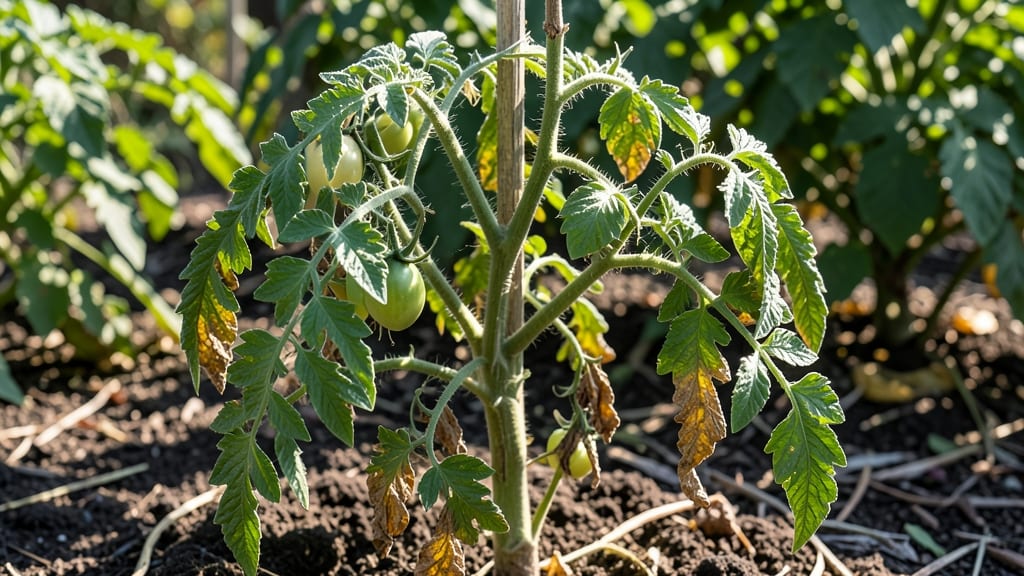
Wilted tomato leaves don’t mean your harvest is ruined—this is your wake-up call to fix the problem before it spreads. 🌱 I’ve nursed back more tomato plants than I’d like to admit, and the key is always the same: identify the root cause fast.
Overwatering, fungal diseases, or even hidden pests could be the culprits, but the good news is every fix starts with a closer look at your plants.
Here’s the thing—most gardeners overreact to wilting by watering more, but that’s often the opposite of what’s needed. Start by checking soil moisture with your finger (yes, really—no fancy tools required). If the top inch is dry, water deeply once; if it’s soggy, hold off until it dries slightly.
For fungal wilt, prune infected stems immediately and avoid watering the leaves to prevent spreading.
You’ll see improvement within days if you catch it early. Healthy leaves return, new growth appears, and your plants bounce back stronger than before. The secret is acting fast—don’t wait for the whole plant to droop.
With the right approach, you’ll save your tomatoes and learn what to watch for next season.
Works for backyard gardens, containers, or raised beds—just adjust your watering routine and keep an eye out for early signs. Trust me, your future harvests will thank you for paying attention now.
Why it happens
When your tomato plant’s leaves suddenly droop like a deflated balloon, it’s usually a cry for help from its roots—or something even more serious lurking beneath the soil. Understanding the why behind wilting leaves is the first step to saving your harvest.
Let’s dig into the most common culprits and what they’re really doing to your plants.
Tomatoes are thirsty but hate soggy feet. Wilting can strike when roots struggle to absorb water due to:
- Underwatering: Soil dries out, cutting off moisture to leaves. Roots shrink away from dry pockets, and cells lose turgor pressure—think of them as deflating. Sign: Leaves crisp at edges, soil pulls away from pot edges.
- Overwatering: Roots suffocate in waterlogged soil, starved of oxygen. Fungal diseases like Pythium attack, rotting roots and blocking nutrient uptake. Sign: Yellowing leaves, foul-smelling soil, or stems that feel mushy when squeezed.
- Inconsistent watering: Fluctuating moisture stresses roots, causing osmotic shock. Plants wilt during dry spells but can’t bounce back if roots are damaged.
Pro Tip: 💡 Stick your finger 1–2 inches into soil—if it’s dry, water deeply until it drains from the bottom. Mulch with straw to lock in moisture and prevent evaporation.
Tomatoes thrive in warmth (70–85°F), but extremes send them into survival mode. Wilting can occur when:
- Heat Stress: Temperatures above 90°F cause physiological drought—even moist soil can’t hydrate leaves fast enough. Stomata (tiny leaf pores) close to conserve water, but this halts photosynthesis. Sign: Leaves curl upward (like "fishhooks") and feel dry to the touch.
- Cold Damage: Below 50°F, cell membranes rupture, and roots stop absorbing water. Frost or chilly nights can freeze root tips, reducing the plant’s ability to uptake moisture. Sign: Blackened or glassy leaves, especially near the soil.
Actionable Fix: 🌡️ Provide afternoon shade with shade cloth (30–50%) during heatwaves. Use black plastic mulch to warm soil in spring, or row covers for frost protection.
Not all wilting is about water—some invaders eat your roots alive. Look for these sneaky culprits:
| Pest/Disease | How It Causes Wilting | Tell-Tale Signs |
|---|---|---|
| Root-Knot Nematodes | Microscopic worms burrow into roots, forming galls that block water/nutrient flow. | Stunted growth, yellowing leaves, roots with lumpy knots. |
| Fungal Root Rot (Phytophthora) | Fungus clogs root cells, preventing absorption. Spreads in wet soil. | Brown, mushy roots; wilting even when soil is wet. |
| Aphids or Spider Mites | Suck sap from leaves, reducing photosynthesis. Indirectly stress roots by weakening the plant. | Sticky residue (honeydew), webbing on undersides of leaves. |
Pro Tip: ✨ For nematodes, plant marigolds nearby—they release compounds toxic to worms. For fungal rot, improve drainage and use copper fungicide.
Wilting can also signal a hunger strike. Roots need specific nutrients to function:
- Potassium Deficiency: Critical for osmotic regulation—without it, cells can’t hold water. Sign: Yellowing leaf edges (but green veins), wilting even after watering.
- Nitrogen Deficiency: Slows root growth, reducing water uptake. Sign: Pale, yellow leaves (starting at the bottom).
- Magnesium Deficiency: Causes chlorosis (yellow patches) between leaf veins, impairing photosynthesis and weakening the plant’s ability to recover from stress.
Fix It: 💪 Use a balanced organic fertilizer (like 5-5-5) or compost tea. For potassium, try wood ash (sprinkle lightly around the base). Test soil pH—tomatoes prefer 6.0–6.8.
Even well-cared-for seedlings can wilt after moving to the garden. The stress of root pruning (cutting roots during transplanting) disrupts water uptake for 1–2 weeks. Add to this:
- Root Damage: Disturbed roots take time to regrow and re-establish contact with soil.
- Environmental Change: Sudden shifts in sun, wind, or temperature can overwhelm the plant.
Recovery Tip: 🌱 After transplanting, water deeply and apply a seaweed extract (rich in growth hormones) to boost root recovery. Avoid fertilizing for 2 weeks—let roots heal first.
Revive Your Tomato Plant Now
Wilted leaves on your tomato plant don’t mean the end of your garden dreams! With the right approach, you can nurse your plant back to health and even prevent future wilting.
Below, we’ve mapped out practical, organic fixes tailored to the most common causes—so you can act fast and see results.
If your tomato plant’s leaves are drooping from soggy soil, it’s time to drain the damage and reset the moisture balance.
Step-by-Step Rescue Plan
- 🌱 Stop Watering Immediately
- Let the soil dry out completely before watering again. Overwatering suffocates roots and invites fungal diseases like Fusarium wilt.
- 🔪 Prune Affected Leaves (But Not Too Much!)
- Snip off only the most severely wilted leaves to redirect energy to healthy growth. Avoid cutting more than 20% of the foliage at once.
- ⏰ Improve Soil Drainage Fast - Dig in coarse sand, perlite, or compost (1-2 inches) to break up compacted soil.
For container plants, repot into a mix with 50% potting soil + 50% perlite/coco coir. - Raise the pot if using containers—ensure it sits on a saucer with drainage holes.
- 💡 Pro Tip: The "Finger Test"
- Stick your finger 2 inches into the soil. If it’s damp after 24 hours, wait longer before watering. Healthy soil should feel like a wrung-out sponge.
Prevention for Next Time
- Water deeply but infrequently: Aim for 1-1.5 inches per week, delivered at the base of the plant (not overhead).
- Mulch like a pro: Use straw or wood chips (2-3 inches thick) to retain moisture without smothering roots.
- Choose the right pot: If container-grown, opt for terracotta or fabric pots—they dry out faster than plastic.
Wilting from thirst or scorching sun? Rehydrate and shade your plant to bring it back to life.
Quick Revival Steps
- 💦 Water Slowly at the Base
- Use a slow drip or soaker hose to avoid shocking roots. Water until it pours out the drainage holes (for containers).
- 🌿 Provide Temporary Shade
- Move the plant to partial shade (50% sun) for 3-5 days if leaves are crispy or yellowing. Use a shade cloth or place near a wall.
- 👨🍳 Boost with a Foliar Spray
- Mix 1 tsp seaweed extract + 1 gallon water and spray leaves in the early morning. This hydrates cells and reduces stress.
- ✨ Overnight Recovery Hack
- For severe wilting, cover the plant with a plastic bag (loosely) at night to trap humidity. Remove by mid-morning.
Prevention Tips
- Water in the morning: This gives roots time to absorb moisture before evening heat evaporates it.
- Use drip irrigation: Keeps soil consistently moist without wetting leaves (which spreads disease).
- Plant in the right spot: Tomatoes need 6+ hours of sun daily, but afternoon shade in hot climates (like Zone 9+) prevents heat shock.
If wilting spreads unevenly (often starting with lower leaves) and the plant collapses suddenly, it could be Fusarium, Verticillium, or bacterial wilt. These are tricky but beatable with organic methods.
Emergency Action Plan
- 🚫 Isolate the Plant Immediately
- Move it 10+ feet away from other tomatoes, peppers, or eggplants (they’re all in the Solanaceae family and susceptible to the same diseases).
- 🔪 Prune Aggressively (But Sterilize!)
- Cut off all infected leaves/stems with disinfected shears (wipe with 1:10 bleach-water or rub with 70% isopropyl alcohol).
- Do NOT compost pruned material—burn or trash it to prevent spread.
- 🍄 Apply Organic Fungicides
- Copper fungicide spray (like Bordeaux mixture) or neem oil (1 tbsp per gallon of water + 1 tsp soap) every 7-10 days for 3 weeks.
- Soil drench: Mix 1 tbsp hydrogen peroxide (3%) + 1 gallon water and pour at the base to kill pathogens.
- 🌱 Boost Plant Immunity
- Side-dress with compost tea (rich in beneficial microbes) or fish emulsion (for nitrogen).
- Plant companion herbs: Basil, marigolds, or garlic around the base to deter fungi.
Prevention for Future Crops
- Rotate crops: Never plant tomatoes in the same spot next year—wait 3-4 years before replanting.
- Solarize the soil: In late summer, cover soil with clear plastic for 4-6 weeks to kill pathogens (works for Fusarium/Verticillium).
- Choose resistant varieties: Try ‘Mountain Merit’ or ‘Defiant PhR’—they’re bred to resist bacterial wilt.
Yellowing leaves with wilting edges? Your tomato might be starving or struggling with root health.
Diagnose & Fix
| Symptom | Likely Cause | Organic Fix |
|---|---|---|
| Lower leaves wilt + yellow | Nitrogen deficiency | Side-dress with alfalfa meal or fish emulsion (every 2 weeks). |
| Purple stems/leaves | Phosphorus deficiency | Mix bone meal into soil (1 tbsp per plant). |
| Wilting + stunted growth | Compacted roots | Aerate soil with a fork or add worm castings. |
| Mushy stems at base | Root rot (from overwatering) | Repot in fresh, dry soil + trim blackened roots. |
Pro Tips for Stronger Roots
- 💡 Deep-water weekly: Encourages roots to grow downward for stability.
- 🌿 Use mycorrhizal fungi: Add mycorrhizal inoculant at planting to boost root absorption.
- 🍅 Avoid over-fertilizing: Too much nitrogen = leafy but no fruit.
Balance with potassium (banana peel tea) for flowering.
Final Thought: Most wilted tomato plants can recover if you act quickly! Start with the most likely cause, then double down on prevention. Your garden’s next juicy harvest is just a few steps away. 🍅✨
Frequently asked questions
My tomato plant's leaves wilted overnight—what's the first thing I should check?
Start by examining the soil moisture and root health. Stick your finger 1-2 inches into the soil—if it's bone dry, underwatering is likely. If it's soggy, overwatering or root rot may be the issue. Also check for pest damage (like aphids) or sticky residue (honeydew) on leaves. A quick stem squeeze can reveal mushiness from fungal infections.
Can I save a tomato plant if only the lower leaves are wilting?
Yes! Lower leaf wilting is often normal as the plant matures, but if it's combined with yellowing or stunted growth, it could signal nutrient deficiency (like nitrogen) or root-bound conditions. Prune the affected leaves to redirect energy, then side-dress with compost or fish emulsion. If roots are circling in containers, repot into fresh soil. Most plants recover within 1-2 weeks with proper care.
Why do my tomato leaves wilt in the afternoon but perk up at night?
This classic heat stress pattern occurs when daytime temperatures exceed 90°F. Tomato leaves close their stomata (pores) to conserve water, causing wilting. The plant recovers overnight when temperatures drop. Provide afternoon shade with shade cloth (30-50%) and mulch heavily to retain moisture. Water deeply in the morning to give roots time to absorb moisture before heat sets in.
Is it safe to water wilted tomato plants immediately?
Not always! If the wilting is from overwatering or fungal disease, adding more water will worsen root rot. First, check the soil: if it's soggy or smells foul, stop watering and improve drainage. Only water if the soil is dry 1-2 inches down. For thirst-related wilting, water slowly at the base until it drains from the bottom of containers. Always water in the morning to prevent evening evaporation.
How can I tell if my wilting tomato plant has bacterial wilt?
Bacterial wilt causes sudden collapse (often within hours) with no leaf yellowing. The stems may feel slippery when cut (like wet wood), and ooze a milky sap. Unlike fungal wilts, bacterial wilt spreads rapidly—isolate the plant immediately and prune infected stems with sterilized tools. Copper fungicide sprays can help, but prevention (like crop rotation) is key since there's no cure. Remove all infected plants from your garden.