
Blooming
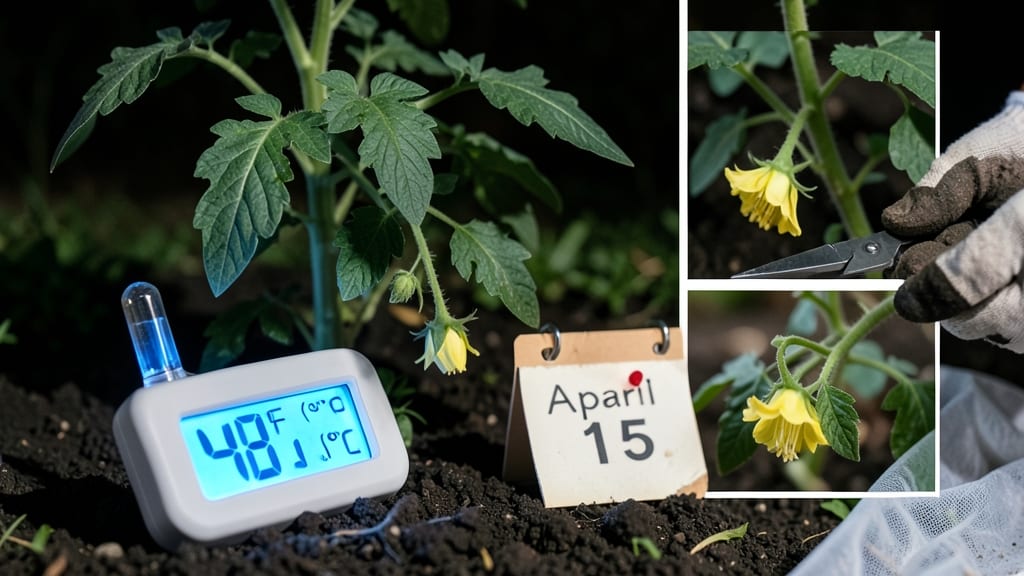
Tomato plants blooming too early can ruin your harvest before summer even arrives. 🌱 That first flush of flowers might look exciting, but if your plants aren't strong enough, those blossoms will drop like they're playing hot potato—leaving you with nothing but disappointment.
The real culprit is usually heat or stress. Tomatoes need steady temperatures between 55-85°F to set fruit properly. If your plants bloom when it's already too hot (above 85°F), they'll abort flowers faster than you can say "salsa."
Even transplant shock or uneven watering can trigger early blooming, signaling the plant to reproduce before it's ready. Here's the good news: you can reset your plants with 3 simple fixes—pruning to redirect energy, providing afternoon shade, and adjusting your watering routine.
Within 2-3 weeks, you'll see stronger stems and delayed blooms that actually produce fruit. This works for both container-grown tomatoes and in-ground plants, no matter your zone. Let's get those plants back on track!
📚 In This Guide
- What you need
- Instructions
- Tips and common mistakes
- Wrapping up and next steps
What you need
- ● Grow lights (LED or fluorescent, 6500K color temp) – 1-2 units (if indoor or low-light conditions)
- ● Reflective surfaces (aluminum foil, Mylar, or white boards) – Enough to line shelves or walls (boosts light efficiency)
- ● Thermometer/hygrometer (digital) – 1 unit (to monitor temperature and humidity)
- ● Adjustable shade cloth (30-50% coverage) – 1 roll or pre-cut panels (for outdoor plants)
- ● Pruning shears or sharp scissors – 1 pair (sterilized with rubbing alcohol)
- ● Garden twine or soft ties – Small spool (for staking or securing plants)
- ● Balanced fertilizer (10-10-10 or 5-5-5) – Small bag (for post-bloom feeding)
- ● Plastic containers or buckets (5-gallon size) – 1-2 units (for water collection or root pruning)
- ● Plant growth regulator (e.g., Bonzi or Florel) – Small bottle (consult label for dilution)
- ● Heat mat (for indoor seedlings) – 1 unit (if starting from seed)
- ● Fan (oscillating, low setting) – 1 unit (for airflow and stress reduction)
- ● Calcium supplement (e.g., calcium nitrate) – Small container (prevents blossom-end rot)
- ● Journal or tracking app – For logging temps, light, and blooms (helps refine future seasons!)
How to delay tomato blooms and protect your harvest
When your tomato plants start flowering before they're ready, here's how to pause development and save your crop.
🌱 Step 1: Remove Existing Flowers and Truss Clusters
Use clean, sharp pruning shears to snip off any visible flowers or flower clusters (called trusses) as soon as you spot them. I always work on a dry morning when the plants are firm and less prone to tearing. Cut back to the main stem or a strong leaf—never leave stubs, as they can rot or attract pests.
Focus first on the lower trusses closest to the soil. These are most likely to produce fruit prematurely and drain energy from root and stem development. You'll know you're doing it right when you see only leafy growth remaining on the lower half of the plant. This step requires patience—check daily for new buds and remove them immediately.
☀️ Step 2: Adjust Light Exposure Strategically
Move your tomato plants to a location with less than 10 hours of direct sunlight daily—this tricks them into focusing on vegetative growth instead of flowering. A partially shaded spot under a 30% shade cloth or an east-facing window works best. If you're growing outdoors, temporarily relocate plants to a spot that gets morning sun only.
Watch for signs of stress like yellowing leaves or stunted growth—these mean the light adjustment is too extreme. You'll see the difference within 3-5 days: new leaves will appear larger and darker green, and stems will thicken noticeably. This method works best when combined with flower removal, as light deprivation alone may not be enough for heavy bloomers.
💧 Step 3: Modify Watering to Delay Maturity
Switch to a deep but infrequent watering schedule—water only when the top 2-3 inches of soil feel completely dry to the touch. This creates mild stress that pauses flowering. Use a 5-gallon watering can to deliver 1-2 gallons per plant at each watering, soaking the root zone thoroughly. Avoid overhead watering, which can promote fungal issues.
I also recommend withholding water for 24-48 hours after removing flowers. This shock signals the plant to prioritize leaf and stem growth over reproductive development. You'll notice slower growth at first, but after 7-10 days, the plant will begin producing stronger, more compact foliage. Monitor soil moisture closely—overwatering will negate these efforts.
⏰ Step 4: Adjust Temperature Conditions Temporarily
Tomatoes need consistent daytime temperatures between 70-85°F to grow vigorously. If your plants are flowering early, they may be experiencing warmer-than-ideal conditions. Use shade cloth or move containers to cooler microclimates during peak afternoon heat. For greenhouse growers, increase ventilation to lower temperatures by 5-10°F.
Nighttime temperatures matter too—keep them above 55°F. If your evenings dip below this, cover plants with frost blankets or move them to a sheltered location. You'll know the temperature adjustment is working when new growth appears lighter green and more upright rather than dark and sprawling. This method is most effective when combined with the other fixes, as temperature alone rarely stops flowering completely.
🌿 Step 5: Fertilize for Leafy Growth, Not Flowers
Switch to a high-nitrogen fertilizer (like a 3-1-2 or 4-3-3 blend) to encourage leaf and stem development over flowering. Mix 1 tablespoon of fertilizer per gallon of water and apply every 10-14 days. Water the soil thoroughly before fertilizing to prevent root burn. Avoid phosphorus-heavy fertilizers, which promote flowering.
You'll see results within 2 weeks: plants will produce larger, darker leaves and thicker stems. Stop fertilizing once you notice new flowers forming again—this means the plant is ready to resume normal growth. For organic growers, use fish emulsion or compost tea instead of synthetic fertilizers for the same effect.
Tips & tricks for delaying tomato blooms
These simple adjustments will help you pause your tomato plants' development and give them time to grow stronger before producing fruit.
Timing Tip for Flower Removal: In Step 1, I can't stress enough how critical it is to remove flowers daily. New buds appear quickly, especially in warm conditions, and even a single missed flower can set fruit that drains energy from your plant's growth. I've seen gardeners waste weeks of progress by skipping this daily check—don't make that mistake! Focus on the lower trusses first, as these are most likely to produce prematurely.
Light Exposure Strategy: The less than 10 hours of direct sunlight rule in Step 2 is non-negotiable for serious results. If you're using shade cloth, make sure it's actually providing shade—some cheap versions let too much light through. For container growers, an east-facing window works well, but monitor your plants closely. You'll notice within 3-5 days whether the adjustment is working by observing leaf size and stem thickness. If leaves start yellowing, you've gone too far with the shade.
Watering Precision: The 24-48 hour water withholding after flower removal in Step 3 is where many gardeners go wrong. They either don't wait long enough or overcompensate by drowning the plants. Use your finger to check soil moisture—it should feel completely dry through the top 2-3 inches before watering again. I've seen plants recover beautifully from this temporary stress, but only when done precisely. The 7-10 day recovery period is when you'll see the real benefits in stronger foliage growth.
Temperature Troubleshooting: When adjusting temperatures in Step 4, remember that 55°F is your absolute minimum nighttime threshold. If your evenings dip below this, even for a few hours, you'll negate all your other efforts. For greenhouse growers, focus on increasing ventilation rather than just lowering temperatures—this creates better airflow which helps prevent fungal issues that can stress plants. The 70-85°F daytime range is ideal, but if you're in a hotter climate, morning shade is your best friend during peak heat.
Pro Tips for Tomato Plants Blooming Too Early
- These simple adjustments will help you pause your tomato plants' development and give them time to grow stronger before producing fruit.
- Timing Tip for Flower Removal: In Step 1, I can't stress enough how critical it is to remove flowers daily.
- Light Exposure Strategy: The less than 10 hours of direct sunlight rule in Step 2 is non-negotiable for serious results.
Frequently asked questions
about tomato plants blooming too early can help you troubleshoot faster and save your harvest! Here are some common concerns and quick solutions:Why are my tomato plants blooming so early?
Early blooming is often caused by too much warmth or long daylight hours before the plant is mature enough. Tomatoes need 10-14 hours of daylight and consistent temperatures above 55°F (13°C) to thrive. If your plant gets warm weather too soon, it may trigger blooms before it’s ready for fruit production.
Can I delay blooming to get bigger tomatoes?
Yes! You can prune early flowers to redirect energy into stronger roots and stems. Focus on removing blooms from the first 3-4 sets of leaves to encourage more robust growth. This also helps prevent blossom end rot later. Just be patient—your plant will reward you with larger, healthier fruit!
What’s the best temperature range for tomatoes?
Tomatoes prefer 70-85°F (21-29°C) during the day and 55-65°F (13-18°C) at night. If temperatures drop below 50°F (10°C) or rise above 90°F (32°C), blooms may drop off or fail to set fruit. Use shade cloth or row covers in extreme heat, and protect plants from frost with row covers or cloches.
Should I fertilize differently if my tomatoes bloom early?
Early bloomers need a balanced fertilizer (10-10-10 or 5-5-5) to support both growth and fruit production. Avoid heavy nitrogen (which encourages leaves over fruit) and switch to a low-nitrogen, high-phosphorus fertilizer (like 5-10-10) once blooms appear. Fish emulsion or compost tea can also boost root strength.
Will early blooms still produce fruit, just smaller?
Not always! While some early blooms might set small fruit, the plant often lacks the energy to support them properly. Removing early flowers redirects resources to later blooms, which will yield larger, healthier tomatoes. Think of it as pruning for success—your plant will thank you with a better harvest!
Wrapping up and next steps
Don’t let early blooms stress you out—your tomato plants can still thrive with the right care! By adjusting light exposure, managing nutrients, and controlling temperature, you’ll guide them toward a healthy, productive harvest. 🌱 Remember, every gardener faces challenges, but your green thumb is growing stronger with each fix.
Now that you’re armed with solutions, take action! Monitor your plants daily, tweak conditions as needed, and celebrate small wins—like those first blossoms. Soon, you’ll be savoring homegrown tomatoes, one step at a time. Happy gardening! 🍅✨