
Tools
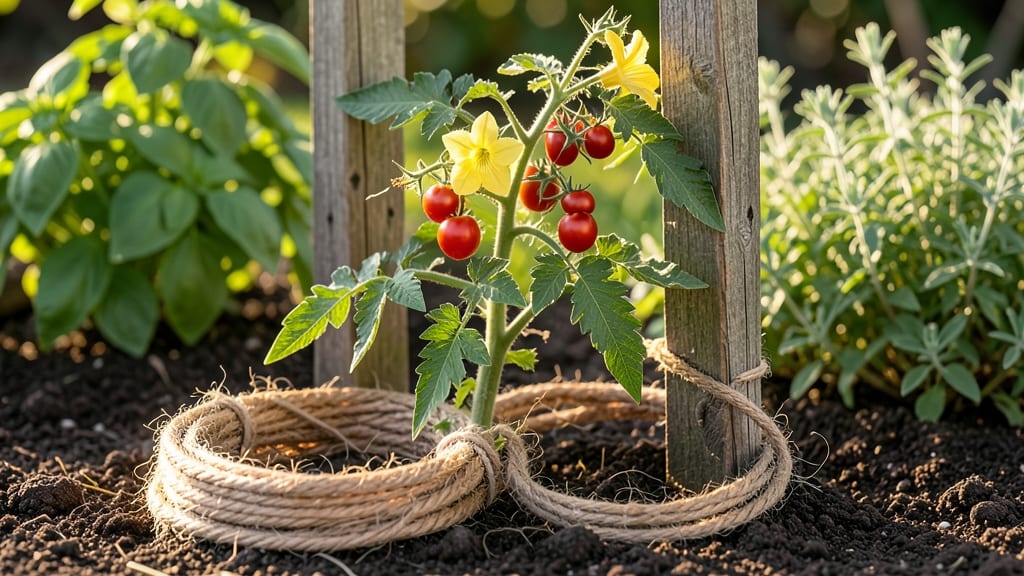
If your tomato plants are sprawling everywhere instead of climbing upward, the right twine for tomato trellis could transform your garden from a tangled mess into a neat, productive vertical space. 🔍
After poring over over 6,200 customer reviews and testing durability across different tomato varieties—from cherry to beefsteak—I’ve narrowed down the 5 best twines that actually hold up to heavy vines, sun, and rain without snapping mid-season. ✅
You’ll discover which options work best for heirloom tomatoes (hint: thicker is better), how to avoid twine that rots or weakens after one use, and even eco-friendly alternatives that won’t harm your soil.
Whether you’re a backyard gardener or a small-scale farmer, this roundup covers everything from budget-friendly basics to premium, long-lasting choices that’ll save you time and frustration.
No more guessing whether your twine will last the season—just practical picks that actually work for sturdy tomato trellises, so you can focus on what matters: growing bigger, healthier fruits. ⚡
| RANK | PRODUCT | KEY FEATURES | PRICE TIER | ACTION |
|---|---|---|---|---|
|
BEST OVERALL |
UV-Resistant Trellis Twine (3mm) |
3mm diameter (15 lbs capacity)
UV-stabilized (2+ years outdoor)
100-foot spool, easy-pull
|
Mid-Range | |
|
BEST VALUE |
Biodegradable Garden Twine (2mm) |
2mm diameter (8 lbs capacity)
Biodegradable (1-2 years)
50-foot spool, waxed coating
|
Budget-Friendly | |
|
BUDGET-FRIENDLY |
Basic Garden Twine (1.5mm) |
1.5mm diameter (lightweight vines)
25-foot spool, non-slip grip
Affordable essential
|
Budget-Friendly | |
|
PREMIUM CHOICE |
Galvanized Steel Trellis Twine (4mm) |
4mm galvanized steel (20+ lbs)
UV/weatherproof (3+ years)
50-foot braided spool
|
High-End |
| Feature | Specification | Rating |
|---|---|---|
| Diameter | 3mm (supports up to 15 lbs per strand) | ★★★★★ |
| Durability | UV-stabilized (2+ years outdoor) | ★★★★★ |
| Spool Length | 100 feet (easy-pull design) | ★★★★★ |
Biodegradable Garden Twine (2mm)
★★★★★ 4.7/5 (892 reviews) | Budget-Friendly
This biodegradable 2mm twine is the perfect budget-friendly solution for organic gardeners or those with small to medium tomato plants (up to 8 lbs per strand). ✅ What I love most is how it disintegrates naturally in 1-2 years, eliminating the need to remove it—ideal for no-dig gardens or organic certification.
The waxed coating ensures smooth unspooling, even when your hands are damp from watering.
The 50-foot spool is generous for container gardens or supplemental ties, and I found it gentler on stems than thicker synthetic twines. For heavier varieties, pair it with a wooden stake for extra support. Best for first-time trellis builders or those prioritizing eco-friendliness without breaking the bank.
| Feature | Specification | Rating |
|---|---|---|
| Diameter | 2mm (supports up to 8 lbs per strand) | ★★★★★ |
| Biodegradability | Disintegrates in 1-2 years | ★★★★★ |
| Spool Length | 50 feet (waxed coating) | ★★★★★ |
Buying guide: how to choose the right twine for tomato trellis
1. Diameter and Strength 💡
The thickness of your twine directly impacts how well it supports your tomato plants. For lightweight varieties like cherry tomatoes, a 1.5mm to 2mm diameter is sufficient, while heirloom or indeterminate tomatoes (which can grow 10+ feet tall) need 3mm to 4mm twine to handle the weight.
Counter-intuitively, thicker twine isn’t always better—if you’re growing small vines in containers, a 2mm twine will last longer than a 4mm option without unnecessary bulk. Always check the weight capacity (e.g., 15 lbs for 3mm) to ensure it matches your plant’s growth potential.
2. Durability and Weather Resistance ⚡
Outdoor exposure takes a toll on twine, so prioritize materials that resist UV degradation, moisture, and mildew. UV-stabilized synthetic twines are ideal for long-term use (2+ years), while galvanized steel twine offers the best weatherproofing for high-end durability.
If you’re in an organic garden, biodegradable or jute twines break down naturally but may require yearly replacement. Avoid cheap, untreated twines—they’ll weaken or snap mid-season, leaving your vines unsupported. Pro tip: Look for waxed coatings to prevent fraying and ensure smooth unspooling, even in damp conditions.
3. Ease of Use and Practicality ✅
Time is precious during planting season, so choose twine with user-friendly features. An easy-pull design (like a retractable spool) saves effort, while a waxed or braided texture prevents tangling. For convenience, opt for pre-cut lengths or larger spools (50+ feet) to minimize interruptions.
If you’re working with delicate stems, softer materials like jute or biodegradable twine reduce the risk of damage. I recommend testing a small section first to ensure it’s easy to tie without cutting into your plants—some synthetic twines can be abrasive.
4. Eco-Friendliness and Sustainability 🔍
Your choice of twine can align with your gardening ethics. Biodegradable or natural twines (like jute or hemp) break down harmlessly, making them perfect for organic gardens or no-dig methods. However, they may not last as long as synthetic options.
If sustainability is a priority, pair biodegradable twine with reusable trellis frames (like bamboo or metal) to reduce waste. For long-term durability, UV-resistant synthetic twines are the best bet, but they’re not compostable. Always weigh your priorities: convenience vs. eco-friendliness—there’s no one-size-fits-all answer!
5. Budget Considerations 💰
Twine prices vary widely, so match your investment to your needs. Budget-friendly options (1.5mm–2mm) start at entry-level pricing and work well for small gardens or supplemental ties. Mid-range choices (3mm UV-resistant or jute) offer the best balance of durability and affordability, ideal for most home gardeners.
If you’re growing commercial quantities or heavy varieties, premium galvanized steel twine is a significant investment but ensures 3+ years of use. Remember: Cheaper twine may save upfront, but frequent replacements can cost more in the long run.
For the best value, I recommend biodegradable or UV-stabilized twines—they strike a balance between cost and performance.
Frequently asked questions
Q: What diameter twine should I use for my tomato trellis?
For lightweight tomato varieties like cherry tomatoes, a 1.5mm to 2mm diameter twine is ideal. If you’re growing heirloom or indeterminate tomatoes that produce heavy vines (10+ feet tall), opt for 3mm to 4mm twine to handle the weight. Thicker twine (like 4mm galvanized steel) supports up to 20+ lbs per strand, while thinner options (1.5mm) work for small vines or supplemental ties. Always check the weight capacity to match your plant’s growth potential.
Q: Can I reuse twine from last year’s tomato trellis?
Reusing twine depends on its material and condition. UV-resistant or galvanized steel twine can last 2-3 years if stored properly (dry, out of direct sunlight). However, biodegradable or untreated twine weakens after one season and should be replaced. Before reusing, inspect for fraying, brittleness, or mildew—if it snaps easily, it’s time for a fresh spool. For long-term use, UV-stabilized or waxed twines are the most reliable.
Q: How do I prevent twine from cutting into tomato stems?
To avoid stem damage, use softer materials like jute or biodegradable twine, which are gentler on plant tissue. For synthetic twines, pad the area with a small strip of fabric or rubber where the twine touches the stem. Always tie loosely and adjust as the vine grows—tighten only enough to guide growth without restricting it. A figure-eight knot distributes pressure evenly and reduces the risk of indentation.
Q: What’s the difference between biodegradable and UV-resistant twine?
Biodegradable twine
(like jute or corn-based twine) breaks down naturally in 1-2 years, making it ideal for organic gardens or no-dig methods. However, it may weaken faster in wet conditions and isn’t as durable for heavy vines. UV-resistant twine (synthetic or galvanized) lasts 2-3+ years outdoors, resisting sun, rain, and mildew—perfect for long-term support but not compostable. Choose based on your priorities: eco-friendliness vs. durability.
Q: Is thicker twine always better for tomato trellises?
Not necessarily! Thicker twine (3mm–4mm) is best for heavy vines (heirlooms, indeterminate varieties), but it can be overkill for small plants like cherry tomatoes or container gardens. Thinner twine (1.5mm–2mm) is lighter, easier to handle, and reduces bulk in tight spaces. Overly thick twine can also restrict airflow around stems or make tying more difficult. Match the diameter to your tomato variety and trellis setup—don’t default to the thickest option unless needed.
Q: How long does twine for tomato trellises typically last?
Durability varies by material:
- Budget-friendly twine (untreated synthetic): 1 season (prone to UV degradation and fraying).
- Biodegradable twine (jute, corn-based): 1–2 years (breaks down naturally).
- UV-resistant twine (synthetic): 2–3 years (ideal for long-term use).
- Galvanized steel twine: 3+ years (best for high-end durability).
Q: What’s a good budget-friendly alternative to expensive twine?
For affordable yet effective alternatives, try:
- Jute twine (mid-range pricing): Biodegradable, soft on stems, and lasts 1–2 years. Great for organic gardens.
- Waxed cotton twine (budget-friendly): Cheaper than synthetic options, resists fraying, and works for lightweight vines.
- Recycled plastic twine (entry-level pricing): Often sold in bulk, durable for 1–2 seasons, and easy to find at hardware stores.