
Plants
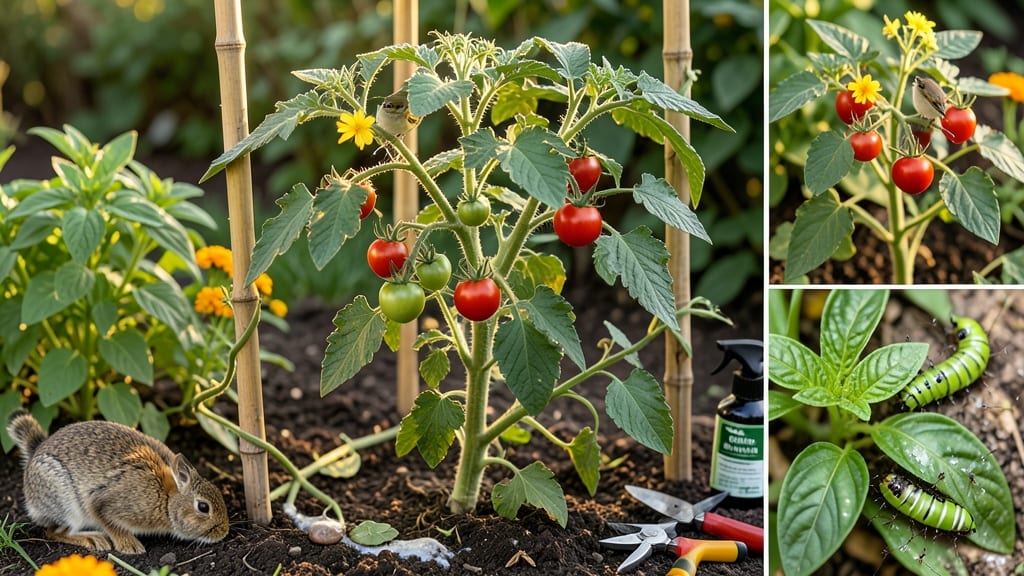
Animals that commonly eat tomato plants include deer, rabbits, squirrels, slugs, and tomato hornworms, which attack leaves, fruits, and stems. Recognizing these pests early lets you use natural defenses like barriers or organic sprays to protect your garden.
Tomato plants are a buffet for hungry wildlife because they're packed with nutrients these animals crave. 🌱 Deer and rabbits go for tender leaves and young shoots, while slugs leave behind telltale slime trails and chewed edges on foliage.
The real troublemakers, though, are tomato hornworms—those green caterpillars can strip a plant bare in days, leaving behind skeletonized leaves and fruit holes. I've seen firsthand how quickly a thriving tomato plant can become a skeleton if you don't catch these pests early.
The key is acting fast with organic solutions like neem oil sprays or physical barriers before the damage becomes irreversible.
What makes this especially frustrating is how these pests target different parts of the plant at different stages. Deer might munch on your plants at night when they're most vulnerable, while hornworms strike during the day when you're trying to tend to your garden.
Slugs, on the other hand, do their damage after dark, leaving you with mysterious holes in your leaves the next morning. Understanding these patterns helps you time your defenses more effectively.
For instance, I've found that setting up row covers in early spring can prevent deer from even getting close to your young plants, while handpicking hornworms in the afternoon gives you the best chance of spotting them before they do serious damage.
💡 In This Article
- Identifying Common Tomato Plant Pests and Their Feeding Habits
- Natural and Organic Ways to Deter Tomato Plant Pests
Identifying common tomato plant pests and their feeding habits
Tomato plants attract pests because they're packed with nitrogen-rich foliage and sweet, watery fruits that many animals find irresistible.
Deer, for example, target young tomato plants because the tender stems contain high levels of moisture and easily digestible proteins. 🌿 Their feeding leaves behind jagged, uneven edges on leaves and stems, often creating a "sawtooth" pattern that's unmistakable.
Rabbits, meanwhile, prefer to graze during dawn and dusk, leaving behind clean-cut damage that can completely defoliate a plant if left unchecked.
The real culprits often operate on a different scale. Tomato hornworms—those large, green caterpillars with white diagonal stripes—can consume an entire plant in just 3-5 days.
These voracious eaters leave behind skeletonized leaves with only the veins remaining, and they'll even burrow into tomatoes, creating holes that make the fruit unusable.
Slugs and snails, on the other hand, leave behind shiny slime trails and irregular holes with smooth edges, often targeting the lower leaves where moisture accumulates. Their damage is particularly noticeable after rainy nights when their numbers spike dramatically.
Understanding these pests' life cycles is key to effective control. Hornworms, for instance, go through 5-6 molting stages in about 30-40 days, meaning they can appear suddenly and disappear just as fast.
Slugs, meanwhile, thrive in cool, humid conditions and can lay up to 400 eggs in a season, with new hatchlings emerging every 2-3 weeks. This rapid reproduction means early intervention is critical—once a slug population takes hold, it can be nearly impossible to eradicate without chemical interventions.
What makes tomato plants particularly vulnerable is their growth pattern. Young seedlings have delicate stems that are easy prey, while mature plants produce abundant foliage that provides ample cover for pests.
The fruits themselves are another weak point—ripe tomatoes are soft and juicy, making them prime targets for both wildlife and insects. Even the plant's natural defenses, like hairy stems or prickly leaves, often fail to deter determined pests like deer or hornworms.
This combination of nutritional appeal and physical vulnerability makes tomato plants a magnet for garden predators.
One detail often overlooked is how these pests change their behavior with the seasons. In early spring, deer might focus on young plants while hornworms aren't yet active. By summer, the hornworms become the primary threat, while slugs thrive in the warm, humid conditions.
This seasonal shift means your pest control strategy needs to adapt throughout the growing season.
For example, I've found that row covers work well in spring to protect seedlings from deer, but they need to be removed in summer to allow pollination while still protecting against hornworms with handpicking or organic sprays.
The damage patterns these pests leave behind are your best early warning system. Chewed leaves, missing fruit, and wilting plants all signal trouble, but the specific type of damage can tell you exactly who you're dealing with.
For instance, the distinctive "frass" (caterpillar droppings) left by hornworms looks like tiny black pellets, while slug damage often includes both holes and the telltale slime trails they leave behind.
Paying attention to these details lets you target your defenses more effectively, saving you time and protecting your plants before the damage becomes severe.