
Pests
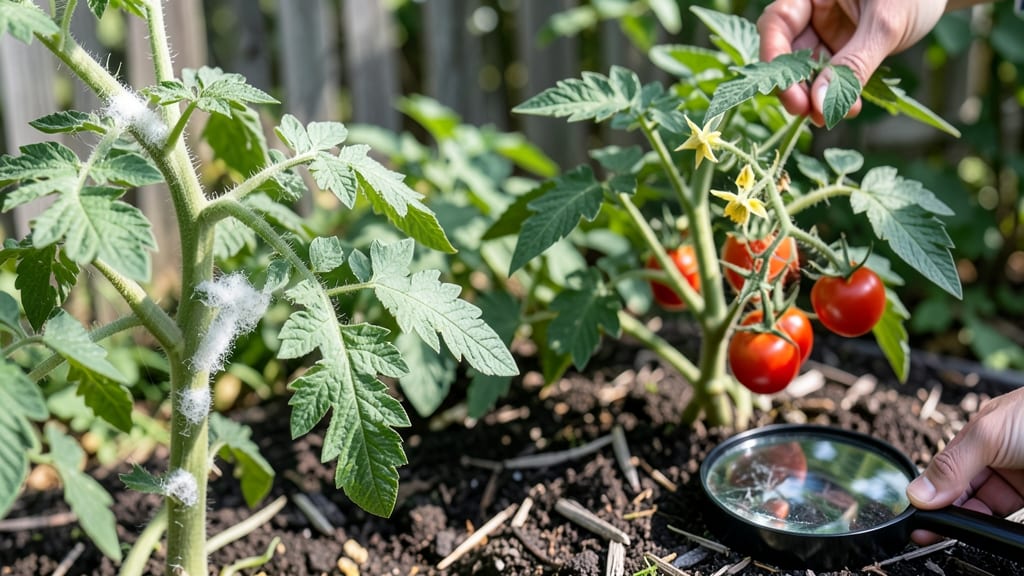
That white stuff on your tomato stem isn’t just dust—it’s powdery mildew stealing your harvest. 🌱 I’ve battled this fungal foe for years, and I’ll show you how to spot it early (before it spreads) and stop it fast with simple, garden-safe fixes.
The culprit thrives in humid, shady spots, but don’t panic—this isn’t a death sentence. You’ll recognize it by the chalky white coating on leaves and stems, often starting on the undersides. The good news? It responds quickly to neem oil sprays or baking soda mixtures when caught early.
Within 7-10 days of treatment, you’ll see new growth pushing through clean. Prune affected leaves immediately to prevent spread, and space plants properly for better airflow—this stops mildew before it starts. Works for greenhouses, containers, or in-ground plants. Let’s save your tomatoes before the white stuff wins.
Root Causes Of Fungal Growth
When you spot that mysterious white stuff on tomato stems, it’s usually a fungal party crashing your garden—uninvited. These microscopic invaders thrive in specific conditions, turning your tomato plants into their all-you-can-eat buffet.
Let’s break down the top culprits behind this fungal takeover and why they decide your garden is their new home.
Fungi love humidity, and nothing traps moisture like a crowded garden. When tomato plants grow too close together, their leaves brush against each other, creating the perfect damp, shaded environment for spores to land and multiply.
Poor airflow also means lingering moisture—whether from dew, rain, or even overhead watering—gives fungi the ideal breeding ground.
Think of it like a sauna for pathogens: warm, sticky, and stagnant. The white stuff (often powdery mildew or downy mildew) spreads like wildfire when spores hitch a ride on water droplets or wind. Actionable fix: Space plants 18–24 inches apart and prune lower leaves to improve circulation.
Tomatoes are thirsty, but too much water—especially on the foliage—is a one-way ticket to fungal paradise. Wet leaves for prolonged periods create a microclimate where fungal spores germinate and infect stems and leaves.
Overhead irrigation (like sprinklers) is a common culprit, as it soaks leaves instead of watering at the base.
Certain fungi, like gray mold (Botrytis cinerea), thrive in high humidity and damp conditions. Even morning dew can be enough if airflow is poor. Actionable fix: Water at the soil level in the early morning, and avoid late-day watering to allow leaves to dry quickly.
Fungi are not fans of cold weather, but when temperatures hover between 60–80°F (15–27°C) with high humidity, they throw the ultimate growth party. Powdery mildew, for example, doubles its spore production in these conditions, turning your tomato stems into a fuzzy white disaster zone.
Hot, humid days followed by cool, damp nights? That’s fungal prime time.
The combination of heat stressing plants (weakening their defenses) and moisture lingering overnight creates the perfect storm. Actionable fix: Use shade cloth in peak summer heat and ensure good drainage to prevent soil moisture from wicking up into stems.
Stressed tomatoes are open invitations for fungi. Whether from nutrient deficiencies, transplant shock, or pest damage, weakened plants have compromised defenses. Fungal spores detect this vulnerability and move in fast, often starting on stems before spreading to leaves.
For example, early blight (another white/off-white culprit) targets plants that are nutrient-deficient or water-stressed.
Even root rot from overwatering can leave stems susceptible to secondary fungal infections. Actionable fix: Feed plants with a balanced fertilizer (like 10-10-10) and monitor for pests like aphids, which can stress plants and invite fungi.
Pro Tip: 💡 If you’ve ruled out fungi and still see white stuff, it could be insect eggs (like whiteflies) or mineral deposits from hard water. Scrape a small sample onto a damp paper towel—if it smears white, it’s likely powdery mildew; if it’s gritty, check your water source!
Quick Fixes for Tomato Stem Issues
Got that mysterious white stuff creeping onto your tomato stems? Don’t panic—most causes have simple, effective solutions. Below, we’ve mapped the most likely culprits to the best fixes, plus tips to keep your plants thriving. Let’s get your tomatoes back to their healthy, productive selves!
Signs: White, powdery patches or fuzzy growth on stems/leaves.
How to Fix It: 1️⃣ Prune & Remove 🔪
- Snip off infected stems/leaves below the white spots (use sterilized shears!). Dispose of them in the trash—not the compost—to prevent spreading.
2️⃣ Spray Fungicide 💧 - Mix 1 tsp baking soda + 1 quart water + a drop of dish soap (as a surfactant).
Spray early morning or evening to avoid burning leaves. - For stubborn cases, use neem oil (1 tbsp per quart of water) or a copper-based fungicide (follow label instructions).
3️⃣ Boost Airflow 🌬️
- Space plants 12–18 inches apart and stake tomatoes to improve circulation. Avoid overhead watering—water at the base instead.
Prevention Tips: ✅ Rotate crops—don’t plant tomatoes in the same spot yearly. ✅ Mulch with straw to keep soil moist (but not soggy). ✅ Water at the base in the morning to dry leaves quickly.
Signs: Sticky residue (honeydew) + tiny white bugs on stems/undersides of leaves.
How to Fix It: 1️⃣ Blast Them Off 💦
- Spray plants with soapy water (1 tsp mild soap per quart of water). Repeat every 3–4 days until gone.
2️⃣ Introduce Beneficial Insects 🐞
- Release ladybugs or lacewings (available at garden centers) to eat the pests naturally.
3️⃣ Use Sticky Traps 🕷️
- Hang yellow sticky traps near plants to catch flying whiteflies.
Prevention Tips: ✅ Inspect new plants before bringing them home. ✅ Avoid over-fertilizing—pests love stressed plants. ✅ Encourage predator plants like marigolds or basil nearby.
Signs: Crusty white deposits (often near soil line) + wilting leaves.
How to Fix It: 1️⃣ Flush the Soil 💦
- Water the plant deeply for 10–15 minutes to leach out excess salts. Repeat weekly until the white crust disappears.
2️⃣ Adjust Fertilizer 🌱
- If using tap water with high minerals, switch to rainwater or distilled water.
- Reduce fertilizer doses—too much can cause buildup.
3️⃣ Add Organic Matter 🍂
- Mix compost or worm castings into the top 2 inches of soil to improve drainage.
Prevention Tips: ✅ Test your water—if it’s hard, use a water softener or rain barrels. ✅ Use slow-release fertilizers to avoid overfeeding. ✅ Mulch heavily to prevent evaporation and salt crusting.
Once you’ve tackled the root cause, give your tomatoes a little extra love:
- Feed with compost tea (rich in microbes) to strengthen roots.
- Remove suckers (side shoots) to redirect energy to fruit production.
- Harvest ripe tomatoes promptly to reduce plant stress.
Pro Tip: 💡 If the white stuff persists after 2 weeks, send a photo to your local Cooperative Extension Service—they can help diagnose less common issues!
Frequently asked questions about white stuff on tomato stems
Is the white stuff on my tomato stems always harmful?
Not always! While powdery mildew or fungal growth is common, some white deposits might be harmless mineral buildup from hard water. To test: Gently scrape a small amount onto a damp paper towel. If it smears white, it’s likely a fungus—act fast. If it’s gritty, it’s mineral residue (flush soil with rainwater to remove it).
Can I still eat tomatoes from plants with white stuff on the stems?
Yes, but only if the white growth is limited to stems and leaves—not the fruit itself. Fungal spores rarely infect tomatoes directly, but prune affected foliage immediately to prevent spread. For peace of mind, wash harvested tomatoes thoroughly before eating.
How often should I spray neem oil to prevent white stuff?
Apply neem oil every 7–10 days during humid seasons or after heavy rain. Mix 1 tablespoon per quart of water and spray undersides of leaves (where fungi often hide). Avoid spraying when flowers are open to protect pollinators—use early morning or late evening instead.
Will pruning infected leaves make my tomato plant weaker?
Not if done correctly! Prune only infected areas below the white spots using sterilized shears. Removing diseased leaves actually strengthens the plant by redirecting energy to healthy growth. Just avoid over-pruning—never remove more than 25% of the foliage at once.
Can I use household vinegar to treat white stuff?
Diluted vinegar can help, but use it carefully. Mix 1 part white vinegar to 3 parts water and spray on leaves (test a small area first). Avoid spraying in direct sunlight—it can burn foliage. For best results, combine with neem oil or baking soda for a stronger fungal defense.