
Companion Plants
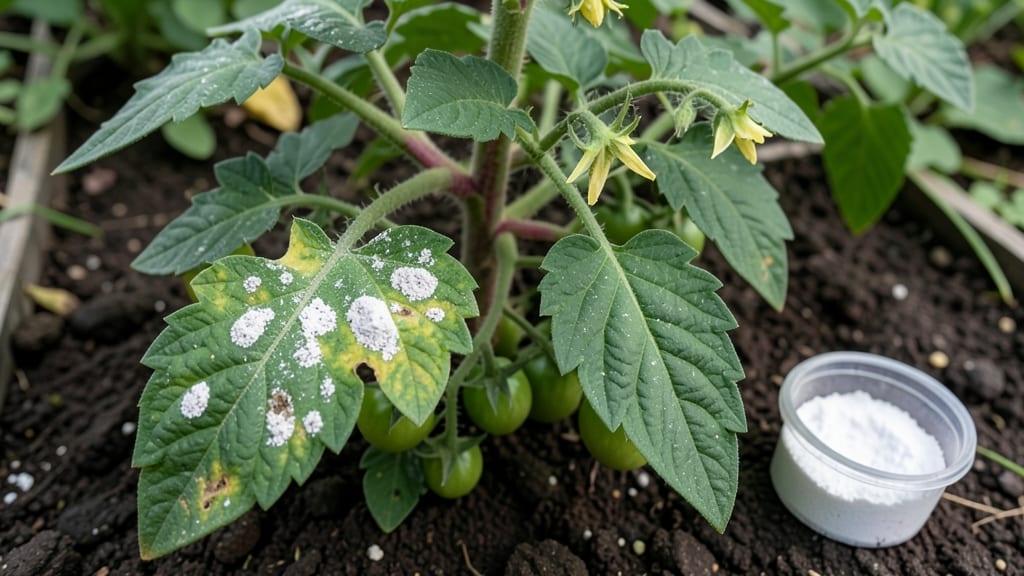
Why do my tomato plants have white spots?—it’s your plants’ way of screaming for help, and ignoring them could cost you your harvest. 🌱 I’ve seen powdery mildew turn a thriving plant into a sad, spotted mess, but the good news? Most causes have fast fixes if you catch them early. The spots could be powdery mildew (fluffy white coating), aphids (sticky residue), or nutrient deficiencies (yellowing between veins). The key is checking the texture—rough spots? Likely fungus. Sticky leaves? Bugs. No pattern? Maybe it’s thirst or stress. With the right spray (neem oil, baking soda, or insecticidal soap) and better airflow, you’ll see new growth in 7-10 days. Prevent future outbreaks by spacing plants properly and watering at the base—not the leaves. This isn’t a death sentence—it’s a wake-up call. Let’s turn those spots around before they spread.
Root Causes Of White Spots
White spots on tomato leaves aren’t just unsightly—they’re your plant’s silent SOS. Understanding the why behind these spots is the first step to saving your harvest. Below, we break down the most common triggers, backed by science and actionable insights.
Fungi are the sneaky culprits behind many white spots. These microscopic invaders thrive in warm, humid conditions and spread like wildfire when left unchecked.
- Powdery Mildew 🍄 This fungus coats leaves in a chalky, white powder. It blocks sunlight, stunting growth and reducing fruit production. Erysiphe and Golovinomyces species are the usual suspects. - Why it happens: High humidity (70%+), poor airflow, and crowded plants create the perfect fungal buffet.
Overhead watering also spreads spores like confetti.
- Alternaria Leaf Spot 🌡️ Tiny white or gray spots with dark borders appear, often surrounded by yellow halos. The fungus Alternaria solani thrives in wet foliage and warm nights (75–85°F). - Why it happens: Excess moisture (from rain or irrigation) and old crop debris harbor spores.
Weakened plants are easier targets.
Tiny but mighty, these pests don’t just eat your plants—they leave behind a sticky, white residue that looks like spots.
- Spider Mites 🕷️ These arachnids suck sap, causing stippled white or yellow spots (especially on undersides). Heavy infestations create webbing, further stressing the plant.
- Why it happens: Dry, hot conditions (85°F+) weaken tomato plants, making them vulnerable. Dust or low humidity also attract mites.
- Whiteflies ✈️ Clusters of tiny white flies flutter away when disturbed, leaving behind a sticky honeydew that fosters sooty mold (black fungal growth). Their feeding scars appear as white, crinkled spots. - Why it happens: Warm climates (70–90°F) and over-fertilizing with nitrogen create a feast for these pests.
They spread rapidly in greenhouses or crowded gardens.
White spots can also signal nutritional stress, often due to imbalances in essential minerals.
- Calcium Deficiency (Blossom End Rot’s Cousin) 🧀 While blossom end rot affects fruit, calcium shortages can cause white or necrotic spots on leaves (especially younger ones).
Calcium helps cell walls stay rigid—without it, spots form. - Why it happens: Poor soil drainage, high nitrogen (which competes with calcium uptake), or uneven watering disrupt calcium absorption. Sandy soils also leach calcium quickly.
- Magnesium Deficiency (Interveinal Chlorosis) 🌿 White or yellow spots appear between leaf veins, starting on older leaves. Magnesium is vital for chlorophyll production—without it, photosynthesis grinds to a halt. - Why it happens: Over-fertilizing with potassium or nitrogen crowds out magnesium.
Compacted or acidic soils (pH <6.0) also lock it out.
Not all white spots are biological. Physical damage can mimic disease symptoms.
- Sun Scorch ☀️ Pale, white or bleached spots on leaves exposed to intense afternoon sun (especially in hot climates).
The plant’s protective pigments break down under UV stress. - Why it happens: Sudden heat waves, lack of shade, or transplant shock (when plants aren’t acclimated to full sun) cause cellular damage.
- Hail or Physical Trauma ⚡ White speckling can appear after hailstorms or rough handling. The damage disrupts cell membranes, leading to dead tissue.
- Why it happens: Sudden impact crushes cells, leaving behind white or translucent marks. Weak stems or overwatered plants are more susceptible.
Too much of a good thing can turn your tomatoes’ leaves into a science experiment gone wrong.
- Fertilizer Burn 💥 Excessive salts (from synthetic fertilizers) or uneven application cause white, crispy spots. The plant’s roots can’t absorb nutrients fast enough, leading to toxicity.
- Why it happens: Over-applying nitrogen, phosphorus, or potassium disrupts the soil’s balance. Poorly watered soil concentrates salts near the surface.
- Herbicide Drift 🌱 Glyphosate or other broadleaf herbicides can drift onto tomato leaves, causing white, bleached patches. Even "organic" herbicides (like vinegar) can scorch foliage.
- Why it happens: Wind or misapplication spreads chemicals beyond their target. Tomatoes are sensitive to post-emergent herbicides.
White spots with a mosaic pattern (light/dark green patches) often signal a viral infection. The Tobacco Mosaic Virus (TMV) is a common culprit, transmitted by contaminated tools or aphids.
- Why it happens:
- Mechanical transmission: Touching infected plants (even weeds like tobacco or peppers) then handling healthy tomatoes spreads the virus.
- Insect vectors: Aphids or beetles carry TMV from plant to plant.
- Seed-borne: Some tomato varieties carry TMV internally, only showing symptoms later.
White or water-soaked spots with yellow halos? Meet Xanthomonas perforans, the bacteria behind bacterial spot disease. It thrives in warm, wet conditions and spreads via wind or water.
- Why it happens:
- Poor sanitation: Old plant debris or contaminated pruners harbor bacteria.
- Overhead irrigation: Splashing water spreads bacteria from soil to leaves.
- High humidity: Ideal for bacterial growth (60–90% humidity).
White spots are rarely a single issue—they’re a symptom. Combine the clues (spot shape, plant age, environmental conditions) to diagnose the root cause. Next up: [How to Treat It](link-to-next-section), where we’ll tackle fixes tailored to each culprit.
How to Fix White Spots on Tomato Plants
White spots on your tomato plants don’t have to mean the end of your harvest—most issues are fixable with the right approach! Below, we’ll break down practical, step-by-step solutions tailored to the root cause, from quick fixes to long-term prevention.
Grab your gardening gloves, and let’s get those leaves (and tomatoes!) back to their healthy, spot-free glory.
Fix: Isolate, treat, and prevent recurrence with these steps.
Step 1: Remove Infected Plant Parts 🧹
- Snip or prune any leaves, stems, or fruit showing white spots (especially powdery mildew’s fuzzy coating or dark concentric rings).
- Dispose of debris properly: Bag and trash infected plant material—do not compost it, or spores will reinfect your garden.
- Pro tip: 💡 Use sterilized shears (wipe with rubbing alcohol) to avoid spreading spores.
Step 2: Apply Fungicidal Sprays 💦
- Baking soda spray: Mix 1 tsp baking soda + 1 tbsp vegetable oil + 1 tsp mild soap + 1 gallon water.
Spray under leaves (where spores hide) every 7–10 days until new growth is spot-free. - Neem oil: A natural fungicide/insecticide. Use 2 tbsp neem oil + 1 tsp soap + 1 quart water. Spray at dusk to avoid harming bees.
Reapply every 5–7 days. - Commercial options: Copper fungicide or sulfur sprays work well but follow label instructions for safety.
Step 3: Improve Airflow & Reduce Humidity 🌬️
- Space plants 18–24 inches apart (crowding = fungal paradise).
- Prune lower leaves to enhance airflow near the soil.
- Water at the base (not overhead) and water early in the day so leaves dry quickly.
- Pro tip: 🌡️ Increase airflow with a small fan (yes, really!) on low speed near plants if humidity is high.
Prevention for Next Season
- Rotate crops: Don’t plant tomatoes (or nightshades like peppers/eggplants) in the same spot for 3–4 years.
- Solarize soil: Cover beds with clear plastic for 4–6 weeks in summer to kill fungal spores.
- Choose resistant varieties: Look for tomatoes labeled "resistant to early blight" or "powdery mildew-resistant" (e.g., ‘Mountain Merit’ or ‘Defiant PhR’).
Fix: Target the pests directly and disrupt their life cycle.
Step 1: Blast Off Pests with Water 💦
- Hose down leaves with a strong stream of water to knock off aphids/whiteflies. Do this every 2–3 days until pests are gone.
- Pro tip: 🔥 Use a spray nozzle—gentle mist won’t dislodge them!
Step 2: Introduce Natural Predators 🐞
- Ladybugs and lacewings eat aphids. Buy them online or attract them with dill or fennel companion plants.
- Release parasitic wasps (like Encarsia formosa) for whiteflies—order from garden centers.
Step 3: Apply Insecticidal Soap or Oil 🧼
- Insecticidal soap: Mix 2 tbsp castile soap + 1 quart water. Spray directly on pests (avoid hot sun—it can burn leaves).
- Horticultural oil: Use 1 tbsp oil + 1 tsp soap + 1 quart water.
Spray at night to suffocate mites. Reapply every 5–7 days. - Warning: 🚫 Avoid neonicotinoids—they harm bees and can stress tomato plants.
Prevention for Next Season
- Reflective mulch: Use silver plastic mulch to confuse whiteflies.
- Sticky traps: Hang yellow sticky traps near plants to monitor and reduce pest numbers.
- Interplant with pest-repelling herbs: Basil, marigolds, or garlic near tomatoes deter aphids.
Fix: Adjust soil chemistry and feed strategically.
Step 1: Test Your Soil 📊
- Grab a soil test kit (or send a sample to your local extension office) to confirm deficiencies. White spots from calcium (blossom end rot) or magnesium (interveinal chlorosis) need targeted fixes.
Step 2: Apply Quick Fixes
| Issue | Solution |
|---|---|
| Calcium deficiency | Sprinkle crushed eggshells or gypsum around the base. Water in. |
| Magnesium deficiency | Mix 1 tbsp Epsom salt (magnesium sulfate) + 1 gallon water. Spray leaves. |
| General nutrient boost | Use a balanced fertilizer (10-10-10) or tomato-specific feed every 2–3 weeks. |
Step 3: Improve Soil Health Long-Term
- Add compost: Mix 2–3 inches of compost into the soil before planting.
- Use worm castings: Rich in nutrients and beneficial microbes.
- Mulch with straw: Keeps moisture consistent and reduces stress.
Prevention for Next Season
- Avoid over-fertilizing with nitrogen—it can block calcium uptake.
- Mulch heavily to retain moisture and prevent calcium leaching.
- Plant calcium-rich companions: Basil or marigolds near tomatoes can help.
Fix: Shade, water, and adjust plant placement.
Step 1: Provide Afternoon Shade 🌳
- If your tomatoes are in a hot, dry climate, use shade cloth (30–50%) during peak sun (12–4 PM).
- Move potted tomatoes to a spot with morning sun + afternoon shade.
Step 2: Water Deeply & Consistently 💧
- Water at the base 1–2 inches per week (more in extreme heat).
- Use drip irrigation to keep leaves dry and reduce stress.
- Pro tip: 🌡️ Mulch with straw to retain moisture and cool roots.
Step 3: Acclimate Plants Gradually
- If transplanting, harden off seedlings over 7–10 days before moving to full sun.
- Avoid sudden temperature swings (e.g., moving from shade to full sun).
Prevention for Next Season
- Choose heat-tolerant varieties: ‘Heatmaster’, ‘Solar Fire’, or ‘Black Krim’ handle heat better.
- Plant in late spring (after last frost) to avoid early-season heat stress.
Final Thought: 🎯 Most white spots are reversible with quick action! Start with identification (fungus vs. pests vs. nutrients), then treat the root cause while preventing future issues. Your tomatoes will thank you with juicy, blemish-free fruit come harvest time!
Frequently asked questions
Are white spots on tomato leaves always a sign of disease?
Not necessarily! While fungal infections like powdery mildew or bacterial spots often cause white spots, they can also result from pest damage (like spider mites), nutrient deficiencies (calcium or magnesium), or even physical stress such as sun scorch or hail damage. Always check the texture and pattern—fluffy spots are fungus, sticky residue suggests pests, and crispy spots may indicate fertilizer burn.
Can I still harvest tomatoes if the leaves have white spots?
Yes, but focus on removing infected leaves first to prevent spread. If the spots are from pests or mild fungal infections, your tomatoes may still ripen safely. However, if you see dark concentric rings (early blight) or yellow halos (bacterial spot), remove affected fruit to avoid contamination. Always wash tomatoes thoroughly before eating.
How do I tell if white spots are from powdery mildew vs. spider mites?
Check the texture: powdery mildew leaves a chalky, dusty coating that wipes off like talcum powder, while spider mites create tiny stippled spots (often on leaf undersides) with visible webbing. Hold a magnifying glass close—mites are reddish-brown and move quickly, while mildew is stationary.
Will homemade sprays (like baking soda) really work for white spots?
A baking soda spray (1 tsp baking soda + 1 tbsp oil + 1 tsp soap per gallon of water) is effective against powdery mildew by raising the leaf’s pH, making it inhospitable to fungi. For pests, neem oil or insecticidal soap disrupt their life cycles. Spray early in the morning or evening to avoid harming bees and reapply every 7–10 days until spots disappear.
Can I save a tomato plant if it’s already heavily spotted?
It depends on the cause. For fungal infections, prune all infected leaves and treat aggressively—healthy plants can recover if caught early. If spots are from pests or viruses, the plant may not fully recover, but you can still harvest existing fruit. For nutrient deficiencies, amending the soil and fertilizing properly often revives the plant. If in doubt, isolate the plant to prevent spreading to others.