
Companion Plants
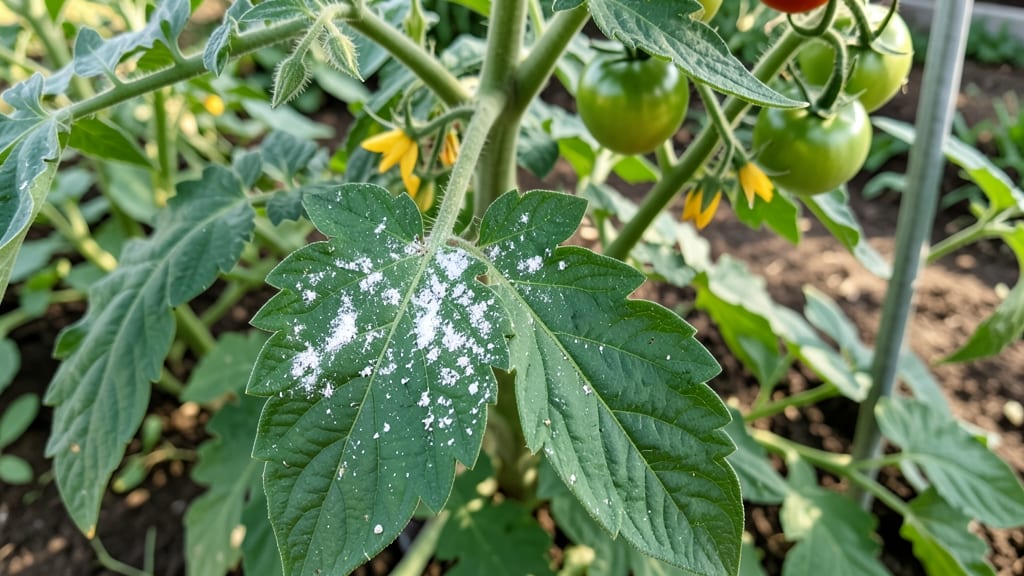
Those white things on tomato plants aren’t just unsightly—they’re a cry for help from your plants. 🌿 I’ve battled everything from powdery mildew to whitefly infestations, and the key to saving your tomatoes lies in knowing exactly what you’re dealing with before you treat it.
A quick inspection tells you whether it’s a fungal infection, insect eggs, or even a nutrient deficiency masquerading as something worse.
The first step is identifying the culprit: powdery mildew looks like dusting flour, whiteflies leave sticky residue, and blossom end rot shows up as white scabs on fruit. Each problem needs a different approach—some respond to neem oil, others to pruning or soil amendments.
My tomatoes went from wilting to thriving once I stopped guessing and started diagnosing like a pro.
You’ll learn how to treat these issues naturally, from homemade sprays to adjusting your watering routine, without resorting to harsh chemicals. The goal isn’t just to eliminate the white stuff—it’s to create a tomato plant so healthy, pests and diseases can’t get a foothold.
Think of it as a reset button for your garden’s most productive crop.
Whether you’re a first-time gardener or a seasoned grower, this guide cuts through the confusion so you can get back to enjoying those juicy, vine-ripened tomatoes without the stress. Let’s turn those white problems into green victories.
Root Causes Of White Growths
Understanding why white things appear on your tomato plants is the first step toward solving the problem. These mysterious spots, films, or growths rarely happen by chance—they’re usually a response to environmental stress, fungal activity, or even beneficial microbial interactions.
Below, we break down the most common scientific triggers behind these white phenomena, so you can diagnose the issue with confidence.
Fungi are the most frequent culprits behind white growths on tomato plants. These organisms thrive in warm, humid conditions and can manifest in several forms:
- Powdery Mildew 🌬️ - What it is: A fungal disease that appears as a white, powdery coating on leaves, stems, and sometimes fruit. - Why it happens: Fungi like Erysiphe or Golovinomyces spread via airborne spores, especially in poor air circulation or high humidity (above 70%). - Science behind it: The fungus penetrates plant cells using specialized structures called haustoria, stealing nutrients and weakening the plant.
It thrives in temperatures between 60–80°F (15–27°C) and low light conditions. - Actionable clue: Check for yellowing leaves beneath the white powder—this is a classic sign of powdery mildew.
- White Mold (Sclerotinia) 🍄⚠️ - What it is: A fluffy white mold that appears on stems, leaves, and fruit, often leading to rotting. - Why it happens: Caused by Sclerotinia sclerotiorum, this fungus survives in soil as hard, black sclerotia (resting structures).
It spreads via water splashes or contaminated tools. - Science behind it: The fungus produces oxalic acid, which breaks down plant cell walls, causing soft rot.
It’s most aggressive in cool, wet conditions (50–77°F / 10–25°C). - Actionable clue: Look for white cottony growth on lower stems or fruit—often accompanied by a musty smell.
- Downy Mildew (Less Common but Possible) 🌧️
- What it is: While usually purple or gray, some strains can appear white or fuzzy on the undersides of leaves.
- Why it happens: Caused by Phytophthora or Pseudoperonospora, these fungi require moisture to spread, often appearing after overnight dew or poor drainage.
- Science behind it: Unlike powdery mildew, downy mildew infects leaf tissue directly, causing necrotic spots (dead tissue) on the upper surface.
- Actionable clue: Flip leaves to check for white, fuzzy patches—often paired with yellowing or browning above.
Not all white things are fungi—some are pests feeding on your plants. These critters leave behind webs, eggs, or molted skins, which can look like white growths.
- Whiteflies 🦋❄️ - What they are: Tiny white, moth-like insects (1–3 mm) that cluster on leaf undersides, excreting sticky honeydew. - Why they happen: They’re attracted to sap-sucking plants (like tomatoes) and thrive in warm, dry conditions (75–85°F / 24–29°C).
They spread via wind or contaminated plants. - Science behind it: Whiteflies inject toxins while feeding, causing leaf yellowing and stunted growth. Their honeydew also promotes sooty mold (a black fungal growth). - Actionable clue: Shake leaves over white paper—if tiny white specks fly up, it’s whiteflies.
- Mealybugs 🍯🐜 - What they are: Cottony, white, worm-like pests that hide in leaf axils, stems, and buds. - Why they happen: They love stressed plants and high humidity.
They reproduce quickly, forming colonies that look like white fluff. - Science behind it: Mealybugs pierce plant cells to feed on sap, weakening the plant and spreading viruses like Tomato Yellow Leaf Curl Virus. - Actionable clue: Look for sticky residue (honeydew) and black sooty mold growing on leaves.
- Spider Mites (Webbing Stage) 🕷️🌐 - What they are: While usually red/yellow, heavy infestations can create fine white webbing on leaves. - Why they happen: They thrive in dry, hot conditions (above 85°F / 29°C) and multiply rapidly when plants are drought-stressed. - Science behind it: Spider mites suck cell contents, causing silver or bronze speckling on leaves.
Their webbing traps moisture, creating a white, lacy appearance. - Actionable clue: Run a finger along a leaf—if you feel fine webbing, it’s likely spider mites.
Not all white growths are harmful—some are beneficial fungi or bacteria that actually protect your plants!
- Mycorrhizal Fungi 🍄🤝
- What it is: A white, thread-like network (hyphae) growing on roots, forming a symbiotic relationship with your tomato plants.
- Why it happens: These fungi colonize roots, helping plants absorb water and nutrients (like phosphorus) more efficiently.
- Science behind it: The fungi exchange sugars from the plant for minerals—boosting growth and disease resistance.
- Actionable clue: Dig gently near roots—if you see white, root-like strands, it’s a good sign!
- Trichoderma (Biocontrol Fungus) 🛡️🍄
- What it is: A greenish-white mold that competes with harmful fungi for space and nutrients.
- Why it happens: Often introduced via compost tea or beneficial soil amendments, it suppresses pathogens like powdery mildew.
- Science behind it: Trichoderma secretes antibiotics and outcompetes harmful fungi for resources.
- Actionable clue: If you see white, fuzzy growth in soil or on roots after adding compost, it’s likely Trichoderma.
Sometimes, white growths are a physical response to environmental conditions rather than an infection.
- Salt Crusting (From Over-Fertilization or Hard Water) 🧂⚡
- What it is: White, crusty deposits on soil or leaf surfaces, often near water lines.
- Why it happens: Excess salt, chlorine, or minerals (from tap water, fertilizers, or poor drainage) crystallize on plant surfaces.
- Science behind it: High sodium or calcium levels disrupt osmotic balance, causing leaf burn and root damage.
- Actionable clue: Check soil pH—if it’s above 7.5, salt buildup is likely.
- Condensation or Dew (Harmless but Annoying) 🌫️
- What it is: White, watery droplets that form on leaves in early morning or humid climates.
- Why it happens: Temperature fluctuations cause water vapor to condense on cooler surfaces (like leaves).
- Science behind it: While not harmful, prolonged moisture can favor fungal growth if conditions stay damp.
- Actionable clue: White droplets wipe off easily—no residue or texture.
Pro Tip: 💡 *Before treating, identify the texture:
- Powdery? → Fungal disease (powdery mildew).
- Fuzzy/Cottony? → White mold or mealybugs.
- Webby? → Spider mites.
- Crusty? → Salt buildup.
-
Fixing White Issues on Tomato Plants
Now that you’ve identified the culprit behind those pesky white spots, patches, or growths on your tomato plants, it’s time to roll up your sleeves and take action! Below, we’ll break down practical, natural solutions tailored to each cause—whether it’s fungal diseases, insect infestations, or environmental stressors.
Prevention tips are included to keep your plants thriving long-term.
If powdery mildew, white mold, or early blight are to blame, act fast to save your tomatoes and prevent further damage.
🔥 Remove Infected Leaves Immediately
- How: Snip off heavily infected leaves with clean, sharp scissors or pruning shears.
Dispose of them in the trash (not your compost bin!) to prevent reinfection. - Pro Tip: 💡 Focus on lower leaves first, as they’re most vulnerable to fungal spores splashing up from the soil.
🍳 Homemade Fungicide Sprays (Safe & Effective)
Mix one of these in a spray bottle and apply to both sides of leaves in the early morning or evening (avoid direct sunlight to prevent leaf burn): - Baking Soda Spray: 1 tsp baking soda + 1 tsp vegetable oil + 1 tsp dish soap + 1 gallon water.
Shake well before spraying. - Milk Spray: 1 part milk to 9 parts water (the lactic acid helps fight fungi). Spray every 5–7 days. - Neem Oil Solution: 1 tbsp neem oil + 1 tsp mild soap + 1 quart water.
Shake and spray thoroughly.
🌡️ Improve Airflow & Reduce Humidity Fungi love damp, stagnant air.
To create a healthier environment: - Space plants 18–24 inches apart (or prune to open the canopy). - Water at the base (avoid overhead sprinkling). - Use a fan on low setting near plants to circulate air. - Mulch with straw to keep soil moist but prevent splashing.
🎯 Prevent Recurrence
- Rotate crops: Avoid planting tomatoes (or nightshades like peppers/eggplants) in the same spot next year.
- Solarize soil in late summer: Cover beds with clear plastic for 4–6 weeks to kill fungal spores.
- Choose resistant varieties: Look for tomato types labeled “resistant to early blight” or “powdery mildew-resistant.”
If aphids, whiteflies, or spider mites are causing white webs or sticky residue, here’s how to evict them for good.
👨🍳 Blast Them Off with Water
- How: Spray plants with a strong stream of water (from a hose or spray bottle) to dislodge pests.
Repeat every 2–3 days until gone. - Pro Tip: 🔥 Use a soapy water mix (1 tsp mild soap per gallon) for extra stickiness to trap pests.
🕷️ Introduce Beneficial Insects
Nature’s pest control is the easiest solution:
- Ladybugs (eat aphids).
- Lacewings (devour whiteflies).
- Predatory mites (target spider mites).
- Buy or breed these allies from garden centers or online.
🌿 Natural Pest Repellents
- Garlic spray: Blend 2 garlic cloves + 1 tsp cayenne pepper + 1 quart water.
Strain and spray weekly. - Diatomaceous earth (DE): Sprinkle food-grade DE around the base of plants (reapply after rain). Avoid touching leaves—it can harm beneficial insects. - Reflective mulch: Cover soil with aluminum foil or silver plastic to confuse whiteflies.
✨ Long-Term Pest Prevention
- Inspect new plants before bringing them home (quarantine for 2 weeks if possible).
- Encourage companion plants: Basil, marigolds, and nasturtiums repel pests naturally.
- Sticky traps: Hang yellow sticky traps near plants to monitor and catch whiteflies.
If white discoloration is due to calcium deficiency, sun scald, or nutrient burn, tweak your growing conditions.
📊 Fix Calcium Deficiency (Blossom End Rot)
- Add crushed eggshells to soil or compost (let them bake in the oven for 10 mins to sterilize first).
- Use calcium-rich amendments:
- Epsom salt (1 tbsp per gallon of water, spray foliage).
- Lime (if soil pH is too acidic; test with a soil kit).
- Crushed oyster shell (slow-release calcium).
- Water consistently—fluctuations stress plants and worsen the issue.
🔥 Protect from Sun Scald
- Shade cloth: Use 30–50% shade fabric during peak sun hours (11 AM–3 PM).
- Mulch heavily to keep roots cool.
- Avoid over-fertilizing with nitrogen—it encourages leafy growth over fruit, making plants more prone to sun damage.
🌡️ Adjust Fertilizer Practices
- Switch to organic fertilizers (like compost tea or fish emulsion) to avoid chemical burns.
- Follow the label: Over-application of synthetic fertilizers can cause white crusty deposits on leaves.
- Flush soil every 4–6 weeks with plain water to leach excess salts.
Regardless of the cause, these daily habits will keep your plants strong and resilient:
- Prune regularly to improve airflow and sunlight penetration.
- Harvest ripe tomatoes promptly to reduce stress on the plant.
- Rotate crops yearly to prevent soil-borne issues from recurring.
- Keep tools clean (sterilize pruners with rubbing alcohol between uses).
By addressing the root cause and implementing these simple, natural fixes, your tomato plants will bounce back stronger—and you’ll be on your way to a bountiful harvest! 🍅✨
Frequently asked questions
Why do my tomato leaves suddenly turn white and powdery?
That’s likely powdery mildew, a fungal disease that thrives in humid conditions and poor airflow. The white powder blocks sunlight, weakening leaves. Prune for better airflow and spray with a baking soda solution (1 tsp baking soda + 1 tsp soap + 1 gallon water). Apply in the evening to avoid leaf burn.
Are those white webs on my tomato plants harmful?
Yes, those are likely spider mites creating fine webs, especially in hot, dry weather. These pests suck plant juices, causing yellowing and stunted growth. Blast them off with water, then introduce predatory mites or use neem oil spray. Keep plants well-watered to deter them.
Can whiteflies actually ruin my tomato harvest?
Whiteflies cluster on undersides of leaves, leaving sticky honeydew that attracts sooty mold. They weaken plants and spread viruses. Trap them with yellow sticky cards or spray with soapy water. Release lacewings for natural control. Act fast—they multiply quickly!
Is it safe to eat tomatoes with white spots from powdery mildew?
While the fruit itself may still be safe to eat, the white spots indicate fungal activity that could affect flavor and texture. Remove heavily infected leaves and fruit. For best results, harvest only unaffected tomatoes and compost or discard the rest. Prevent future outbreaks with proper spacing and airflow.
How can I tell if white growth on my tomato roots is helpful or harmful?
Beneficial white root growth is mycorrhizal fungi—thread-like and harmless, even helpful for nutrient absorption. Harmful white growth (like white mold) appears fuzzy and spreads to stems/leaves. Gently dig near roots: if it’s white strands without decay, it’s beneficial. If it’s cottony and smelly, treat with neem oil.