
Plants
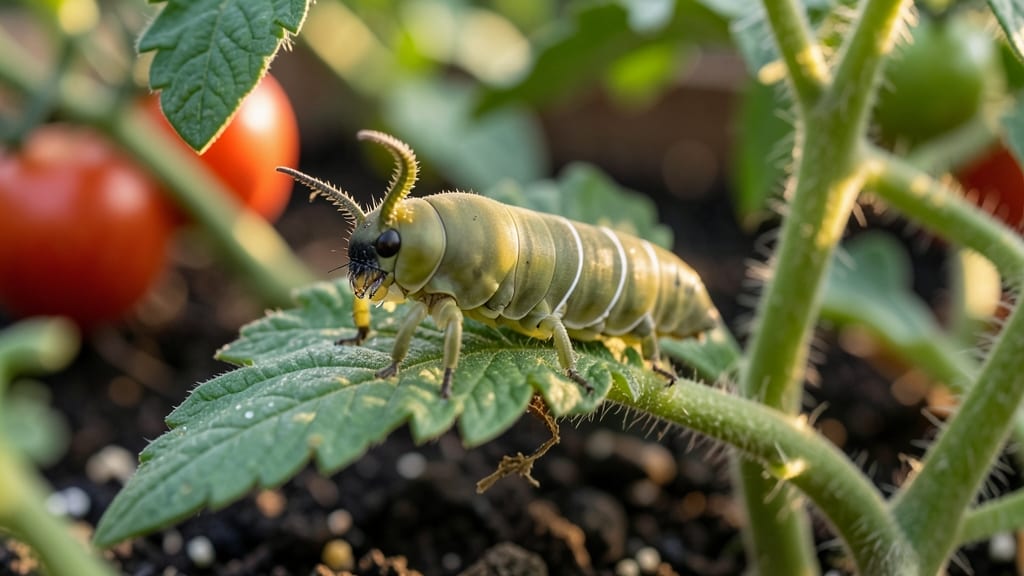
Seeing bugs on tomato plants images can turn your lush vines into a pest buffet—until you know what you're dealing with. 🌱 I've spent years tracking down these tiny invaders, and the key to saving your harvest starts with accurate identification. This guide gives you crystal-clear images of the most common culprits (hornworms, aphids, spider mites, and whiteflies) alongside simple descriptions of their damage so you can act fast.
The damage isn't always obvious at first—tiny holes in leaves, sticky residue, or yellowing foliage often appear before you spot the pests themselves.
I learned the hard way that waiting too long means losing plants, so I developed a quick checklist for early detection: check undersides of leaves, look for webbing, and inspect stems for eggs.
Most of these bugs thrive in warm, humid conditions, which is why late summer often brings the worst infestations.
Once you identify the pest, you'll have organic solutions tailored to each type—neem oil for aphids, handpicking for hornworms, and releasing beneficial insects for spider mites. The goal is to stop the cycle before it starts, and I've included the most effective methods that actually work in my own garden.
You'll see results within a week if you act quickly, and your tomato plants will bounce back stronger than ever.
This guide works for both backyard gardeners and container growers, no matter your experience level. The visuals make identification foolproof, and the solutions are simple enough for beginners but effective enough for seasoned growers. Let's get those tomatoes thriving again—without the unwanted guests.
Underlying Causes Of Tomato Plant Infestations
Tomato plants can become a buffet for pests, but understanding the why behind these unwelcome visitors is the first step to reclaiming your garden. 🌱🐛 While some bugs are simply drawn to the scent and nutrients of your plants, others are lured by environmental factors or even human activity.
Let’s break down the key reasons your tomato plants are attracting bugs—and how to address them.
Tomatoes are a magnet for insects because they’re packed with sugars, proteins, and water—everything pests crave for survival. Here’s the science:
- Sugar content: Ripe tomatoes contain natural sugars that attract fruit flies, aphids, and even hornworms. These sugars act like a neon sign for hungry insects.
- High moisture: Overwatered or poorly drained soil creates a damp environment, which is ideal for slugs, snails, and fungal gnats. 💦
- Protein-rich foliage: Young tomato leaves are a protein feast for aphids and spider mites, which thrive on the plant’s sap.
Actionable fix: Harvest ripe tomatoes promptly, avoid overwatering, and prune lower leaves to reduce moisture buildup near the soil.
Temperature fluctuations, humidity, and weather patterns play a huge role in pest outbreaks. Here’s how:
- Warm, humid conditions: Ideal for soft-bodied pests like aphids, whiteflies, and spider mites. These bugs multiply rapidly when temperatures stay between 70–85°F (21–29°C) and humidity is high.
- Drought stress: Underwatered plants produce less sap but become more susceptible to spider mites, which thrive in dry conditions. 🌞
- Sudden weather shifts: Heavy rains can wash away natural predators (like ladybugs) while creating perfect breeding grounds for fungal gnats and slugs.
Actionable fix: Use shade cloth in peak summer heat, mulch to retain moisture, and water deeply but infrequently to avoid stressing plants.
Healthy gardens have a built-in pest control system—predatory insects, birds, and beneficial microbes. When this balance is disrupted, pests take over. Here’s why:
- Pesticide overuse: Chemical sprays kill both harmful and helpful insects (like lacewings and parasitic wasps), leaving pests unchecked.
- Monoculture gardening: Planting only tomatoes (or similar crops) removes biodiversity, which pests exploit by focusing on one food source.
- Poor soil health: Depleted soil lacks beneficial microbes and fungi that suppress pest populations naturally.
Actionable fix: Introduce companion plants (like basil, marigolds, or nasturtiums), avoid broad-spectrum pesticides, and boost soil health with compost.
Sometimes, the problem starts with us! Here’s how everyday gardening habits can accidentally attract pests:
- Over-fertilizing with nitrogen: Lush, fast-growing foliage is a buffet for aphids and whiteflies, which love tender new growth.
- Ignoring plant debris: Leaving fallen leaves, stems, or old tomato cages creates hiding spots for eggs and overwintering pests like Colorado potato beetles.
- Bringing in contaminated tools or plants: Infested nursery plants or shared gardening tools can introduce pests like whiteflies or tomato hornworms.
Actionable fix: Clean tools with rubbing alcohol, remove plant debris promptly, and opt for balanced, organic fertilizers.
By addressing these root causes, you’ll not only reduce pest problems but also create a healthier, more resilient tomato garden. 🌟 The key is prevention—but if bugs still show up, at least you’ll know exactly how to tackle them!
Quick Fixes for Tomato Plant Pests
Got unwanted visitors munching on your tomato plants? 🚨 Don’t panic—most pests can be managed with simple, effective strategies. Below, we’ll match common culprits to practical fixes, from organic sprays to long-term prevention. Keep your tomatoes thriving without harsh chemicals!
---
Fix: Handpick or spray with soapy water (1 tsp mild dish soap + 1 quart water). How to do it: 1. 🔍 Scout daily – Check leaves for green caterpillars with white stripes. 2. 👨🍳 Drop them in soapy water – Or relocate them far from your garden (they’re harmless to pets!). 3. 🌿 Attract predators – Plant dill, fennel, or parsley to lure parasitic wasps (natural hornworm hunters).
Prevention tip: 💡 Plant basil nearby—its scent repels hornworms!
---
Fix: Blast them off with water or use neem oil spray (1 tbsp neem oil + 1 tsp soap + 1 quart water). How to do it: 1. 💦 Spray forcefully – Use a hose nozzle to dislodge clusters from stems/leaves. 2. 🍳 Mix neem spray – Apply in the early morning (avoids harming bees). 3. 🐞 Introduce ladybugs – Buy or attract them with marigolds or yarrow.
Prevention tip: 🌡️ Keep plants healthy—aphids target stressed tomatoes!
---
Fix: Trap them with yellow sticky cards or kaolin clay spray. How to do it: 1. 📏 Hang yellow cards – Place near plants to catch adults. 2. 🥘 Dust leaves with kaolin clay – Creates a barrier they hate (safe for edibles!). 3. 🔥 Prune heavily infested leaves – Reduce hiding spots.
Prevention tip: ✨ Use reflective mulch—whiteflies dislike shiny surfaces!
---
Fix: Spray with water (they hate humidity) or horticultural oil. How to do it: 1. 💦 Mist plants daily – Keeps mites from thriving in dry conditions. 2. 🍳 Apply oil spray – Mix 2 tbsp oil + 1 tsp soap + 1 quart water; spray undersides. 3. 🌿 Boost beneficial insects – Predatory mites love spider mite eggs!
Prevention tip: 🎯 Avoid over-fertilizing—weak plants attract mites.
--- Fix: Collar stems with cardboard or use beer traps. How to do it: 1. 📏 Wrap stems with toilet paper/cardboard – Creates a barrier they can’t climb.
2. 🍺 Dig a shallow trench – Fill with beer; worms drown overnight. 3. 🔥 Handpick at night – They’re slug-like and easy to spot under lights.
Prevention tip: 💡 Mulch with diatomaceous earth—dries them out!
--- Fix: Cover seedlings or use row covers. How to do it: 1. 🧢 Use floating row covers – Blocks adults while allowing pollination. 2. 🥘 Sprinkle diatomaceous earth – Kills larvae on contact. 3. 🌿 Plant trap crops – Radishes or mustard greens lure them away.
Prevention tip: 🌡️ Water deeply—beetles hate moist soil!
--- Fix: Vacuum them up or use kaolin clay. How to do it: 1. 🧹 Suction with a shop vac – Works fast for clusters. 2. 🍳 Dust plants with clay – Makes them less appealing. 3. 🌿 Plant garlic or chives – Repels them naturally.
Prevention tip: ⏰ Check plants at dusk—they hide in foliage then!
--- - 🌿 Rotate crops – Avoid planting tomatoes in the same spot yearly. - 🌡️ Keep soil moist – Healthy plants resist pests better! - 🔍 Inspect regularly – Catch problems before they spread.
With these fixes, your tomato plants will stay pest-free and productive—no chemicals needed! 🍅✨
Frequently asked questions
Why do I keep seeing tiny white bugs on my tomato leaves?
Those are likely whiteflies or aphids—both thrive in warm, humid conditions. Whiteflies flutter when disturbed, while aphids leave sticky residue (honeydew). Check leaf undersides first, as they hide there. A strong water spray or neem oil (1 tbsp + 1 tsp soap per quart) works best for both.
What do those green caterpillars with white stripes mean for my tomatoes?
Those are tomato hornworms, voracious eaters that can devour leaves overnight! Handpick them (drop in soapy water) or invite parasitic wasps by planting dill nearby. They’re harmless to pets but will strip plants bare if unchecked. Look for their black droppings too—another sign of infestation.
Can I still eat tomatoes if bugs have been on them?
Most pests (like hornworms or aphids) don’t transmit diseases, but wash tomatoes thoroughly before eating. Avoid produce with visible eggs, webbing, or severe damage. For heavy infestations, harvest early—ripe tomatoes are less attractive to pests than green ones. Always check stems and undersides before consuming.
How often should I check my tomato plants for bugs?
Inspect plants 2-3 times per week during growing season (spring-fall). Focus on leaf undersides, stems, and new growth—pests hide there first. Early detection means quicker fixes! Morning checks work best when pests are sluggish. Use a magnifying glass for tiny insects like spider mites.
Will beneficial insects actually help control tomato pests?
Ladybugs eat aphids, lacewings target whiteflies, and parasitic wasps hunt hornworms. Plant marigolds, yarrow, or basil to attract them naturally. Release purchased predators at dusk when they’re most active. Just avoid pesticides—they’ll kill both pests AND your helpers!