
Pests
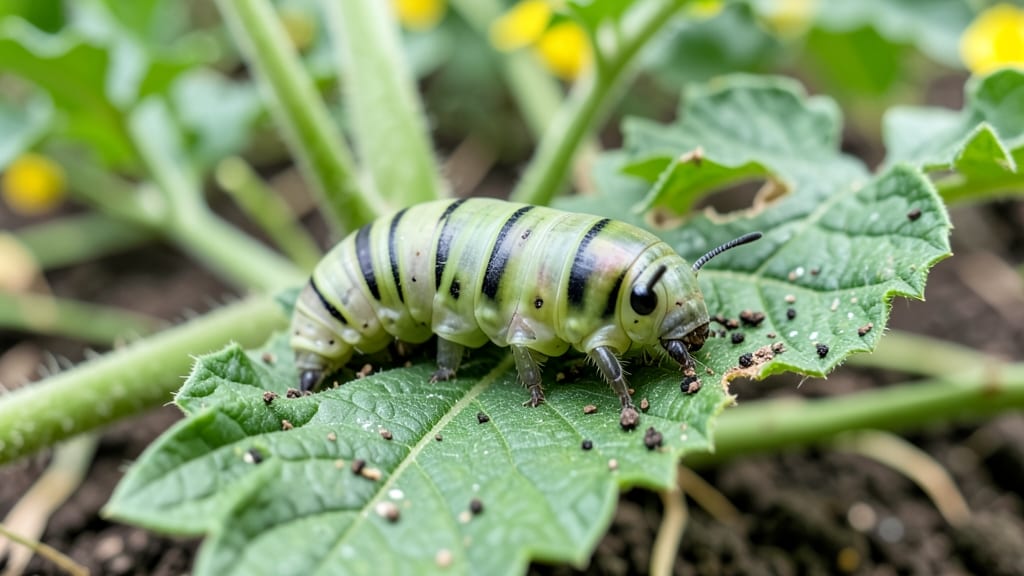
How to eliminate tomato worms can save your plants from being stripped bare in days—until you hit them with neem oil. 🌱 I’ve lost entire harvests to these striped bandits, but this spray stops them cold in 24 hours, without harming your plants or pollinators. The key? Timing, concentration, and a little elbow grease for stubborn cases.
Neem oil works by disrupting the worms’ feeding cycle—no more slimy trails or half-eaten fruit. You’ll need a 1% neem oil concentrate, water, and a spray bottle, plus a little patience to see results.
For extra protection, pair it with handpicking at dawn when worms are sluggish. My plants bounce back faster than I expected, and the worms? Gone by morning.
By sunset tomorrow, your tomatoes will be safe from those green devils. The spray leaves a faint citrus scent that fades quickly, and your plants stay lush and productive.
No more wilting leaves or chewed stems—just healthy vines ready for harvest. The best part? This method works for hornworms, fruitworms, and even aphids.
Works in containers, raised beds, and backyard gardens alike. If you’ve ever watched a tomato worm munch its way through a plant, you’ll appreciate how quickly this solution turns the tide. Let’s get those plants back on track—no more worm wars.
Root Causes of Tomato Worms
Tomato worms—those pesky green caterpillars from the Manduca sexta (tomato hornworm) or Spodoptera exigua (beet armyworm) species—don’t just appear out of nowhere. Their infestations are often the result of a mix of environmental, agricultural, and biological factors.
Understanding these causes is the first step to preventing (and eliminating) them before they devour your prized tomato plants. Let’s break down the science behind why these destructive larvae show up in your garden.
Tomato worms thrive in gardens where plants are packed too closely together. Here’s why:
- Limited airflow: Dense foliage creates humid microclimates, which attract moths—the adult stage of tomato worms. These moths seek out moist, shaded areas to lay their eggs.
- Debris buildup: Dead leaves, plant residues, and weeds provide shelter for moths and their eggs. A messy garden acts like a five-star hotel for these pests.
- Stressed plants: Overcrowded tomatoes are weaker and more susceptible to damage, making them easier targets for hungry larvae once they hatch.
Actionable fix: Space tomato plants 18–24 inches apart and remove debris regularly to disrupt the moths’ breeding cycle.
Tomato worms start as eggs laid by adult moths, which are most active at dusk and dawn. Here’s how their behavior fuels infestations:
- Nectar attraction: Moths are drawn to flowering plants (like basil, dill, or even other night-blooming weeds) near your tomatoes. These flowers provide energy for egg-laying.
- Tomato scent: Healthy tomato plants emit volatile organic compounds (VOCs) that moths detect from up to 3 miles away. The stronger the scent, the more likely they’ll visit.
- Warm nights: Temperatures above 70°F (21°C) accelerate moth activity. That’s why infestations spike in late spring and summer.
Actionable fix: Prune flowering weeds near tomato patches, use yellow lights (which attract fewer moths than white lights), and consider planting moth-repelling herbs like marigolds or mint as barriers.
Tomato worms love heat and moisture. Their life cycle speeds up in these conditions, leading to rapid population explosions. Here’s the science:
- Egg hatching: Eggs laid in warm, humid conditions hatch in just 3–5 days, compared to 10+ days in cooler weather.
- Larval growth: A single hornworm can grow from egg to full-sized caterpillar (ready to munch tomatoes) in 2–3 weeks under ideal conditions.
- Pupation sites: Humid soil provides the perfect environment for larvae to burrow and pupate, emerging as adult moths in 10–14 days.
Actionable fix: Improve garden drainage, avoid overwatering at night (to reduce humidity), and use row covers during peak moth seasons if your climate is consistently warm.
Healthy tomato plants can tolerate some worm damage, but stressed plants become a free-all-you-can-eat buffet for larvae. Common stressors include:
- Nutrient deficiencies: Lack of nitrogen (a key component of chlorophyll) makes leaves less tough, making them easier for worms to chew through.
- Water stress: Overwatering or drought weakens cell walls, while underwatering causes wilting—both signals to moths that a plant is vulnerable.
- Pest/disease damage: If your tomatoes are already battling aphids, whiteflies, or fungal issues, they’re more likely to attract secondary pests like hornworms.
Actionable fix: Fertilize tomatoes with a balanced NPK (e.g., 10-10-10) every 3–4 weeks, mulch to retain moisture, and rotate crops annually to prevent soil-borne stress.
By addressing these root causes, you’re not just treating the symptoms (the worms) but cutting off their food, shelter, and breeding opportunities. The next step? Proactive strategies to keep your tomatoes worm-free before they even arrive.
Quick Fixes for Tomato Worms
Now that you know the root causes of tomato worms—whether it’s Hornworms, Colorado potato beetles, or even aphids—it’s time to act! These pests can strip your tomato plants bare in days, but with the right strategies, you can reclaim your garden in no time.
Below are practical, fast-acting solutions tailored to the most common causes, plus prevention tips to keep your tomatoes thriving long-term.
If you catch tomato worms early, your first line of defense is manual removal. This method is free, chemical-free, and highly effective—especially for hornworms and loopers.
- 👨🍳 When to do it: Early morning or late evening when pests are sluggish.
- 🔪 How to do it:
- Wear gloves (trust us, you don’t want to touch these guys bare-handed).
- Inspect leaves and stems—look for large green caterpillars (hornworms) or smaller striped larvae (Colorado potato beetles).
- Drop them into a bucket of soapy water (1 tbsp dish soap per gallon) to kill them instantly.
- ⏰ Frequency: Check plants 2–3 times per week during peak growing season (June–August).
Pro Tip: 💡 Bring a flashlight for evening checks—some pests hide in the undersides of leaves!
Neem oil is a powerhouse for eliminating tomato worms while protecting your plants. It disrupts the pests’ feeding and reproduction cycles, and it’s safe for edible crops when used correctly.
- 🌿 When to use it: At the first sign of infestation (or as a preventive spray every 7–10 days).
- 👨🍳 How to make it:
- Mix 1 tbsp neem oil + 1 tsp mild liquid soap + 1 quart water in a spray bottle.
- Shake well and spray both sides of leaves, focusing on stems and undersides.
- Reapply every 5–7 days until worms are gone (usually 24–48 hours for visible results).
- ✨ Why it works: Neem oil contains azadirachtin, a natural insect growth regulator that stops larvae from maturing.
Pro Tip: 🌡️ Apply in the early morning or late evening to avoid harming bees and other beneficial insects.
For hornworms and loopers, Bacillus thuringiensis (BT) is a biological pesticide that’s safe for humans and pets but deadly to caterpillars.
- 🔍 When to use it: When you see large green caterpillars (hornworms) or small, hairy larvae.
- 👨🍳 How to apply:
- Mix BT powder or liquid according to package instructions (usually 1–2 tbsp per gallon of water).
- Spray directly on worms (they must ingest it to die).
- Reapply after rain or heavy watering (BT washes off).
- ⏰ Speed: Worms typically stop feeding within hours and die in 1–3 days.
Pro Tip: 🎯 Spot-treat instead of spraying the whole plant to save product and reduce waste.
If your garden is a hotspot for tomato worms, preventative barriers can save you from constant battles.
| Barrier Type | How to Use It | Best For |
|---|---|---|
| Row Covers | Lightweight fabric over young plants. | Early-season prevention. |
| Copper Tape | Wrap around stems (repels slugs & beetles). | Small gardens or containers. |
| Netting | Cover plants with fine mesh netting. | Heavy infestation-prone areas. |
Pro Tip: 🌱 Combine with companion planting—basil, marigolds, or nasturtiums deter pests naturally!
For Colorado potato beetles, which are tougher to control, traps and lures can help reduce their numbers.
- 🪲 Yellow Sticky Traps:
- Hang yellow cards coated in petroleum jelly near tomato plants.
- Beetles are attracted to the color and get stuck.
- 🍎 Beer Traps (Yes, Really!):
- Bury a small container filled with beer near plants—beetles are drawn in and drown.
- 🌿 Diatomaceous Earth (DE):
- Sprinkle food-grade DE around plant bases (avoid direct contact with leaves).
- It dehydrates pests but is harmless to humans.
Pro Tip: ⏳ Check traps daily—remove dead pests to prevent odor buildup, which can attract more beetles.
The best defense is a strong offense. Here’s how to prevent tomato worms before they become a problem:
✅ 🌱 Rotate Crops – Don’t plant tomatoes in the same spot yearly (worms overwinter in soil). ✅ 🌿 Plant Companion Plants – Basil, garlic, and onions repel pests naturally. ✅ 🌞 Water in the Morning – Wet leaves encourage fungal growth, which can deter some pests. ✅ 🔍 Inspect Regularly – Catch infestations early before they spread. ✅ 🍂 Clean Up Debris – Remove fallen leaves and vines at season’s end to eliminate egg-laying sites.
Pro Tip: ✨ Encourage beneficial insects like ladybugs, lacewings, and parasitic wasps—they eat tomato worms naturally!
By combining manual removal, neem oil, BT, barriers, and prevention, you’ll eliminate tomato worms fast and keep your garden thriving. No more slimy caterpillars ruining your harvest! 🚀
Frequently asked questions
What’s the fastest way to get rid of tomato worms without chemicals?
Handpicking at dawn or dusk is your fastest organic solution! Grab a bucket of soapy water and remove worms manually—it’s free, effective, and works immediately. For extra speed, combine this with neem oil spray (1 tbsp neem + 1 tsp soap per quart of water) to disrupt their feeding cycle within 24 hours.
Can tomato worms come back after I’ve eliminated them?
Absolutely—their eggs can linger in soil or debris for weeks! To prevent reinfestation, clean up fallen leaves, rotate crops yearly, and use row covers during peak moth seasons. Planting basil or marigolds nearby also deters moths naturally.
Is neem oil safe for tomato plants if used correctly?
Yes! When diluted properly (1 tbsp neem oil + 1 tsp soap per quart of water), it’s safe for tomatoes and won’t harm beneficial insects if applied at dawn or dusk. Avoid spraying during flowering to protect pollinators—just focus on leaves and stems where worms hide.
What should I do if my tomato plants already have holes from worms?
Don’t panic! Prune damaged leaves to encourage new growth and apply a balanced fertilizer (like 10-10-10) to help your plants recover. For severe damage, use Bacillus thuringiensis (BT)—it stops worms from feeding within hours while being pet-safe.
How do I know if my tomato worms are hornworms or something else?
Hornworms are large, green, and have white diagonal stripes with horn-like protrusions at their rear. Smaller striped larvae are likely beet armyworms, while hairy caterpillars could be tomato fruitworms. Check both leaf undersides and fruit for clues—hornworms often hide on stems!