
Pests and Diseases
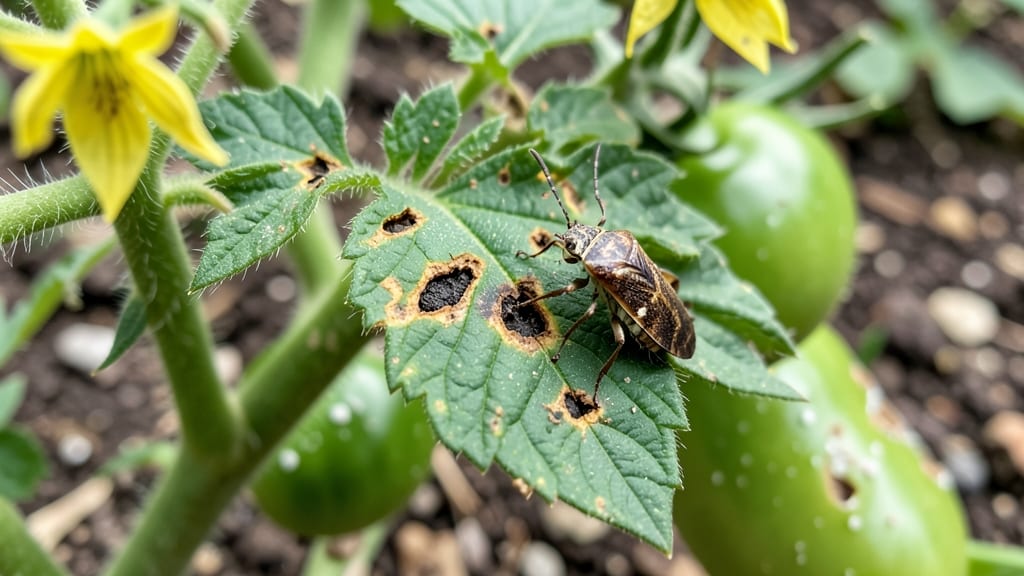
Stink bug tomato damage can turn your lush harvest into a sad, speckled mess in days. 🌱 I’ve seen healthy plants go from vibrant to ruined when these shield-shaped pests strike—tiny holes, brown spots, and that unmistakable stink when crushed. The good news?
You can still save your tomatoes with the right moves. These bugs thrive in warm weather and hide under leaves, making them sneaky. The damage starts small—tiny white specks on fruit—but escalates fast if ignored.
I learned the hard way that waiting to act means losing more tomatoes than you’d think. The key is catching them early, before the mold sets in. With the right traps, sprays, and preventive habits, you’ll protect your plants in under 30 minutes.
Think row covers, neem oil sprays, and even a simple dish soap mix. I’ve saved entire plants just by acting fast—no fancy tools needed. Works for backyard gardens, containers, and even community plots. Let’s get those tomatoes back on track!
Root Causes of Tomato Damage
Stink bugs—those shield-shaped, pungent invaders—don’t just visit your tomato plants; they feast on them. But why do they target tomatoes in the first place? The answer lies in a mix of biology, plant chemistry, and environmental triggers.
Understanding these root causes is the first step to protecting your hard-earned harvest. Let’s break it down.
Tomatoes are a stink bug’s dream because of their sugary, water-rich flesh and delicate skin. Stink bugs (especially the brown marmorated species, Halyomorpha halys) are attracted to:
- Volatile organic compounds (VOCs): Tomatoes emit ethylene and other gases that signal ripeness—stink bugs’ built-in GPS for "easy meals." 🧭
- Soft, juicy tissue: Unlike woody stems, tomato fruit offers minimal resistance when pierced by their straw-like mouthparts (called stylets).
- Secondary metabolites: Some tomato varieties produce compounds like α-tomatine, which should deter pests—but stink bugs have evolved to ignore or break down these defenses.
Actionable insight: Stink bugs prefer ripe or nearly ripe tomatoes, but they’ll also attack green fruit if other food sources are scarce. 🍅→🚨
Stink bugs don’t just appear out of nowhere—their feeding patterns align with their life stages:
- Nymphs (immature stink bugs): These tiny, wingless versions cause less visible damage but still pierce fruit, injecting saliva that triggers catface scars (sunken, white patches).
- Adults (summer/fall): Fully grown stink bugs cluster in fields during warm months, then migrate to gardens as temperatures drop. This is when tomato damage explodes.
- Overwintering adults (spring): After hibernating in leaf litter or buildings, they re-emerge hungry and target early-season tomatoes.
Critical timing: Damage spikes in late summer to early fall when stink bugs seek food before winter. 🍂🐛
Stink bugs aren’t picky—they’re opportunistic. Several factors turn your tomato patch into their favorite hangout:
| Factor | How It Attracts Stink Bugs | What You Can Do |
|---|---|---|
| Lack of natural predators | Birds, spiders, and parasitic wasps usually keep stink bug populations in check. But if your garden lacks biodiversity, stink bugs thrive. 🕷️➡️🐞 | Plant dill, fennel, or alyssum to attract predator insects. |
| Monoculture gardens | Large blocks of tomatoes = easy buffet. Stink bugs avoid scattered plants because they’re harder to find. 🚫🌿🌿🌿 | Interplant tomatoes with basil, marigolds, or onions to disrupt their "find food" radar. |
| Drought stress | Water-stressed tomatoes produce more sugars in their fruit—making them even tastier to stink bugs. 💦➡️🍬 | Keep soil consistently moist (1–2 inches deep) to reduce sugar spikes. |
| Nearby wild areas | Weedy fields, wooded edges, or abandoned lots act as stink bug nurseries. They’ll migrate to your garden when food runs out nearby. 🌳🏡 | Install yellow sticky traps near garden edges to monitor (and reduce) populations. |
Many gardeners reach for neonicotinoids or pyrethroids—only to see stink bugs return resistant and hungry. Here’s why:
- Stink bugs have thick armor: Their shield-like exoskeleton blocks many sprays from penetrating. 🛡️💥
- They hide in crevices: During the day, they camouflage under leaves or mulch, avoiding direct contact with pesticides. 🍃🕳️
- Fast reproduction: A single female lays 50–100 eggs in a season. Chemical kills might not keep up. 🐣💨
What does work? Physical barriers (row covers), kaolin clay, or hand-picking (drop them in soapy water) are far more effective than sprays. 🧤🚫🐞
Quick Fixes for Stink Bug Tomato Damage
Stink bugs may be tiny, but their damage to your tomato plants can feel like a full-blown siege. 🚨 The good news? With the right strategies, you can minimize harm, protect your plants, and even turn things around before your harvest suffers.
Below, we’ve mapped out practical, actionable solutions based on the most common causes of stink bug damage—from early intervention to long-term prevention.
If you’ve already spotted chewed leaves, scarred fruit, or wilted vines, act fast to limit further destruction.
🍳 Handpick & Trap Them (Non-Toxic First Strike)
Stink bugs are slow-moving when they’re feeding—perfect for manual removal! - Morning or evening (when they’re sluggish), shake plants over a bucket of soapy water (1 tbsp dish soap + water).
The bugs drown instantly. - Use a vacuum (with a fine mesh bag) to suck them up from leaves and fruit. Empty the bag far from your garden. - Sticky traps (yellow or blue) can lure them away—place them near infested plants.
✨ Pro Tip: Check under leaves and in fruit clusters—stink bugs love hiding in tight spaces!
👨🍳 Diatomaceous Earth (DE) Barrier
This natural powder kills bugs by dehydrating them—safe for plants but deadly to pests.
- Sprinkle a thin layer around the base of plants and on leaf surfaces (avoid flowering/fruiting areas).
- Reapply after rain—it loses effectiveness when wet.
- Bonus: Works on other soft-bodied pests like aphids and mites.
⚠️ Caution: Wear a mask when applying to avoid inhaling the fine dust.
Prevention is your best weapon. Strengthen your tomatoes’ defenses and make your garden less inviting to stink bugs.
🔪 Physical Barriers (Keep Them Out)
Stink bugs can’t fly well but will crawl—block their access!
- Row covers (floating fabric) over young plants prevents adults from laying eggs.
- Fine mesh netting (1mm holes or less) over tomato cages traps bugs trying to climb in.
- Collapsible hoop houses create a bug-proof greenhouse for high-value crops.
💡 Pro Tip: Remove old plant debris in fall—stink bugs overwinter in dead leaves and stems!
🌡️ Companion Planting (Confuse & Repel)
Some plants mask tomato scents or attract beneficial predators that eat stink bugs.
| Plant It Near Tomatoes | Why It Works |
|---|---|
| Basil | Masks tomato smell; stink bugs avoid it. |
| Marigolds | Repels pests with strong scent; attracts ladybugs. |
| Nasturtiums | Traps aphids (a stink bug food source). |
| Garlic & Onions | Natural stink bug deterrent. |
🎯 Bonus: Interplant with herbs—they improve flavor and pest control!
Stink bugs have two main attack phases—egg stage and adult feeding. Target them at the right time.
🐛 Egg & Nymph Control (Early Season)
- Scrape eggs off leaves (they look like tiny white blisters) with a soft brush or fingernail into soapy water.
- Neem oil spray (1 tsp neem + 1 tsp mild soap + 1 quart water) smothers eggs and deters adults.
Spray every 5–7 days in early season. - Beneficial wasps (Trissolcus spp.) parasitize stink bug eggs—introduce them if available in your region.
🍅 Adult Feeding (Mid to Late Season)
- Kaolin clay (a natural mineral spray) creates a protective film that bugs dislike.
Reapply after rain. - Pyrethrin spray (derived from chrysanthemums) kills on contact—use only at dusk (safe for bees if applied correctly). - Encourage birds & lizards—they love eating stink bugs! Add a birdbath or rock piles to attract them.
- ❌ Don’t overuse chemical pesticides—stink bugs develop resistance, and you’ll kill beneficial insects too. - ❌ Skip regular checks—even a few bugs can ruin a fruit in days. - ❌ Ignore neighboring plants—stink bugs travel from weeds and wild plants.
Keep your garden clean and contained.
To keep stink bugs at bay long-term: ✅ Rotate crops—don’t plant tomatoes in the same spot yearly. ✅ Mulch heavily—stink bugs dislike thick mulch layers. ✅ Plant trap crops (like sunflowers or beans) far from tomatoes to lure bugs away. ✅ Monitor weather—stink bugs thrive in hot, dry conditions; water deeply in droughts to stress them out.
Your tomatoes don’t have to be a stink bug buffet! With early action + smart prevention, you can save your harvest—and your sanity. 🍅💪 Try one or two of these methods this season, and watch your plants bounce back stronger!
Frequently asked questions
How can I tell if my tomato damage is from stink bugs vs. other pests?
Look for tiny white specks or sunken scars on fruit (called "catface") and chewed leaf edges. Unlike aphids or hornworms, stink bugs leave no frass (poop)—just clean holes. Crush one to check: stink bugs release a foul odor (hence the name) while other pests don’t.
Will neem oil really stop stink bugs from damaging my tomatoes?
Neem oil deters adults and smothers eggs, but it won’t kill established bugs. Mix 1 tsp neem + 1 tsp mild soap + 1 quart water and spray every 5-7 days during early season. For active infestations, combine with hand-picking or kaolin clay for better results.
Can I still eat tomatoes with stink bug damage?
Yes, but remove all punctured areas—they’re entry points for mold. Stink bug saliva can cause bitter flavors, so wash thoroughly. For heavily scarred fruit, compost them to avoid spreading potential rot. Healthy-looking tomatoes with just a few small specks are safe to eat.
Why do stink bugs seem to appear suddenly in my garden?
They’re migratory pests that cluster in fields before moving to gardens as food sources dwindle. Adults emerge in late summer after overwintering, while nymphs hatch from eggs laid in spring/summer. Check leaf undersides and mulch—these are their hiding spots.
What’s the fastest way to save a tomato plant already heavily damaged?
Prune all damaged leaves/fruit immediately to redirect the plant’s energy. Apply kaolin clay spray as a protective barrier, then water deeply (1-2 inches) to stress the bugs out. For severe cases, wrap the plant in fine mesh netting to block new arrivals.