
Pests and Diseases
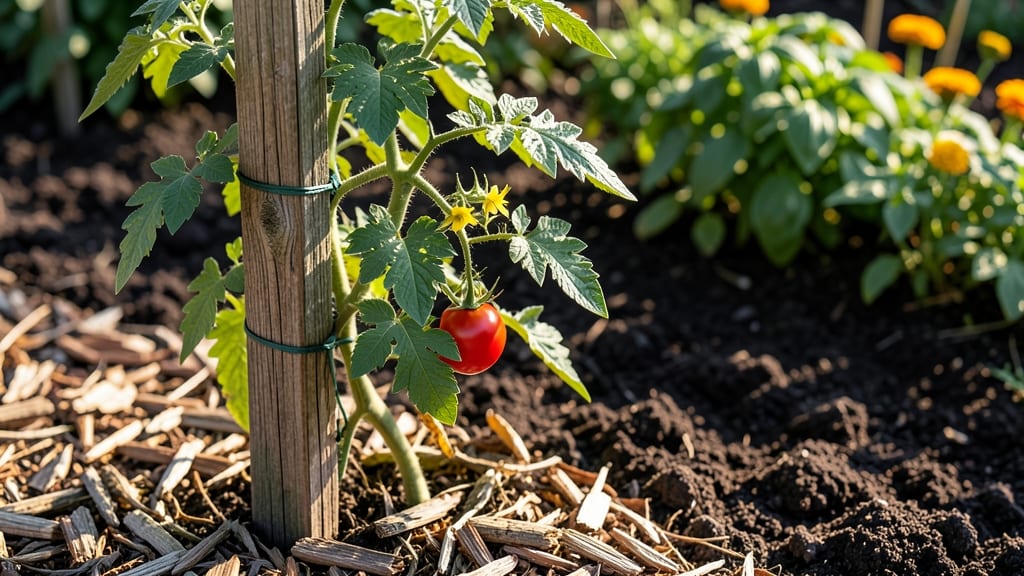
Tomato gardening tips start with one simple truth: the best harvests begin before you even plant a seed. 🌱 I’ve learned the hard way that soil, sunlight, and timing matter more than most gardeners realize—especially when you’re chasing those first ripe, juicy tomatoes.
The secret isn’t just throwing seeds in the dirt; it’s creating the perfect conditions for every stage, from tiny sprouts to heavy fruit. Most beginners overlook the soil prep—amending with compost and a balanced fertilizer before planting sets the foundation for strong roots and disease resistance.
And let’s talk watering: too much or too little at the wrong time can cause blossom drop or cracked fruit. I’ll show you the exact schedule that keeps my plants thriving without guesswork.
By the end, you’ll know how to prune for airflow, spot early signs of trouble, and even coax extra blooms when your plants play hard to get. Whether you’re dealing with a single container or a full raised bed, these tricks work—no green thumb required.
Here’s where the real magic happens: troubleshooting common pitfalls like blossom end rot or pests before they ruin your harvest. Let’s get those tomatoes growing right!
📚 In This Guide
- What you need
- Instructions
- Tips and common mistakes
- Wrapping up and next steps
What you need
- ● Tomato Seeds or Seedlings: Choose disease-resistant varieties (e.g., Celebrity, Roma, or Cherry). Start with 3–5 plants for a small garden or 10+ plants for a family-sized harvest.
- ● High-Quality Potting Soil or Garden Soil: Use a well-draining mix with compost (aim for 50% soil, 30% compost, 20% perlite/sand). Avoid heavy clay soil.
- ● Fertilizer: Balanced fertilizer (10-10-10) for planting.
- ● High-phosphorus fertilizer (5-10-10) when flowers appear.
- ● Organic options: Compost tea, worm castings, or bone meal.
- ● Mulch: Straw or shredded leaves (2–3 inches thick) to retain moisture and suppress weeds.
- ● Garden Trowels or Transplant Spades – For digging holes (6–8 inches deep for seedlings).
- ● Pruners or Sharp Scissors – For trimming suckers and dead leaves.
- ● Watering Can or Hose with Adjustable Nozzle – Tomatoes need 1–2 inches of water weekly (deep watering at the base).
- ● Garden Gloves – Protect your hands from thorns and soil.
- ○ Stakes or Cages (Optional but Helpful): Stakes: 5–6 feet tall for indeterminate varieties.
- ● Cages: 5 feet tall, made of wire or plastic.
- ● Spray Bottle or Garden Sprayer – For neem oil or copper fungicide (if pests/diseases strike).
- ● Sunlight: 6–8 hours of full sun daily. Tomatoes are sun-worshippers!
- ● Warmth: Soil temp should be 60°F+ before planting seedlings.
- ● Space: 18–24 inches apart for determinate varieties; 24–36 inches for indeterminate.
- ● pH Level: Aim for 6.0–6.8 (test your soil with a kit).
Tomato gardening tips: how to maximize your plants' potential
Here's how I ensure my tomato plants thrive from first bloom to ripe fruit.
🌱 Step 1: Support Plants Early for Strong Growth
Install sturdy cages or stakes right after transplanting—not when the plant is already leaning. I use 6-foot tall cages for indeterminate varieties and 4-foot stakes for determinate ones. Tie the main stem loosely with soft plant ties every 12 inches to prevent wind damage.
This prevents the plant from flopping over later when fruit gets heavy. You'll see the difference immediately: plants with early support grow straighter and produce more fruit at the lower branches where sunlight reaches easily.
☀️ Step 2: Optimize Sunlight and Temperature for Pollination
Tomatoes need 6-8 hours of direct sun daily, but too much midday heat can cause blossom drop. If your area gets above 90°F, I shade plants with 30% shade cloth during peak afternoon hours. Morning sun is ideal for pollinators like bees to visit.
For indoor growers, I place a small fan nearby to mimic wind—this helps pollen transfer. You'll know pollination is working when flowers start turning yellow and tiny fruit sets form within 3-5 days.
💧 Step 3: Water Deeply and Consistently
Water at the base early in the morning for 15-20 minutes to soak 6-8 inches deep. Wet leaves encourage disease, so avoid overhead watering. I check moisture by sticking my finger 2 inches into soil—if it feels dry, it's time to water.
Inconsistent watering causes blossom end rot (black spots on fruit). Mulch with 2-3 inches of straw to retain moisture and prevent soil temperature swings. You'll see stronger stems and fewer cracked tomatoes when moisture stays even.
✂️ Step 4: Prune Strategically for Airflow and Fruit Production
Remove suckers (shoots between main stem and branches) weekly to direct energy to fruit. For indeterminate varieties, I leave 2-3 main stems and prune lower leaves that touch soil. This improves airflow and reduces disease.
Never prune more than 1/3 of the plant at once. You'll notice fruit sets larger and ripens faster when the plant focuses its energy upward. Stop pruning 4-6 weeks before first frost to let remaining fruit mature.
🌿 Step 5: Fertilize in Stages for Continuous Growth
Start with a balanced 10-10-10 fertilizer at planting, then switch to low-nitrogen, high-phosphorus (5-10-10) when flowers appear. I mix fertilizer with water and apply every 2-3 weeks during fruiting. Avoid high-nitrogen after flowering—it promotes leafy growth over fruit.
Yellowing leaves? Too much nitrogen. Small fruit with poor color? Needs more phosphorus. You'll see the difference when your tomatoes develop rich color and sweet flavor—this is your reward for feeding them right at each growth stage.
Tips & tricks for perfect tomato growth
Real talk: Growing tomatoes isn't just about planting seeds. It's the little details that turn good plants into spectacular harvests.
Support Matters: When you install those 6-foot cages or 4-foot stakes right after transplanting, don't just slap them in—secure them at a 45-degree angle for the first week. This helps the plant find its balance faster. And here's what nobody tells you: use soft plant ties that won't cut into the stem as it grows. I've ruined plants with ties that got too tight over time.
Heat Hack for Pollination: That 90°F threshold isn't just a number—it's when blossom drop starts. I've seen entire batches of flowers fall off when temps climb above this. If you're in a hot climate, install shade cloth before you see flowers forming. And for indoor growers, that fan trick works wonders—just keep it on low so you don't dry out the leaves.
Watering Wisdom: The 2-inch soil check isn't just about dryness—it's about consistency. I've learned this the hard way after ruining three batches with inconsistent watering. The key is to water the same time every morning, always at the base, and never let the soil dry out completely between waterings. That 2-3 inches of straw mulch isn't just decoration—it's your secret weapon against temperature swings that cause blossom end rot.
Pruning Precision: When you're removing those suckers weekly, don't just yank them—use clean pruners and make cuts just above a leaf node. And remember: those 2-3 main stems for indeterminate varieties? That's not a suggestion, it's the difference between a bushy plant and one that produces like a champion. I stopped pruning more than 1/3 at once after seeing my plants get stressed and drop fruit.
Pro Tips for Tomato Gardening Tips
- Real talk: Growing tomatoes isn't just about planting seeds. It's the little details that turn good plants into spect...
- Support Matters: When you install those 6-foot cages or 4-foot stakes right after transplanting, don't just slap them...
- Heat Hack for Pollination: That 90°F threshold isn't just a number—it's when blossom drop starts. I've seen entire ba...
Frequently asked questions
Got questions about growing tomatoes? You’re not alone! Here are answers to the most common tomato gardening tips questions to help you troubleshoot, time your harvest, and keep your plants thriving.
When is the best time to plant tomatoes?
Tomatoes thrive in warm soil—plant them after the last frost date in your area (usually 2–3 weeks post-frost). For cooler climates, start seeds indoors 6–8 weeks before transplanting. If you’re in a short-season zone, opt for determinate varieties (bush types) for faster harvests.
How do I prevent pests like hornworms or aphids?
Handpick hornworms (they’re easy to spot!) and crush them. For aphids, blast them off with a strong water spray or introduce ladybugs. Use neem oil or row covers as a preventive barrier. Healthy plants with proper spacing resist pests better—so rotate crops yearly and avoid overwatering.
Why are my tomato blossoms falling off?
This is called blossom drop, often caused by temperature swings (below 55°F or above 90°F), overwatering, or nutrient deficiencies. Ensure consistent moisture (1–1.5 inches per week) and fertilize with low-nitrogen, high-phosphorus feed (like 5-10-10) during flowering. Prune suckers to improve airflow.
Can I grow tomatoes in containers? What’s the best setup?
Use a 5-gallon+ container with drainage holes, filled with well-draining potting mix. Choose determinate varieties (like ‘Patio’ or ‘Tiny Tim’) for smaller spaces. Place containers in full sun (6+ hours/day) and water frequently—containers dry out faster than ground soil.
What should I do if my tomatoes crack?
Cracking happens from uneven watering (too much after drought) or rapid growth. Keep soil consistently moist (mulch helps!) and avoid heavy watering late in the day. For radial cracks (star-shaped), blame calcium deficiency—add crushed eggshells or calcium nitrate to the soil.
Are there low-maintenance tomato varieties for beginners?
Try these easy-care varieties:
- ‘Celebrity’ – Disease-resistant, reliable producer.
- ‘Sungold’ – Sweet, cherry tomatoes; great for containers.
- ‘Roma’ – Determinate, perfect for sauces.
- ‘Early Girl’ – Fast-growing, cold-tolerant.
Wrapping up and next steps
Growing tomatoes from blossom to ripe fruit is a rewarding journey that combines patience, care, and a few proven tricks! Whether you’re battling pests, diseases, or just aiming for that perfect vine, remember: healthy soil, smart monitoring, and timely action are your best allies. 🌱✨
Now that you’re armed with these tomato gardening tips, it’s time to roll up your sleeves and get growing! Start by applying one tip this week—whether it’s pruning, testing your soil, or setting up those tomato cages—and watch your garden thrive. Happy gardening! 🍅💚